What Are Printed Stand Up Pouches?
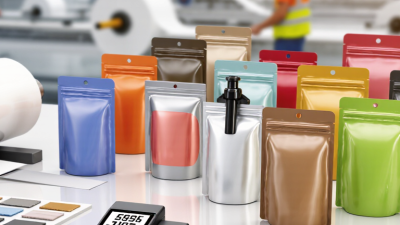
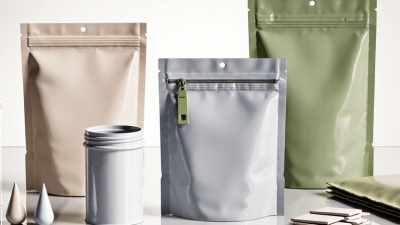
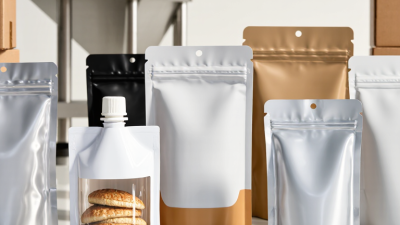
Printed stand up pouches are flexible packages designed to stand upright on a shelf. Their bottom gusset opens when filled, creating a stable base. This shape can make products easier to display and store. It also gives brands a useful surface for printed designs, product details, and visual cues.
The pouch material is not always the same. Many designs use several bonded layers to help manage moisture, oxygen, light, or handling, but protection depends on the specific structure. A pouch for dry snacks may need different features from one for coffee or personal care products. Zippers, tear notches, and spouts are common options, though each adds a trade-off in cost, convenience, or packaging performance. Small details matter.
Printing methods and finishes can affect how colors, text, and images appear on the finished pack. Clear specifications and proof checks help reduce avoidable surprises, especially when fine text or brand colors are important. Still, an attractive pouch is not automatically the right pouch. Product sensitivity, filling equipment, transport, and storage conditions all deserve attention. That part is easy to overlook. In this guide, we’ll explain what printed stand up pouches are, how their components work, and what to consider when comparing designs. A careful choice starts with the product, not just the artwork.
What Printed Stand-Up Pouches Are
What Are Printed Stand Up Pouches?
What Printed Stand-Up Pouches Are
Printed stand-up pouches are flexible bags designed with a bottom gusset that opens when the pouch is filled. That gusset helps the package stand upright on a shelf. The pouch walls are usually made from joined layers of packaging film, selected to suit the product’s needs for protection, sealing, and appearance.
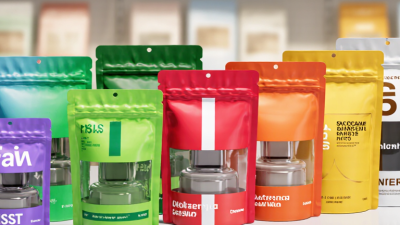
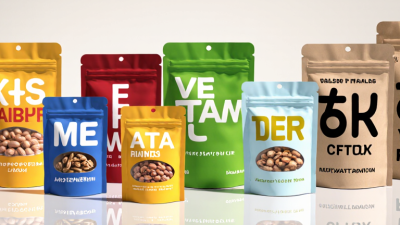
Printing adds text, graphics, and practical details to the pouch surface. In many processes, a design is printed on film before the material is formed and sealed. The finished pouch may display product instructions, ingredients, or a clear window, depending on its construction. A small pouch of roasted nuts, for example, might use a matte finish, a resealable zipper, and a contrasting label area.
Details matter.
The right structure depends on what the pouch will hold and how it will be stored. A dry snack and a moist product may need different film layers and seals. Print color can also shift slightly between a screen proof and the finished package, so checking a physical sample is useful.
Not always perfect.
Strong artwork cannot compensate for a weak seal, and a pouch that stands well empty may look different once filled.
How Their Structure Enables Them to Stand
What Are Printed Stand Up Pouches?
How Their Structure Enables Them to Stand
Printed stand-up pouches are flexible packs with graphics applied to their outer layers. Their upright shape comes mainly from a folded bottom gusset, not a rigid wall. When the pouch is filled, the gusset opens into a broad base. The front and back panels spread apart, creating a footprint that can rest on a shelf. Heat-sealed seams join the panels and help contain the product. That matters.
The base works like a shallow, flexible platform. Contents press outward and downward, helping the pouch balance during display and handling. A fuller pouch often stands more easily than an almost empty one, though results depend on product weight and how evenly it settles. The laminate layers add strength and can help protect contents from moisture, oxygen, or light, depending on the materials used. Printing may sit beneath a protective layer, helping graphics withstand ordinary handling. Not magic. A pouch can still lean if its gusset is poorly formed, its seals are uneven, or its contents shift.
What Are Printed Stand Up Pouches? — How Their Structure Enables Them to Stand
In brief: A printed stand-up pouch is a flexible package with printed panels and a bottom gusset. The gusset unfolds when the pouch is filled, forming a base that allows the package to stand upright. Exact materials and performance vary by design.
Materials and Printing Methods Used
What Are Printed Stand Up Pouches?
Materials and Printing Methods Used
Printed stand-up pouches are made from flexible layers that help the package hold its shape on a shelf. The bottom gusset opens under the product’s weight, while heat-sealed edges keep the contents enclosed. Materials are chosen according to the product’s needs, such as moisture protection, light resistance, or a clear product window. Small details matter.
A common structure pairs an outer polyester layer with an inner polyethylene layer. Polyester provides a smooth surface for printing, while polyethylene can form the seal. Some pouches include aluminum foil or a metallized film for stronger light and oxygen barriers. These layers can affect recyclability and overall thickness, so a structure should match the intended use rather than simply feel substantial. There is no perfect option for every product.
Flexographic printing is widely used for larger runs, with flexible plates transferring ink onto the film. Gravure printing uses engraved cylinders and can produce fine, consistent detail, though setup can be costly. Digital printing suits shorter runs and changing designs, but its finishes and costs may differ. Before production, converters commonly check color, ink adhesion, scuff resistance, and seal strength. A vivid sample can still disappoint if ink rubs off near the pouch folds. Testing on the finished laminate is worth the extra time.
What Are Printed Stand-Up Pouches?
Common pouch structures use multiple layers to balance printability, protection, and sealing. This chart compares their typical relative barrier performance; ratings are qualitative, not standardized test results.
Materials and printing: PET provides a smooth surface for graphics, while PE is commonly used as the heat-seal layer. Aluminum foil and metallized PET can improve light, oxygen, and moisture barriers. Flexographic and gravure printing are widely used for larger production runs; digital printing can suit shorter runs and variable designs.
How Printed Stand-Up Pouches Are Manufactured
What Are Printed Stand Up Pouches?
How Printed Stand-Up Pouches Are Manufactured
Manufacturing begins with choosing flexible films to suit the product, shelf life, and filling conditions. A pouch may combine printable film with layers that provide strength or limit moisture and oxygen. The exact structure matters. There is no universal recipe. Before production, the artwork is checked for size, alignment, and color, then printed onto film, often by flexographic or gravure methods. Some jobs use surface printing; others place the ink between laminated layers to protect it from scuffing. Small color shifts can still occur, so approved print samples are useful.
After printing, the film may be bonded to another layer with adhesive and left to cure. This waiting time is easy to underestimate. The cured roll is slit into narrower widths and fed into pouch-forming equipment. The machine folds the film, creates the bottom gusset, and seals the edges using controlled heat and pressure. Zippers or tear notches can be added when the design calls for them. Seals are then checked for consistency, and samples may be tested for leaks, dimensions, and print quality. Even a clean-looking pouch can have a weak seal, so inspection needs more than a quick glance.
Common Uses and Key Packaging Features
What Are Printed Stand Up Pouches?
Common Uses and Key Packaging Features
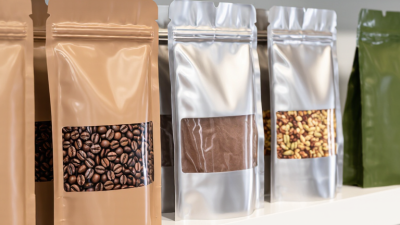
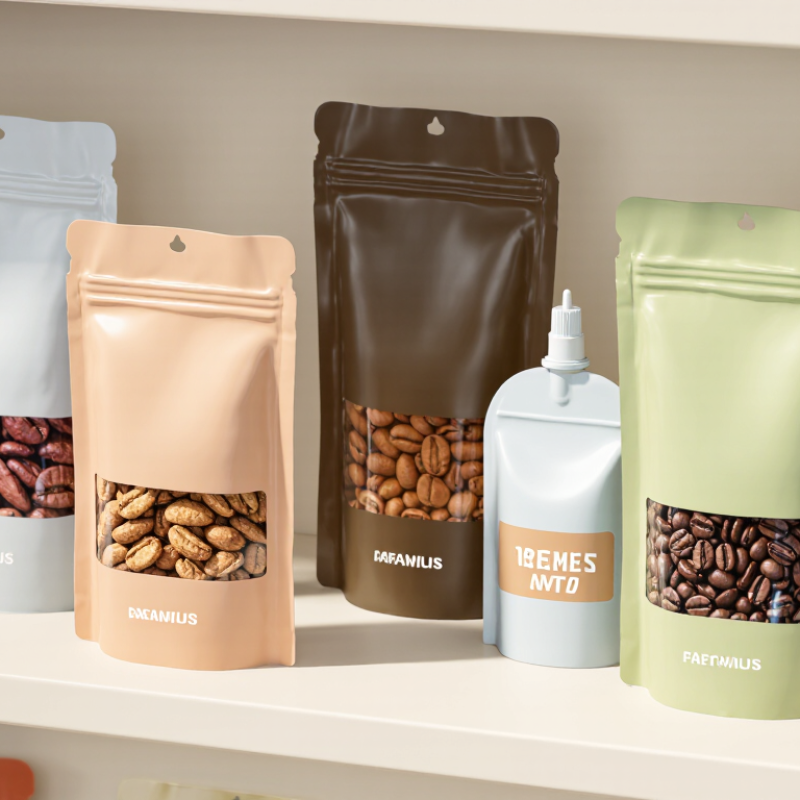
Printed stand up pouches package products that benefit from easy shelf display and convenient handling. Common examples include coffee, dried fruit, snack mixes, spices, and powdered drinks. A filled pouch stands on its gusseted base, making the front panel visible on a retail shelf. It also uses less rigid space than many jars or boxes, though the best format depends on the product and filling process.
Features can be chosen around how people use the contents. A resealable zipper helps limit spills between servings, while a tear notch makes the first opening easier. Heat-sealed top edges provide a closed package before use. Printed panels can show product details, storage directions, and preparation steps. Small details matter. Text should remain readable, especially on narrow side panels.
Material structure deserves careful attention. Dry snacks may need different moisture protection than coffee, which can lose aroma when exposed to air. Some products also need protection from light or oxygen. A clear window may let shoppers see the contents, but it can reduce protection in some pouch designs. There is no universal option. Matching the barrier, closure, pouch size, and printing to the product helps avoid packaging that looks appealing but performs poorly in everyday use.