Choosing a supplier for custom printed stand up pouches involves more than comparing prices. The pouch must protect the product, display sharp graphics, and survive filling, transport, and storage. A weak seal can ruin an otherwise excellent package.
Packaging specialist Anne Marie Mohan has described packaging as “a silent salesperson on the shelf.” That idea matters here. A pouch communicates freshness through color, structure, zipper quality, and print clarity before customers read the label. However, visual appeal cannot replace technical performance.
This guide examines ten suppliers using practical criteria. These include printing capability, barrier-film options, pouch sizes, minimum order quantities, sampling, lead times, and quality-control procedures. It also considers documentation for food-contact applications and transparent communication about recyclability. Claims should be checked carefully. “Eco-friendly” can mean very different things.
Some suppliers excel at premium graphics. Others suit emerging brands with smaller orders. A few may offer faster production but fewer material choices. No ranking is perfect. Buyer priorities change by product, market, and budget.
Look closely at the details. Ask for a physical sample, not only a digital proof. Inspect the zipper, bottom gusset, odor, seal strength, and color consistency. Request realistic delivery estimates. Confirm whether artwork adjustments cost extra.
This review is designed to support informed supplier conversations. It is not a substitute for product testing or regulatory verification. Even experienced buyers can miss a specification. That is worth remembering.
The strongest supplier is not always the cheapest. It is the one that consistently matches design, protection, compliance, and production needs.
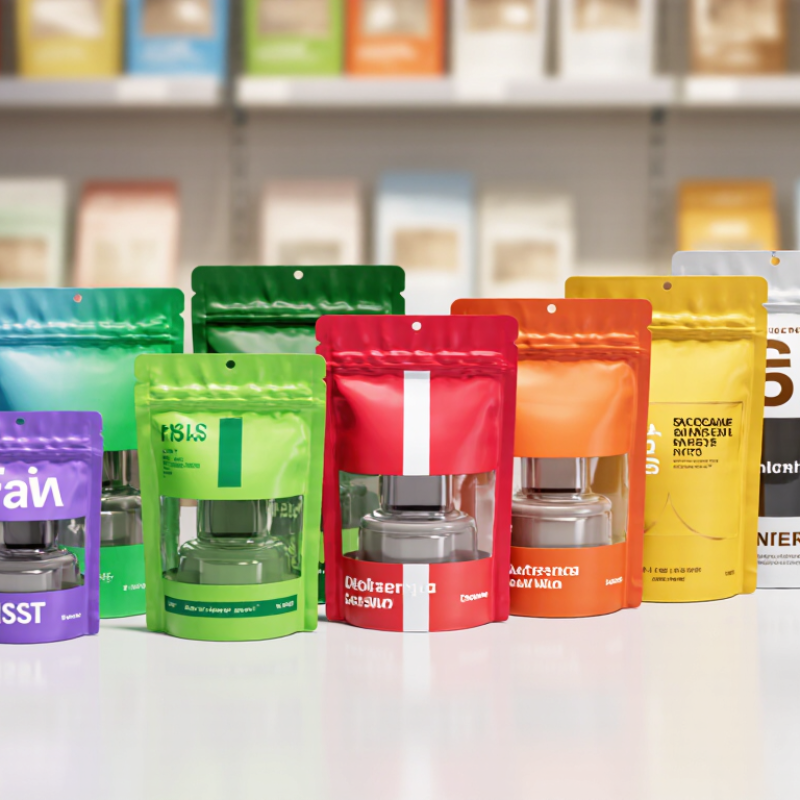
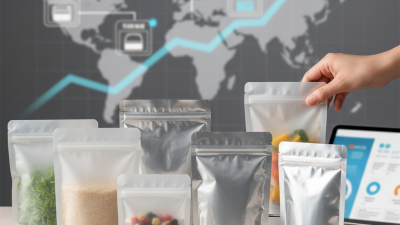
Custom printed stand-up pouches are flexible bags designed to stand upright on shelves or counters. Their bottom gusset expands when filled, creating a stable base. They stand. This structure uses less material than many rigid containers while still offering useful space for graphics, product details, and handling instructions.
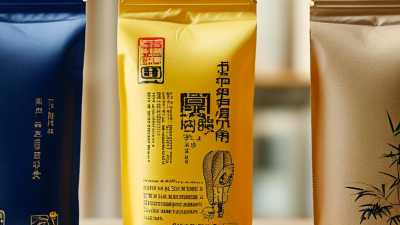
Custom printing means the pouch surface is produced with selected colors, artwork, finishes, and information. Matte film feels soft and reduces glare. Glossy film makes colors appear brighter.
A clear window can show the product, but it may weaken privacy or light protection. Choosing the right laminate matters because dry snacks, powders, and moisture-sensitive products need different barrier performance. Heat-sealed edges also require careful testing.
From practical packaging checks, I would examine seal strength, zipper alignment, filling speed, and shelf stability before approving a large order. A pouch can look excellent on a screen and still wrinkle after filling.
The first sample may not be perfect. That is normal, but ignoring it is costly. Ask suppliers for material specifications, print proofs, migration documentation, and test results suited to the intended use.
Confirm that inks and packaging components meet the destination market’s applicable requirements. Small details matter: rounded corners feel safer, tear notches improve opening, and an oversized zipper can affect storage space.
Top 10 Custom Printed Stand Up Pouches Suppliers?
How to Evaluate Stand-Up Pouch Suppliers
Supplier evaluation should begin with measurable production evidence. The Flexible Packaging Association reported that U.S. flexible packaging sales reached approximately $42.9 billion in 2023. This scale increases supplier choice, but also creates inconsistent quality. Request recent test reports for seal strength, puncture resistance, oxygen transmission, and water vapor transmission. Ask whether testing covers the exact film structure and pouch size you plan to purchase. A generic certificate is not enough.
Production capacity matters as much as printing quality. Compare minimum order quantities, lead times, tooling fees, and documented defect rates. Smithers’ 2024 flexible packaging analysis expects steady global growth through 2028, which may pressure factory schedules. Confirm monthly output during peak seasons. Request a production sample, not only a digital mock-up. Inspect zipper alignment, bottom gussets, rounded corners, and color consistency under normal lighting.
Food-contact applications require stronger verification. Ask for migration documentation, material declarations, ink information, and traceability records from resin to finished pouch. Independent laboratory testing adds credibility. It also exposes weak claims. A supplier may promise recyclable structures, yet provide no local recycling pathway or collection data. That is a serious gap. I would also test filled pouches after transport simulation, because a perfect factory sample can fail inside a hot warehouse. Pricing deserves scrutiny too. The lowest quote may exclude cylinders, freight, inspection, or remake costs. Suppliers should explain each charge clearly.
| Rank | Evaluation Dimension | Recommended Benchmark | Evidence to Request | Why It Matters | Weight |
|---|---|---|---|---|---|
| 1 | Food-contact compliance | Documentation should match the destination market and the intended food or product category. | Declaration of compliance, migration-test summary, material specifications, and applicable regulatory references. | Reduces regulatory, recall, and customs risks. | 15% |
| 2 | Barrier performance | Structure selection should be based on oxygen, moisture, light, aroma, and grease sensitivity. | Film structure, oxygen-transmission data, water-vapor-transmission data, and product compatibility results. | Protects shelf life and product quality. | 14% |
| 3 | Seal integrity | Supplier should define seal temperature, dwell time, pressure, and acceptable seal-strength limits. | Seal-strength test method, burst or leak-test results, production inspection records, and sample pouches. | Prevents leakage during filling, transport, and storage. | 13% |
| 4 | Printing accuracy | Color, text, barcode, registration, and artwork approval should be controlled through documented procedures. | Digital proof, color standard, barcode verification report, print sample, and approved artwork record. | Protects brand consistency and scan reliability without relying on unverified supplier claims. | 11% |
| 5 | Material and format options | Available options should include suitable laminate structures, zipper types, spouts, tear notches, and pouch sizes. | Technical catalogue, structure drawings, dimensional tolerances, and compatibility recommendations. | Ensures the pouch fits the product, filling line, and user requirements. | 10% |
| 6 | Minimum order quantity and scalability | MOQ, setup charges, repeat-order quantities, and capacity should be stated in writing before quotation approval. | Formal quotation, MOQ schedule, production-capacity statement, and tooling or cylinder-cost details. | Helps match purchasing volume with inventory and cash-flow requirements. | 9% |
| 7 | Lead time and delivery reliability | Quotation should separate artwork approval, sampling, production, inspection, and shipping time. | Written production schedule, historical on-time-delivery data, contingency plan, and shipping terms. | Supports launch planning and prevents packaging stockouts. | 9% |
| 8 | Quality-management controls | Inspection should cover dimensions, print, seals, zippers, appearance, quantity, and packaging condition. | Quality manual, inspection checklist, corrective-action process, retained samples, and batch traceability records. | Creates repeatable quality instead of relying only on final visual inspection. | 8% |
| 9 | Sustainability and recyclability claims | Claims should identify the exact structure, local recycling conditions, and supporting technical evidence. | Material declaration, recyclability assessment, recycled-content evidence where applicable, and disposal guidance. | Avoids vague environmental claims and supports accurate packaging communication. | 6% |
| 10 | Total landed cost and service | Compare pouch price, tooling, freight, duties, inspection, payment terms, and replacement policy together. | Itemized quotation, Incoterms, payment terms, warranty or claim procedure, and service-response commitments. | Reveals the real purchase cost and the supplier's accountability after delivery. | 5% |
| Total Evaluation Weight | 100% | ||||
Use the same evidence requirements and scoring scale for every candidate supplier; confirm all regulatory, performance, pricing, and delivery information with current supplier documentation before placing an order.
The top ten rankings depend on more than attractive pouch designs. Practical packaging performance carries greater weight. Suppliers are assessed by film structure, barrier protection, seal strength, and print accuracy. A pouch should stand steadily on a retail shelf. Its zipper should open smoothly and close without trapping product residue.
Production consistency also shapes the rankings. Evaluators examine sample quality, color matching, registration tolerance, and batch-to-batch stability. Reliable suppliers provide clear specifications and realistic lead times. They also explain minimum order quantities before accepting a project. That honesty prevents expensive surprises later. Small details matter.
Technical support separates strong suppliers from ordinary ones. Experienced teams can recommend suitable materials for dry goods, liquids, or sensitive products. They should provide test reports, production proofs, and traceable quality records. Responsive communication is equally important when artwork changes or a shipment needs adjustment. Packaging decisions often involve several departments, so unclear replies create delays. This is easy to underestimate.
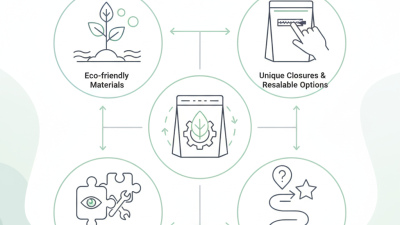
Sustainability adds another ranking factor, but vague claims deserve caution. Suppliers should describe recycled content, downgauging options, or recyclable structures with evidence. Certifications and factory audits can improve credibility, yet paperwork alone cannot prove daily performance. A better review combines documents with physical samples and controlled tests. No ranking is perfect. Weighting each factor differently may favor one buyer over another. That limitation should remain visible when comparing the top ten suppliers.
Choosing the top 10 custom printed stand-up pouch suppliers requires more than comparing glossy samples. A dependable supplier should show printed prototypes, material specifications, test reports, and clear production timelines. Look for experience with your product type, pouch size, filling method, and storage conditions. A supplier handling dry snacks may not understand the barrier needs of powdered goods or oily products.
The strongest top-ten shortlist usually includes suppliers with digital and rotogravure printing options. Digital printing suits short runs and frequent artwork changes. Rotogravure can reduce unit costs for larger volumes. Ask about seal strength, oxygen transmission, moisture protection, zipper performance, and color consistency. Request a sample pouch filled with a similar product. A beautiful empty pouch proves very little.
Check minimum order quantities, plate charges, recycling claims, and quality-control procedures. Reliable teams should explain tolerances instead of promising perfection. They should also provide region-appropriate food-contact or packaging compliance documents when required. Production visits, video inspections, and batch records add useful evidence. Still, mistakes happen. Artwork approval may overlook a small text error, or a zipper may feel weaker after transport testing. Keep a written approval process, and allow time for one more review.
Choosing the right supplier starts with product protection, not printing quality. A pouch may look attractive yet fail under heat, moisture, or shipping pressure. The Flexible Packaging Association’s 2024 State of Flexible Packaging report valued the U.S. market at approximately US$40.9 billion in 2023. That scale brings choice, but also inconsistent quality. Ask suppliers for material structures, oxygen and moisture barrier data, seal-strength results, and migration testing. Samples matter. Test filled pouches in real storage conditions.
Printing capability should match your launch size. Digital printing can reduce minimum order quantities, while rotogravure may lower unit costs at larger volumes. Request a written quotation showing plates, cylinders, setup fees, freight, and tooling.
McKinsey’s 2023 packaging consumer research found that sustainability remains important, but price and performance still strongly influence purchasing decisions. Therefore, do not accept vague “eco-friendly” claims. Require recyclable-structure evidence, thickness details, and third-party certificates where applicable.
Lead time deserves equal attention. Confirm artwork approval stages, production capacity, inspection procedures, and remedies for defects. A supplier offering the lowest price may create expensive delays. I have seen purchasing teams overlook zipper performance and tear-notch accuracy. That mistake becomes obvious on a warehouse floor. Choose a supplier willing to share test reports, retain samples, and explain limitations clearly. Perfect claims are suspicious. Reliable partners admit what their material cannot withstand.
Interested in working with our team? Reach out to our team for a no-strings-attached consultation.
1 (833) PPC-FLEX
1111 Busch Pkwy
Buffalo Grove, IL 60089, USA