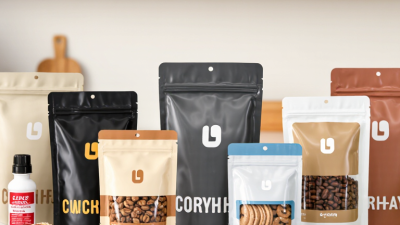
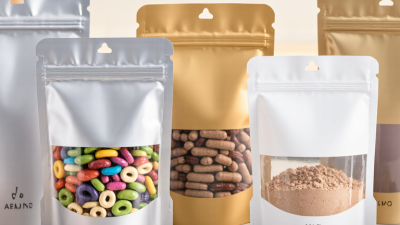
Printed stand up pouches give wholesale buyers a shelf-ready format with a stable base, broad print area, and less storage bulk than many rigid packs. The market is growing, but choosing a supplier takes more than comparing unit prices. Buyers need to weigh barrier performance, seal consistency, print quality, minimum order quantities, and lead times. Small details matter: a zipper that catches, a color that shifts, or a pouch that tips on a retail shelf can affect the customer experience.
Grand View Research valued the global stand-up pouches market at about $36.3 billion in 2023 and projected an 8.1% compound annual growth rate from 2024 to 2030. These figures describe the wider market, not a guarantee of demand for any particular product or supplier. The Flexible Packaging Association also identifies flexibility, lightweight construction, and efficient shipping as notable features of flexible packaging. Still, packaging choices involve trade-offs; a high-barrier structure may not suit every product or budget.
This guide compares 10 printed stand up pouches for wholesale buyers, focusing on materials, customization, order considerations, and practical use. An expert quotation was not included because no verifiable source for a named expert’s exact words was provided. That matters: a polished quote is not useful if its attribution cannot be checked. The best pouch is the one that protects the product, prints consistently, and works reliably on your filling line.
Before comparing printed stand up pouches, define what the pouch must hold. Powder, roasted snacks, and oily foods can require different films and closures. Share the product, target fill weight, and whether it needs a zipper or tear notch. A 250-gram fill may need a wider pouch than the same weight of dense powder. Check dimensions with a filled sample, not just a flat template.
Order volume affects print methods, unit cost, and storage needs. Estimate the first order realistically, then ask suppliers for price breaks and minimum quantities. Specify your artwork, pouch dimensions, and expected reorder schedule. Barrier needs matter too: moisture protection may be enough for some products, while others need added protection from oxygen, light, or aroma loss. Ask for material specifications and test samples under actual filling and storage conditions. A pouch can look excellent on screen and still seal poorly when filled. That detail is easy to miss.
Tips: Request samples in your intended size and film structure. Fill a few, check the seals, and leave them stored for a practical trial period. Compare results before approving a large run. I would not assume the first sample tells the whole story.
Printed stand-up pouches differ in barrier protection, closure, and shelf appeal. PET/PE zipper pouches suit granola and dry snacks; the zipper supports repeated use.
Kraft-paper/PE pouches give tea a natural-looking exterior, though the inner layer—not the paper—provides the barrier.
PET/aluminum foil/PE bags with heat seals protect coffee from light and moisture.
Metallized PET/PE zipper pouches offer a lighter barrier option for nuts.
Clear PET/PE pouches let shoppers inspect dried fruit, but provide less light protection.
Not every pouch fits.
For confectionery, matte BOPP/PE zipper bags create a soft-touch finish.
Mono-PE zipper pouches may simplify material sorting, but confirm local recycling acceptance before making that claim.
PET/aluminum/PE heat-sealed pouches suit ground spices needing strong aroma protection.
Retort-grade PET/aluminum/CPP pouches handle heat-processed meals when the structure and seals are validated for the process.
PE spout pouches work for pourable products such as sauces, with spout size matched to product thickness.
Specifications matter.
Tips: Request samples and test seals, zipper strength, print rub resistance, and product compatibility. Check dimensions when filled; a pouch that stands empty may slump on a crowded shelf. Barrier performance varies by film thickness and construction, so ask suppliers for test data. A small pilot run can reveal issues before a wholesale order.
Printed stand-up pouches can look identical on a shelf but protect products very differently. ASTM D3985 measures oxygen transmission through a plastic film, while ASTM F1249 measures water vapor transmission. Ask suppliers for both results, not just phrases such as “high barrier.” Check the reported units, test temperature, and humidity. Results from different conditions are not directly comparable. Conditions matter.
A low transmission rate can help protect aroma, texture, and freshness, but it does not guarantee the finished pouch will perform equally well. The tests usually assess material samples, while seals, corners, and zipper areas can create weak points. Request reports for the actual laminate structure, then ask how finished pouches are checked for leaks. Picture a pouch standing in a warm warehouse: moisture exposure may differ from a cool, dry test room. That gap deserves attention. I would also avoid choosing a film on one number alone; sometimes the simplest comparison misses the real handling conditions.
10 Best Printed Stand Up Pouches for Wholesale Buyers
Check print quality, FDA food-contact rules, and verified recyclability claims
A pouch can look sharp on screen and still arrive with blurred text, uneven color, or a weak seal. Request production samples, not just digital proofs. Check small lettering, barcode readability, registration around the zipper, and scuffing after handling. The Flexible Packaging Association’s 2024 State of the Flexible Packaging Industry report estimated U.S. flexible-packaging sales at $42.9 billion in 2023. That scale makes supplier checks essential, but it does not guarantee consistent print runs.
For food-contact use, ask for documentation covering the pouch’s specific layers, inks, adhesives, and intended food and temperature conditions. FDA compliance depends on applicable regulations or an effective Food Contact Notification; a generic “FDA compliant” claim is not enough. Recyclability needs equal scrutiny. The U.S. EPA reported that containers and packaging generated 82.2 million tons of municipal solid waste in 2018, or 28.1% of the total. That figure covers many materials, not pouches alone. Ask which collection and sorting systems accept the exact pouch structure, and request evidence behind any recyclability claim.
Tips: Rub a printed sample with a dry cloth, then inspect the ink and seams. Ask for current compliance and recyclability documents. “Looks recyclable” is not proof.
| # | Pouch Type | Typical Material Structure | Print Quality Considerations | Barrier and Product Fit | Food-Contact Checks | Recyclability Reality |
|---|---|---|---|---|---|---|
| 1 | Clear PET / PE pouch | Printed polyester outer layer laminated to a polyethylene sealant layer. | PET provides a smooth print surface for detailed graphics. Confirm color targets, proof approval, and print durability before production. | Good visibility and a practical general-purpose option for dry products. It offers less protection from oxygen and light than foil-containing structures. | Request documentation for every food-contact layer, sealant, adhesive, and intended use condition. Printing should remain on the non-food-contact side, with controls for set-off and migration. | Multi-material PET/PE laminates are generally not accepted in curbside recycling. Do not describe them as recyclable without evidence that the complete pouch is accepted by relevant collection and processing systems. |
| 2 | Metallized PET / PE pouch | Printed PET with a thin deposited metal layer, laminated to PE. | Supports high-contrast, premium-looking graphics. Check metallic appearance, color consistency, and registration on production samples. | Improves light and moisture protection compared with a clear structure; barrier performance depends on the complete laminate and its seals. | Obtain supplier compliance statements covering the metallized film, adhesive, PE layer, and intended food type, temperature, and contact duration. | The metalized layer and mixed materials make recycling challenging. Usually not curbside recyclable; verify any claimed collection route for the exact finished pouch. |
| 3 | Aluminum-foil high-barrier pouch | Printed outer film, aluminum foil barrier, adhesive, and PE or another sealant layer. | Foil blocks show-through, so graphics are typically printed on the outer film. Approve a physical proof to check color, fine text, and registration. | Strong protection from light, oxygen, and moisture when properly designed and sealed; useful for products needing extended protection. | Verify that each layer and adhesive is suitable for the intended food-contact use. Confirm seal integrity and that the foil or other layer does not create an unintended food-contact surface. | Foil-containing laminates are not ordinarily accepted in household curbside recycling. Avoid unqualified “recyclable” claims. |
| 4 | Puncture-resistant PET / PA / PE pouch | Printed PET outer layer, polyamide (PA) strength layer, and PE sealant layer. | Printed PET can support detailed graphics. Check laminate bond strength and appearance after filling and distribution handling. | PA can improve toughness and puncture resistance. The overall barrier depends on layer grades, thickness, seals, and product requirements. | Request food-contact documentation for the PA and PE layers, adhesive, and any other components. Confirm compliance for the actual contact conditions and food type. | Because it combines different polymers, this structure is generally difficult to recycle and is not typically accepted in curbside programs. |
| 5 | Mono-PE pouch | Polyethylene-based outer and sealant layers, designed to use one principal polymer family. | Print quality depends on the film surface and printing process. Ask for a production-representative sample; confirm scuff resistance and color consistency. | Can suit many dry products, but may need additional design features for higher barrier requirements. Test the filled pouch for shelf-life performance. | Confirm food-contact suitability for each PE layer, inks, adhesives, coatings, and closures. Compliance depends on the specific formulation and intended conditions of use. | Mono-material design may improve compatibility with some flexible-film recycling streams, but acceptance is not universal. Verify local collection, sorting, and processing for the complete pouch. |
| 6 | Mono-PP pouch | Polypropylene-based film layers, with compatible seals and other components where available. | Surface treatment and ink system affect adhesion and appearance. Require print-adhesion testing and approval of production samples. | May suit selected dry products. Confirm barrier and sealing performance against the product’s shelf-life needs rather than relying on polymer type alone. | Obtain documentation for the PP films, inks, adhesives, and any closure components for the intended food and use conditions. | Flexible PP pouch collection is limited in many areas. A mono-PP design is not by itself proof of practical recyclability; verify the local route. |
| 7 | Paper-look PE laminate pouch | Printed paper outer layer laminated to a PE sealant film. | Paper provides a natural matte appearance. Specify acceptable color variation and check graphics for legibility on the selected paper stock. | Provides a paper-like appearance while the inner film supports sealing. Moisture and oxygen protection depend on the laminate design. | Check food-contact documentation for the paper, any treatments, adhesive, and PE layer. Confirm whether the paper is intended to contact food directly. | A plastic-lined paper pouch generally cannot be treated as ordinary paper recycling. Check local rules and avoid implying that the whole laminate is recyclable as paper. |
| 8 | Coated PE high-barrier pouch | PE-based films with a barrier coating and compatible sealant layers. | Coating and film choice can affect ink adhesion and surface appearance. Verify print performance after converting, filling, and handling. | Can offer improved barrier properties while retaining a PE-focused design. Performance varies by coating, pouch construction, and seals. | Request food-contact documentation for the coating, films, inks, and adhesives. Confirm that the coating and construction are suitable for the intended food and contact conditions. | Recyclability depends on the coating, other layers, closures, and the capabilities of local film-recycling systems. Require evidence for the exact finished package. |
| 9 | Certified compostable stand-up pouch | Compostable film layers and compatible inks or adhesives, selected for a defined composting standard. | Request a printed sample to assess color, image detail, and ink performance on the selected compostable film. | Barrier and shelf life vary significantly by construction. Conduct product-specific shelf-life and seal testing before purchase. | Verify food-contact suitability separately from compostability certification. Confirm all food-contact layers and components meet requirements for the intended use. | Compostable does not mean recyclable or home-compostable. Check the certification scope and whether suitable industrial composting facilities accept the pouch in the intended market. |
| 10 | Clear-window high-barrier pouch | Printed laminate with a transparent window; the remaining structure may include metallized film or foil. | Approve the window position and print proof together. Check that artwork does not obscure the viewing area and that registration is consistent. | Allows shoppers to see part of the product while retaining a barrier structure elsewhere. The window can affect overall protection; test the complete pouch. | Confirm documentation for the window film, barrier layers, adhesive, and food-contact surface. Ensure the printed exterior and laminate are suitable for the intended use. | A clear window does not make a mixed-material pouch recyclable. Determine whether the complete package—not just one layer—is accepted by a verified local program. |
Buyer note: FDA food-contact compliance is use-specific; it is not a blanket approval of an entire pouch or printing process. Ask suppliers for applicable compliance documentation and supporting test information for the finished construction and intended conditions of use. In the United States, relevant requirements may include 21 CFR 174.5 and applicable regulations in 21 CFR Parts 175–178. Treat recyclability as verified only when the complete package is accepted by an identified collection and processing system in the target market.
For printed stand up pouches, the lowest quote is not always the best wholesale value. Compare minimum order quantity (MOQ) with your realistic sales forecast and storage space. A supplier may offer a lower price at 20,000 units, but that can leave cartons stacked for months. Ask whether the MOQ applies to each design, size, or combined order. Confirm the production lead time in writing, including artwork approval and sample review. Small delays here can affect your launch date.
Landed cost should include printing, freight, duties where applicable, and any setup or inspection fees. Request a quote with these items separated; otherwise, competing offers are hard to compare. Check supplier quality controls, too. Ask how they verify pouch dimensions, zipper function, seal strength, and print color across a production run. A pre-production sample helps, though one sample cannot prove every pouch will match. I still find this easy to underestimate. Keep a signed sample and agreed specifications for reference, and ask how defects are documented and handled. Be cautious if answers stay vague. A slightly higher quote may be easier to trust when the supplier explains its checks and delivery assumptions clearly.
Interested in working with our team? Reach out to our team for a no-strings-attached consultation.
1 (833) PPC-FLEX
1111 Busch Pkwy
Buffalo Grove, IL 60089, USA