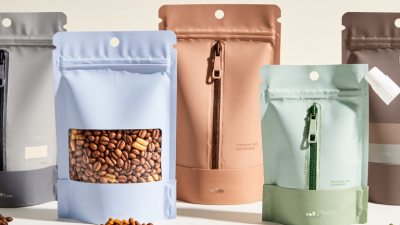
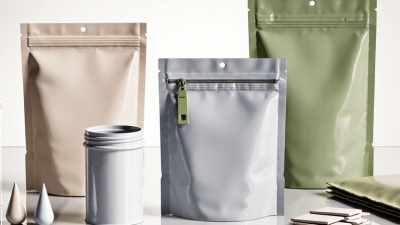
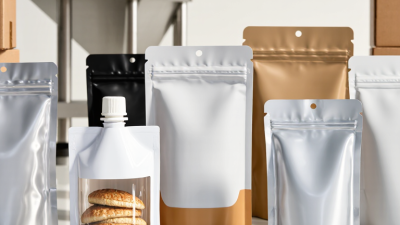
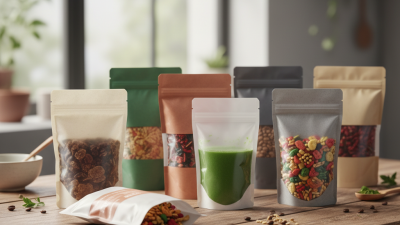
Stand up barrier pouches use flexible materials and a shaped bottom. Once filled, they can stand upright on a shelf. Their barrier layers are designed to slow moisture, oxygen, light, or odors, depending on the pouch’s construction. This can help protect product quality, though no pouch blocks every potential threat equally.
Materials and performance vary. That distinction matters. A dry snack, powdered ingredient, or personal-care item may need a different structure and closure. The right choice depends on the product, storage conditions, filling process, and desired shelf life. In practice, thickness alone does not tell the whole story. Layer combinations, seals, zipper fit, and handling can all influence performance. Small details count. A pouch that seems sturdy before filling may behave differently during transport or repeated opening. Buyers should review supplier specifications and, where appropriate, request product-specific testing rather than rely on broad claims. For food applications, confirm that materials suit the intended use and market.
This guide explains what stand up barrier pouches are, how their layers and features work, and where their limits appear. It also considers options such as resealable zippers, tear notches, and transparent windows. A window can improve product visibility, but it may affect light protection. Trade-offs are real. Packaging decisions are rarely perfect on the first try; samples, filling trials, and careful review can reveal weak points. The word “barrier” can sound absolute. It isn’t. Understanding the construction gives teams a clearer basis for comparing options and asking suppliers precise questions.
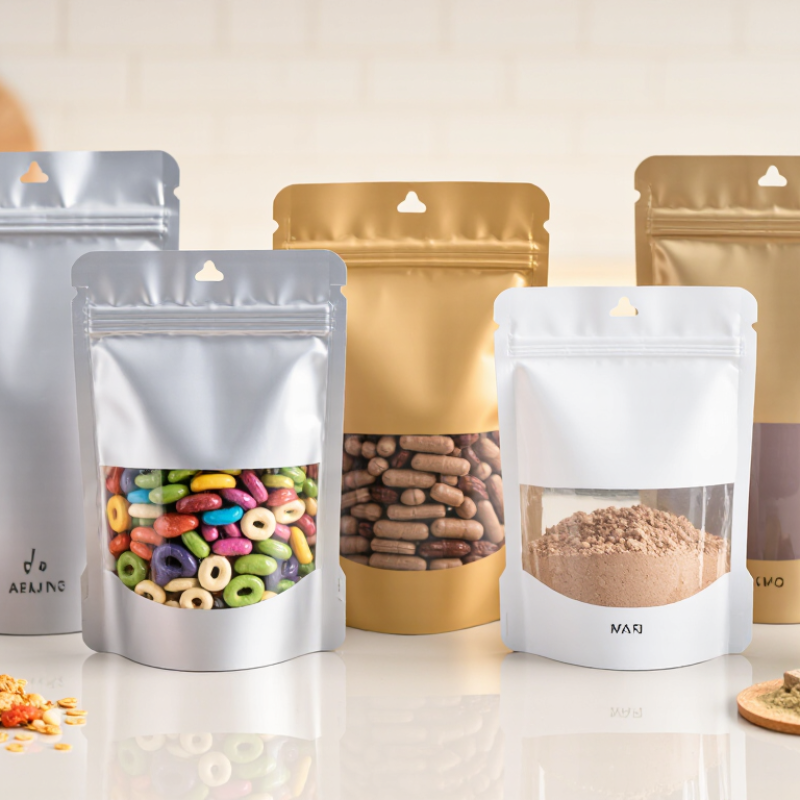
A stand up barrier pouch is a flexible package with a folded bottom gusset. When filled, the gusset opens and lets the pouch stand on a shelf or counter. Its layered construction can help limit exposure to moisture, oxygen, light, or outside odors. The exact protection depends on the materials and how well the pouch is sealed.
It is commonly used for dry foods, snacks, coffee, and household products. A resealable zipper can make repeated access easier, while a heat-sealed top provides a secure closure before opening. The clear window sometimes seen on these pouches helps shoppers view the contents, but it may reduce protection from light. Small design choices matter.
“Barrier” does not mean airtight forever. That wording can sound more absolute than it is. Performance depends on the product, storage conditions, film structure, and seal quality. For example, a pouch that stands neatly may still fail if a seal has wrinkles or tiny gaps. Choosing one means matching the barrier level to the product’s real needs, not just its appearance.
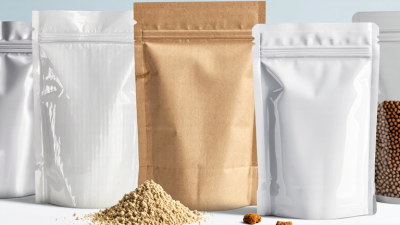
A stand-up barrier pouch is built from layers, and each has a different job. The outer polyester film carries print and resists scuffs from handling. A middle layer, often metallized film or aluminum foil, slows oxygen, moisture, and light. The inner polyethylene layer touches the product and forms heat-sealed edges. Think of the pouch as a small wall: the outside takes the knocks, while the middle blocks much of what could dull aroma or soften crisp food. Small details matter. A weak seal or tiny puncture can undermine the barrier, even when the film itself performs well.
The Flexible Packaging Association’s 2023 State of the U.S. Flexible Packaging Industry report put 2022 sales at about $42.9 billion, or roughly 21% of the U.S. packaging market. That scale shows how widely flexible formats are used, but it does not prove any one pouch protects a product. Ask for oxygen- and water-vapor-transmission data for the finished structure, not just a single film layer. ASTM F1927 and F1249 describe methods for measuring those rates. Results depend on film thickness, humidity, temperature, and test conditions. One limitation is easy to miss: a zipper adds convenience, but it is not a substitute for a reliable heat seal. No pouch is perfect. Seal quality and handling still deserve attention.
| Layer or Feature | Common Material | Main Function | Protection or Benefit | Typical Design Consideration |
|---|---|---|---|---|
| Outer layer | Printed polyester (PET) | Provides a printable surface and helps the pouch resist handling and abrasion. | Helps protect the package graphics and inner layers from scuffing and everyday handling. | Often selected for print quality, stiffness, and compatibility with the chosen laminate. |
| Barrier layer | Aluminum foil | Creates a strong barrier within the laminated structure. | Can provide strong protection against moisture vapor, oxygen, light, and aroma transfer when the pouch is properly made and sealed. | Foil can be affected by sharp folds, punctures, or flexing; package design and handling matter. |
| Alternative barrier layer | Metallized PET or a coated barrier film | Adds a barrier function without using a continuous aluminum foil layer. | Can reduce exposure to moisture, oxygen, and light, depending on the material and construction. | Barrier performance varies by film type, coating, converting process, and pouch use. |
| Optional strength layer | Oriented polyamide (nylon, PA) | Improves toughness and resistance to puncture in some laminate designs. | Helps protect the pouch from damage caused by handling or products with edges. | Usually paired with other layers; it is not generally used as the only barrier layer. |
| Inner sealant layer | Polyethylene (PE) or cast polypropylene (CPP) | Forms the heat seals and provides the surface that contacts the packaged product. | Helps contain the contents and maintain package integrity when the seal is correctly formed. | Material choice depends on sealing conditions, product compatibility, and required use. |
| Stand-up base | Folded bottom gusset made from the pouch laminate | Expands when filled so the pouch can stand on a shelf. | Improves display and storage convenience; the gusset itself is not a separate barrier material. | Gusset folds and seals should be considered when assessing package integrity. |
| Example laminate structure | PET / aluminum foil / PE | Combines an outer printable layer, a barrier layer, and an inner heat-seal layer. | May be used where strong protection from light, oxygen, and moisture is needed. | This is an illustrative structure; suitable materials depend on the product and packaging requirements. |
| Example foil-free structure | PET / metallized PET / PE | Combines an outer film, a metallized barrier film, and an inner heat-seal layer. | Can provide barrier protection while avoiding a continuous foil layer. | Its barrier properties are construction-specific and may differ from a foil laminate. |
| Layer order and performance vary by pouch design. Protection also depends on seal quality, package thickness, filling conditions, and the product being packed. | ||||
A stand up barrier pouch is a flexible package designed to rest upright on a shelf. Its base contains a folded gusset, or expandable panel. When the pouch is filled, the contents press outward and help open this fold. The base spreads into a wider footprint, giving the package support without a rigid box. That small fold does real work.
Stability depends on more than the gusset alone. Pouch width, material stiffness, fill weight, and how evenly the contents settle all matter. A pouch filled with small, evenly distributed pieces may stand differently from one holding a dense product concentrated at one end. On a counter, a properly opened base should sit flat. If a corner curls or the pouch leans, the gusset may not be fully expanded, or the load may be uneven. Even good packaging can wobble.
Tips: Before filling, check that the bottom fold opens cleanly. Set a filled sample on a level surface and gently tap the counter. Notice whether it tips, rocks, or stays upright. Test the actual pouch size and fill amount you plan to use; a light sample can give a misleading impression. For a cleaner shelf display, avoid pressing the base out of shape during packing.
Stand-up barrier pouches combine a flexible body, sealed edges, and a bottom gusset that lets the pack sit upright on a shelf. Their barrier layers can help limit exposure to moisture, oxygen, or light, depending on the material design. That makes them useful for products such as coffee, dried fruit, nuts, snacks, and powdered drinks. Pet treats and dry pet food also use pouches for convenient portioning and resealing. The Flexible Packaging Association’s 2023 State of the U.S. Flexible Packaging Industry reported $42.9 billion in U.S. flexible-packaging sales for 2022, about 21% of the packaging market. This broad category includes more than stand-up pouches, but it shows how established flexible formats have become.
Uses extend beyond food. Personal-care refills, cleaning products, and garden supplies may use pouch formats when flexible packs suit the product and distribution needs. A pouch can take less shelf space than a rigid container, but performance depends on its barrier structure, seal quality, and filling process. It is not a universal fix. Some pouches can also be difficult to recycle where suitable collection systems are unavailable. Grand View Research estimated the global stand-up pouch market at $36.2 billion in 2023; market estimates vary by scope, so treat the figure as an indicator, not a count of every pouch in use.
Tips: Match the barrier to the product’s sensitivity, then test seals and shelf life with real samples. A shiny pack is not proof of protection. Check local disposal options before choosing a material.
What Are Stand Up Barrier Pouches?
Key Benefits and Practical Limitations
Stand-up barrier pouches use flexible film layers and a bottom gusset that opens when filled. The gusset helps the pack stand on a shelf, making labels and contents easier to see. Barrier layers can reduce exposure to moisture, oxygen, or light, depending on the material structure. That can help preserve product quality during storage. Compared with rigid containers, pouches often use less packaging material and take up less space before filling. Useful advantages.
The protection is not automatic. It depends on the product, film layers, seal quality, and storage conditions. A small crease near the seal can become a weak point, while sharp contents may puncture some films. Not every pouch is easy to recycle; mixed-material layers can limit options where suitable collection systems are unavailable. Filling equipment may also need adjustments, so a sample run can reveal sealing or handling problems before larger orders. And a pouch may lean or tip if its base is too narrow or the fill is uneven. There is a compromise. Choose the structure and size around the product’s real handling needs, not appearance alone.
Stand-up barrier pouches are flexible packages designed to stand upright and help protect their contents from factors such as moisture, oxygen, or light. They are lightweight and space-efficient, but some multi-material laminates can be difficult to recycle in standard curbside systems.
Example structures shown: PE (polyethylene), PET (polyester), and AL (aluminum foil). Layer count describes the listed construction only; actual pouch designs and barrier performance vary by material grade, thickness, seals, and intended use.
Interested in working with our team? Reach out to our team for a no-strings-attached consultation.
1 (833) PPC-FLEX
1111 Busch Pkwy
Buffalo Grove, IL 60089, USA