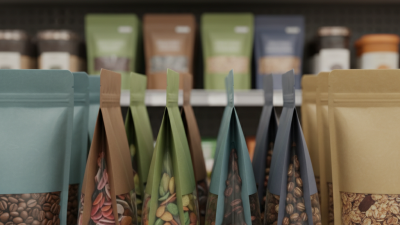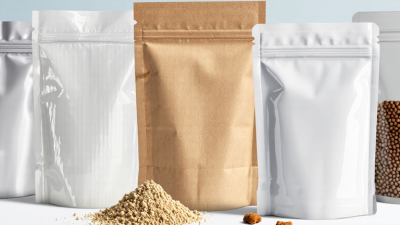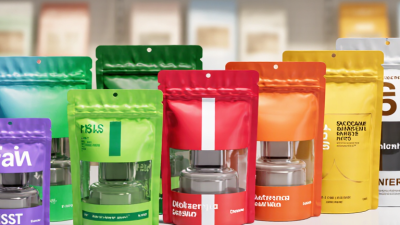
Choosing custom stand up pouches in 2026 requires more than attractive artwork. The pouch must protect the product, support filling equipment, and communicate trust. Packaging consultant Adam Peek describes packaging as “the first physical handshake between a brand and its customer.” That idea matters at the shelf and online. A matte pouch with a clear window can show texture, while a sharp zipper can signal everyday convenience.
This guide will examine the decisions behind successful custom stand up pouches. Product sensitivity comes first. Coffee, snacks, powders, pet food, and cosmetics may need different barrier structures. Oxygen, moisture, light, aroma, and grease can affect performance. Ask suppliers for material specifications, seal-strength data, and migration documentation. Do not choose a film only because it feels premium. It may run poorly on your filling line.
Size also deserves careful attention. A pouch that is too full may strain its seals. A pouch that is too large may look wasteful and increase shipping costs. Test the actual product inside. Check the zipper, gusset, tear notch, spout, and shelf stability. Small details matter.
Sustainability needs honest evaluation. Recyclable structures can be useful, but local collection systems may not accept them. Compostable films may require controlled facilities. No option is perfect. This is where many buying guides oversimplify the decision.
The following outline will connect design, materials, manufacturing, compliance, cost, and testing. It will help brands compare suppliers with clearer evidence. More importantly, it will encourage practical reflection before committing to a large production run.
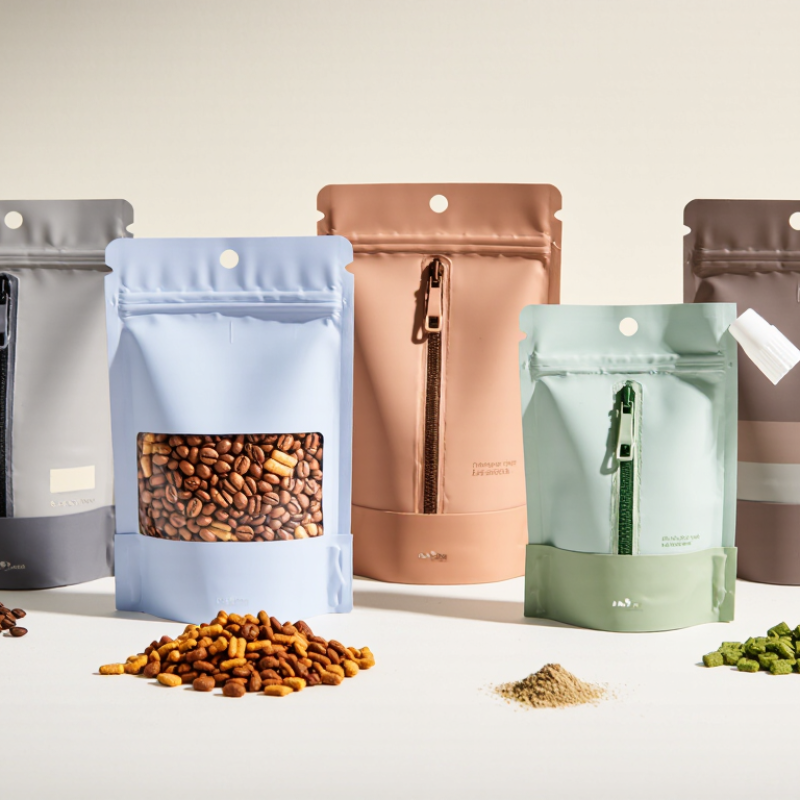
2026 How to Choose Custom Stand Up Pouches?
Understanding pouch types helps you match packaging with real product needs. Zipper pouches suit snacks, coffee, dried fruit, and pet treats because they reopen easily. Spout pouches work well for sauces, drinks, and liquid products. Flat-bottom pouches offer stronger shelf stability and more display space. A clear window can show product texture, but it may reduce light protection. Choose carefully.
Material selection matters as much as pouch shape. PET/PE laminates provide strength and sealing performance for many dry products. Foil laminates offer stronger barriers against oxygen, moisture, and light. Recyclable mono-material structures may simplify recycling, but they can require stricter filling conditions. Compostable options sound attractive, yet their shelf-life performance needs verification. A perfect pouch does not exist.
Tips: Test the pouch with your actual product before ordering large quantities. Check seal strength, zipper alignment, filling speed, and storage temperature. Ask for migration, barrier, and food-contact documentation when applicable. Keep artwork readable at shelf distance. Small text often fails. In practical packaging reviews, teams sometimes focus too heavily on appearance and overlook handling. That is an easy mistake. Reassess the pouch after transport testing, because a design that looks excellent may still leak, crease, or stand poorly.
| Stand-Up Pouch Type | Typical Material Structure | Closure Options | Main Applications | Suitable Product Characteristics | Primary Advantages | Important Selection Considerations |
|---|---|---|---|---|---|---|
| Standard Three-Side-Seal Pouch | Flexible film laminate or high-performance mono-material film with a sealed bottom gusset. | Open top, tear notch, or optional zipper. | Snacks Dry foods Pet treats Household products | Dry, free-flowing, non-sharp products with low to moderate moisture and oxygen sensitivity. | Simple construction, efficient material use, broad size range, and generally lower conversion complexity. | Not ideal for products requiring repeated opening unless a zipper is added. Barrier level must match the product’s shelf-life requirements. |
| Zipper Stand-Up Pouch | PE, PP, PET laminate, or recyclable mono-material film with a pre-applied or integrated zipper. | Press-to-close zipper, child-resistant zipper, or zipper with tear notch. | Coffee Granola Nuts Pet food Powders | Products consumed over multiple occasions and requiring protection from moisture, air, or odors after opening. | Convenient resealing, improved portion management, and better user experience for repeated access. | Zipper performance depends on seal cleanliness, film stiffness, product particles, and filling accuracy. It does not replace the need for a proper primary seal. |
| High-Barrier Stand-Up Pouch | Multilayer laminate incorporating aluminum foil, metallized film, EVOH, or another high-barrier layer. | Zipper, tear notch, laser score, or valve depending on the product. | Roasted coffee Dried foods Sensitive powders Oxygen-sensitive products | Products sensitive to oxygen, moisture, light, aroma loss, or external odors. | Strong protection against moisture, oxygen, light, and aroma transfer when correctly specified. | Barrier performance varies by film, thickness, seal quality, and converting process. Some structures are difficult to recycle through standard mechanical recycling systems. |
| Clear-Window Stand-Up Pouch | Printed outer film combined with a transparent window area, commonly using PET, PE, or PP layers. | Resealable zipper, tear notch, or open-top heat seal. | Candy Bakery items Dry snacks Specialty foods | Products where visual inspection and product presentation are important. | Allows consumers to see the contents while retaining the convenience of a flexible stand-up format. | The window can reduce overall barrier performance and may limit recyclability when made from a different material than the main pouch structure. |
| Spouted Stand-Up Pouch | Flexible multilayer film with a heat-sealed fitment and screw cap or dispensing closure. | Screw cap, flip-top cap, tamper-evident cap, or measured dispensing closure. | Sauces Purees Beverages Liquid detergents Personal care | Liquid, semi-liquid, viscous, or pourable products requiring controlled dispensing. | Lightweight format, convenient pouring, reduced headspace, and good space efficiency during transport and storage. | Spout diameter, cap design, seal strength, leakage resistance, and filling compatibility must be tested with the actual formula and filling equipment. |
| Retort Stand-Up Pouch | Heat-resistant multilayer structure designed for commercial retort processing, often using specialized polyester, barrier, and sealant layers. | Usually a heat seal; zipper options require a retort-compatible design. | Ready meals Soups Sauces Wet pet food | Thermally processed products requiring sterilization or extended ambient storage. | Suitable for high-temperature processing and can reduce package weight compared with rigid metal or glass formats. | Requires validated retort conditions, compatible inks and adhesives, strong seals, and packaging designed to withstand heat, pressure, and handling. |
| Spouted Retort Pouch | Retort-compatible flexible laminate combined with a heat-resistant spout and closure system. | Retort-grade screw cap or tamper-evident dispensing closure. | Baby food Purees Liquid meals Thick sauces | Processed liquid or semi-liquid products intended for convenient direct dispensing. | Combines thermal processing capability with controlled dispensing and convenient handling. | Fitment integrity, cap retention, spout cleanliness, and post-process leakage must be verified through production and distribution testing. |
| Recyclable Mono-Material Pouch | Predominantly PE-based or PP-based layers designed for compatibility with an applicable recycling stream. | Zipper, tear notch, or spout, depending on the material family and end use. | Dry foods Pet food Personal care Household products | Products whose required barrier, seal strength, and processing conditions can be met without incompatible layers. | Can simplify material identification and may improve recycling compatibility where suitable collection and sorting infrastructure exists. | “Recyclable” depends on local collection, sorting, and reprocessing systems. Confirm applicable design guidelines and test barrier performance before commercialization. |
| Kraft-Paper-Look Stand-Up Pouch | Paper-faced laminate or paper-effect printed film combined with an inner heat-sealable barrier layer. | Zipper, tear notch, or heat seal. | Dry snacks Tea Bakery products Natural products | Dry products where a paper appearance is desired and moderate to high protection can be achieved through the inner layer. | Provides a natural visual appearance, good shelf presence, and flexible format efficiency. | A paper appearance does not necessarily mean the pouch is paper-recyclable or compostable. The complete material structure should be reviewed. |
| Child-Resistant Stand-Up Pouch | Barrier laminate or mono-material structure fitted with a closure system designed for child-resistant performance. | Child-resistant zipper or specialized child-resistant closure. | Regulated products Household chemicals Selected supplements | Products requiring additional access control because accidental opening by children presents a safety risk. | Combines flexible packaging efficiency with an enhanced access-control feature. | Performance requirements vary by market and product category. Required child-resistance and adult-use testing must be completed before sale. |
Selection note: Final pouch specifications should be based on the product’s moisture and oxygen sensitivity, filling temperature, processing method, required shelf life, closure performance, transport conditions, local recycling infrastructure, and applicable food-contact or product-safety regulations.