How to Choose the Best Stand Up Pouches?
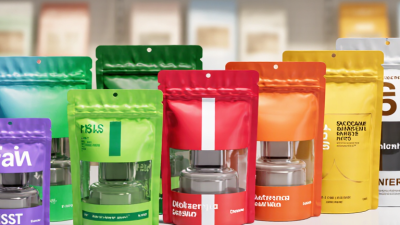
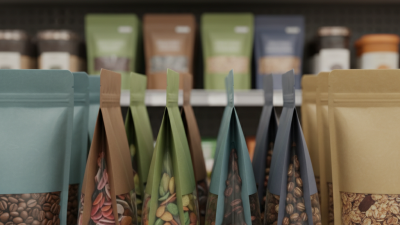
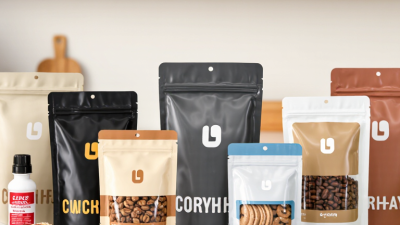
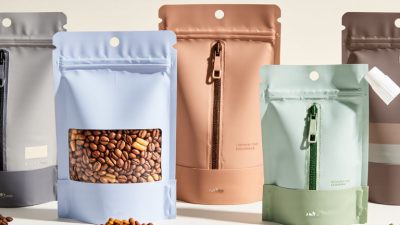
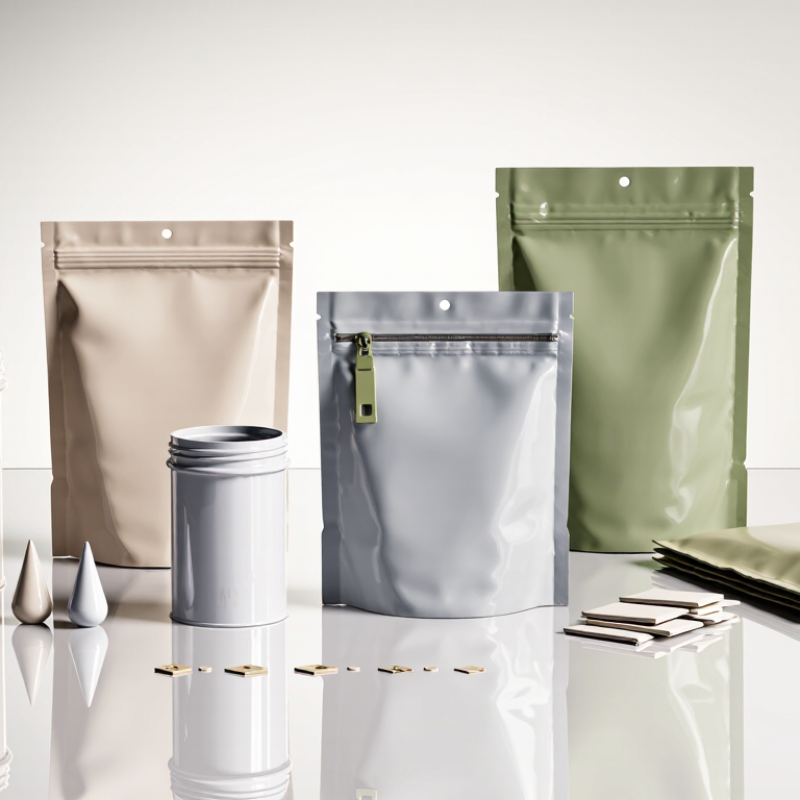
Stand-up pouches are flexible bags designed with a bottom gusset. The gusset spreads when filled, allowing the pouch to stand on shelves. A typical pouch uses several film layers. Each layer controls strength, moisture, oxygen, light, or sealing performance. The filling process creates pressure inside the package. Good pouch design balances that pressure with stable seals and controlled film flexibility.
According to the Flexible Packaging Association’s 2024 industry report, flexible packaging sales reached about 40.9 billion dollars in the United States during 2023. The report also recorded a 2.2% decline from the previous year. This suggests that performance and cost efficiency matter more than appearance alone. Market research from Mordor Intelligence estimates the stand-up pouch market will continue growing through 2029, with demand linked to convenience and material efficiency.
Choosing the right pouch starts with the product. Dry powders may need strong seals and dust-resistant filling. Moist foods require high moisture barriers and reliable closures. Light-sensitive contents may need an opaque outer layer. During line trials, I would check seal strength, drop resistance, zipper alignment, and pouch stability. Laboratory tests should also measure oxygen and water-vapor transmission rates. A pouch can look excellent and still fail after transport. That is an uncomfortable detail, but it deserves attention. Sometimes, a simpler structure performs more reliably than a complicated one.