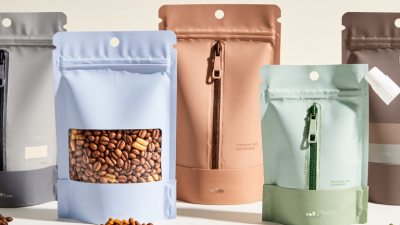
Choosing the right stand up pouch packaging supplier can affect product protection, shelf appeal, and long-term operating costs. A pouch may look simple, yet its performance depends on film structure, seal strength, zipper quality, and filling conditions. Suppliers serving coffee, snacks, pet food, sauces, and personal care products may offer very different technical capabilities. The best choice should match the product, production speed, storage environment, and target market.
This guide examines leading suppliers through practical criteria. These include material options, printing accuracy, pouch dimensions, minimum order quantities, prototype support, and delivery reliability. It also considers food-contact documentation, quality-control procedures, and testing practices where relevant. A dependable supplier should explain oxygen, moisture, light, and puncture protection clearly. Vague sustainability claims deserve careful questions. They may sound impressive.
Real production experience matters. A supplier can provide attractive samples but still struggle with inconsistent seals or delayed shipments. Ask for batch records, inspection details, and references from comparable industries. Request samples filled with a similar product, not empty display pouches alone. Small details matter, such as zipper alignment, tear-notch placement, and whether the pouch stands evenly on a retail shelf. No supplier is perfect. Even strong companies may have limitations in customization, speed, or regional support.
The following overview is designed to help buyers compare suppliers with greater confidence. It does not treat rankings as permanent. Pricing, technology, certifications, and capacity can change over time. A careful decision combines documented evidence with hands-on testing and honest communication. That approach reduces surprises before a large order reaches the filling line.
What Is Stand-Up Pouch Packaging?
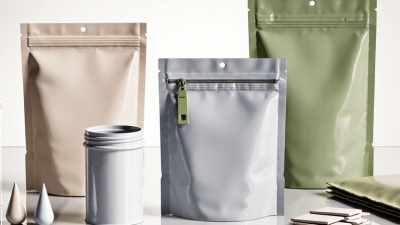
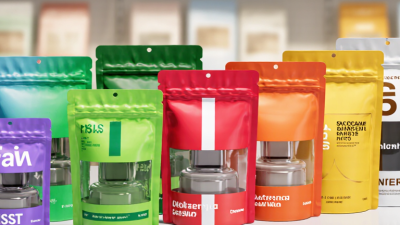
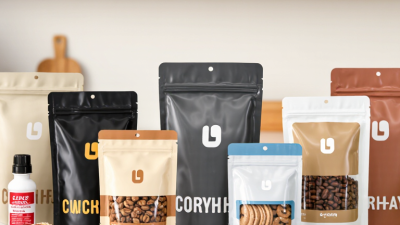
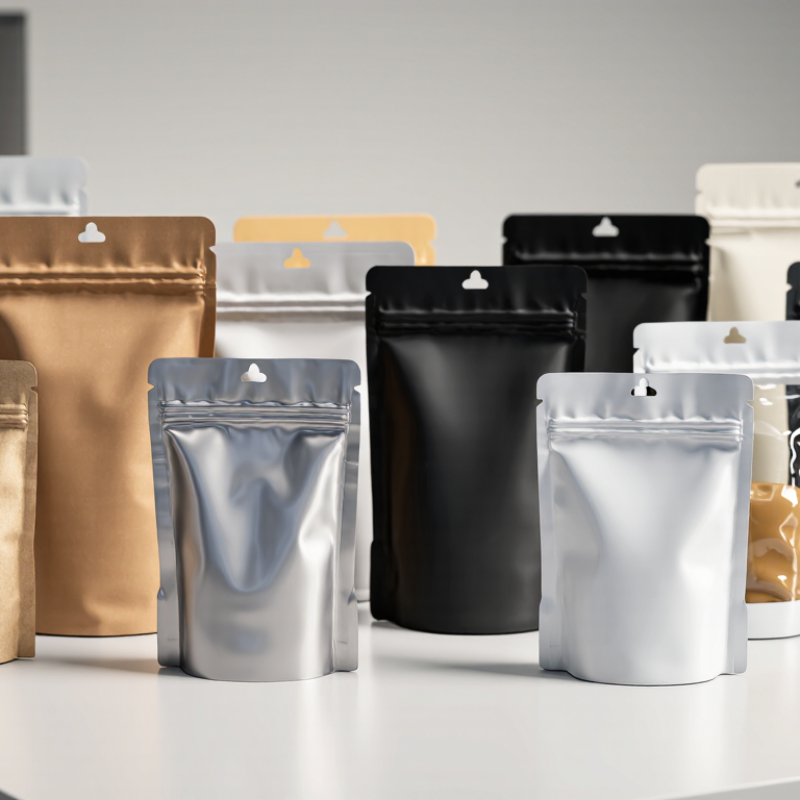
Stand-up pouch packaging is a flexible bag designed with a bottom gusset. That gusset lets the pouch remain upright on a shelf. It usually combines plastic films, foil, paper, or recyclable mono-material layers. A heat seal closes the top, while zippers, spouts, or tear notches improve daily use. In practical testing, pouch performance depends on seal strength, filling temperature, and drop resistance.
The Flexible Packaging Association’s 2023 State of the Flexible Packaging Industry report valued U.S. flexible packaging sales at about $39.5 billion in 2022. Its analysis also describes flexible packs as lightweight and space-efficient during transport. Smithers’ stand-up pouch market analysis identifies food, beverages, pet care, and household products as major applications. These categories need barriers against oxygen, moisture, light, or aroma loss. A clear window may help shoppers, but it can weaken light protection.
Supplier evaluation requires practical testing. Ask for migration documentation, seal-integrity data, puncture results, and filling-line trials. Do not trust a sample alone. A pouch that stands neatly in a showroom may wrinkle, leak, or tip during transport. Recyclable structures also need careful review because collection systems differ by region. The sustainable choice is not always the thinnest pouch. That point deserves more honest scrutiny.
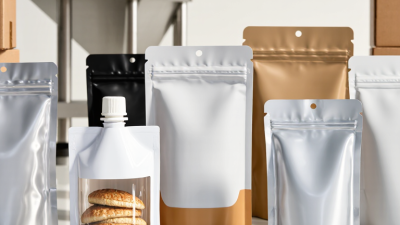
Which companies are leading stand-up pouch supply? The answer usually depends on production depth, not advertising. Leading suppliers often operate extrusion, printing, lamination, and pouch-making under one quality system. This structure can reduce delays between stages. It also makes technical discussions more direct.
Experienced suppliers provide clear material specifications, production samples, and filling guidance. They should explain seal strength, puncture resistance, zipper performance, and barrier levels in practical terms. A reliable company will also share testing methods and reasonable lead times. Ask about factory audits, batch records, color control, and corrective actions. Details matter.
Look for suppliers with flexible minimum order quantities and stable regional logistics. A smaller converter may offer faster customization. A larger manufacturer may provide stronger capacity during seasonal demand. Neither option is automatically better. A trial order can reveal weak seals, uneven printing, or confusing communication. These problems are easy to overlook in a polished presentation.
The best supplier is the one that fits the product, filling equipment, budget, and delivery schedule. Companies serving food, household, and personal-care packaging often bring useful process experience. Still, claims should be checked through samples and documented test results. No supplier is perfect. Even a capable partner may need clearer artwork files or more time for a complex structure.
| Supplier Category | Typical Geographic Coverage | Main Stand-Up Pouch Capabilities | Common Materials | Typical Production Scale | Typical MOQ Range | Indicative Lead Time | Common Certifications | Best Fit |
|---|---|---|---|---|---|---|---|---|
| Large Multiregional Flexible Packaging Manufacturer | North America, Europe, Asia-Pacific and other export markets | High-volume printed pouches, spouted pouches, retort pouches, recyclable structures and automated filling support | PE PP PET Aluminum foil High-barrier laminates | Millions of pouches per month; suitable for national and international brands | Usually 50,000–250,000 pieces per design, depending on structure and printing method | Approximately 6–12 weeks after artwork and specifications are approved | Food-contact compliance, ISO-based quality systems, HACCP or BRCGS where applicable | Large, repeat-volume programs requiring consistent quality and broad technical support |
| Regional Custom Pouch Converter | One primary region with domestic and nearby export service | Custom sizes, zipper pouches, flat-bottom pouches, matte or gloss finishes and short-to-medium production runs | PE films Polyester laminates Paper laminates Metallized films | Hundreds of thousands to several million pouches per month | Usually 10,000–100,000 pieces per design | Approximately 4–8 weeks after final approval | Food-contact declarations, ISO 9001, HACCP and regional packaging compliance documentation | Growing food, coffee, pet-food and household-product businesses |
| Digital-Print Flexible Packaging Supplier | Primarily domestic or regional markets with parcel or freight delivery | Digitally printed stand-up pouches, variable artwork, multiple SKUs and rapid market testing | PE-based films PET-based films Barrier laminates | Best suited to small and medium batches rather than continuous mass production | Often 500–10,000 pieces per design, subject to pouch format and finishing requirements | Approximately 2–5 weeks after artwork approval | Food-contact documentation, ink compliance information and quality-control records | Product launches, seasonal packaging, promotional editions and SKU testing |
| High-Barrier Retort Pouch Specialist | Global supply through qualified industrial packaging channels | Retortable stand-up pouches, heat-sealable structures, high oxygen resistance and thermal-process validation | Polyester Aluminum foil Cast polypropylene Retort laminates | Industrial-scale production with strict process-control requirements | Commonly 50,000–200,000 pieces per design | Approximately 8–16 weeks, including testing and validation | Food-contact compliance, HACCP or BRCGS, migration testing and retort-process documentation | Ready meals, sauces, seafood, meat products and shelf-stable foods |
| Sustainable Mono-Material Pouch Developer | Europe, North America and selected Asia-Pacific markets | Recyclability-focused pouches, downgauged films, mono-PE or mono-PP structures and compatibility testing | Mono-PE Mono-PP PCR film options Paper-based structures | Commercial production ranging from pilot runs to high-volume supply | Usually 25,000–150,000 pieces per design | Approximately 6–14 weeks, depending on material qualification | Recyclability test reports, food-contact compliance, ISO-based quality systems and sustainability declarations | Companies targeting recyclable packaging and lower material use |
| Stock Pouch and Private-Label Packaging Distributor | Local or regional distribution with imported product options | Standard pouch sizes, stock colors, generic zipper formats and quick-turn customized labels or printing | PE PET/PE Kraft laminates Metallized films | Inventory-based supply with limited structural customization | From approximately 1,000 pieces for stock formats; custom printing generally requires higher volumes | Stock items may ship within days; printed orders commonly require 3–8 weeks | Supplier-specific food-contact documentation and standard quality records | Small businesses, e-commerce sellers and buyers needing rapid availability |
| Specialty Spouted Pouch Manufacturer | Regional and international supply for liquid and semi-liquid products | Spouted pouches, fitments, caps, corner spouts, child-resistant options and filling-line compatibility | PE PET/PE High-barrier films Retort-compatible films | Medium- to high-volume production with fitment assembly capability | Usually 25,000–100,000 pieces per format | Approximately 6–12 weeks after fitment and artwork approval | Food-contact compliance, leak testing, seal-strength testing and relevant quality certifications | Baby food, beverages, detergents, sauces, cosmetics and personal-care products |
When comparing stand-up pouch packaging suppliers, examine both the product format and the material structure. Common options include zipper pouches, spouted pouches, flat-bottom bags, and retort pouches. Each format suits different filling methods and storage conditions. Zippers support repeated opening. Spouts help control liquid dispensing. Retort pouches require heat-resistant structures and carefully tested seals.
Suppliers may offer PET, PE, PP, aluminum foil, paper laminates, and high-barrier films. Mono-material PE or PP can simplify recycling in suitable systems, but local recycling access matters. Paper-based pouches may improve shelf appearance, yet they often need plastic layers for moisture protection. Barrier choices should match the product’s sensitivity to oxygen, light, aroma, and humidity. Ask for oxygen transmission, moisture transmission, seal-strength, and migration data. Attractive printing is useful, but weak seals are not.
Tips: Request samples filled with your actual product. Test them after transport, stacking, and repeated opening. Confirm minimum order quantities, lead times, filling compatibility, and quality certificates. A lower unit price can hide higher waste or tooling costs. Do not rely only on a supplier’s sample. Real production sometimes reveals curling, leaking, or uneven seals. That part deserves honest review.
Choosing stand-up pouch suppliers requires more than comparing unit prices. The U.S. flexible packaging industry generated about $42.9 billion in 2023, according to the Flexible Packaging Association’s 2024 State of Flexible Packaging report. This scale suggests strong manufacturing capacity, but supplier quality still varies. Ask for material structures, barrier-test results, seal-strength data, and production samples. A pouch that looks excellent on a desk may wrinkle, leak, or fail during filling.
Compare suppliers against your actual product and equipment. Review oxygen and moisture transmission rates, zipper performance, print accuracy, minimum order quantities, lead times, and quality-control procedures. Request evidence of food-contact compliance where applicable, plus batch traceability and corrective-action records.
Test samples on your filling line, not only by hand. The Packaging Machinery Manufacturers Institute repeatedly highlights equipment compatibility and changeover efficiency as important packaging concerns in its industry research. Price is useful, but it should not lead the decision.
Tips: Build a weighted comparison sheet. Give barrier performance and seal reliability higher scores than cosmetic details. Visit the factory if volumes justify it. Ask how rejected pouches are handled.
Also, admit what you do not know. Forecasts can be wrong, and one successful sample proves little. I once overlooked delivery consistency because the quoted price looked attractive; the later delays cost more than the original saving. Supplier comparison should remain practical, documented, and slightly skeptical.
Choosing a stand up pouch packaging supplier requires more than comparing unit prices. Product protection should guide the decision. Ask whether the pouch resists moisture, oxygen, light, and punctures during storage and transport. Material structure matters. A thin pouch may reduce costs, but it can fail under sharp contents or rough handling.
Supplier experience also deserves close attention. Review production equipment, quality control procedures, testing records, and relevant certifications. Request samples from recent production runs, not only polished showroom pieces. Check seal strength, zipper performance, print accuracy, and pouch dimensions. Reliable suppliers explain their minimum order quantities, lead times, payment terms, and replacement policies clearly. Vague answers can create expensive delays. A low quotation may look attractive. It may hide weaker materials or inconsistent production.
Tips: Create a written comparison sheet before choosing. Include material options, tolerances, test results, delivery history, and communication speed. Ask for a small trial order when possible. Inspect the pouches after stacking, opening, and repeated handling. Also discuss recycling claims carefully, because “eco-friendly” can mean different things in different markets. Sustainability matters, but unusable packaging creates waste too. Supplier selection is not always perfect. A strong review process reduces surprises without pretending that every risk can be removed.
Interested in working with our team? Reach out to our team for a no-strings-attached consultation.
1 (833) PPC-FLEX
1111 Busch Pkwy
Buffalo Grove, IL 60089, USA