For global buyers, selecting the right pouch involves more than comparing prices or choosing an attractive shape. A doy pack can help products stand upright on shelves, but its material, closure, and construction affect how it performs in real use. Small details matter.
This guide introduces ten doy pack types and the practical differences buyers may encounter. Options include styles with windows, spouts, zippers, and varied barrier layers. Each design suits different product formats and handling needs; none is a universal solution. A pouch that works well for dry snacks may not suit a liquid or a product sensitive to moisture. That distinction is easy to overlook.
The comparisons focus on useful questions: What is being packed? How will customers open and store it? Does the pack need to stand securely, pour cleanly, or protect its contents during shipping? Buyers should also confirm dimensions, material specifications, sample performance, and supplier capabilities before committing to a large order. A neat product sheet is helpful, but it cannot replace testing with the actual product. Even a careful shortlist can miss a practical issue, such as a zipper that feels stiff or a pouch that tips when partly filled. These ten types offer a starting point—not a substitute for checking the details.
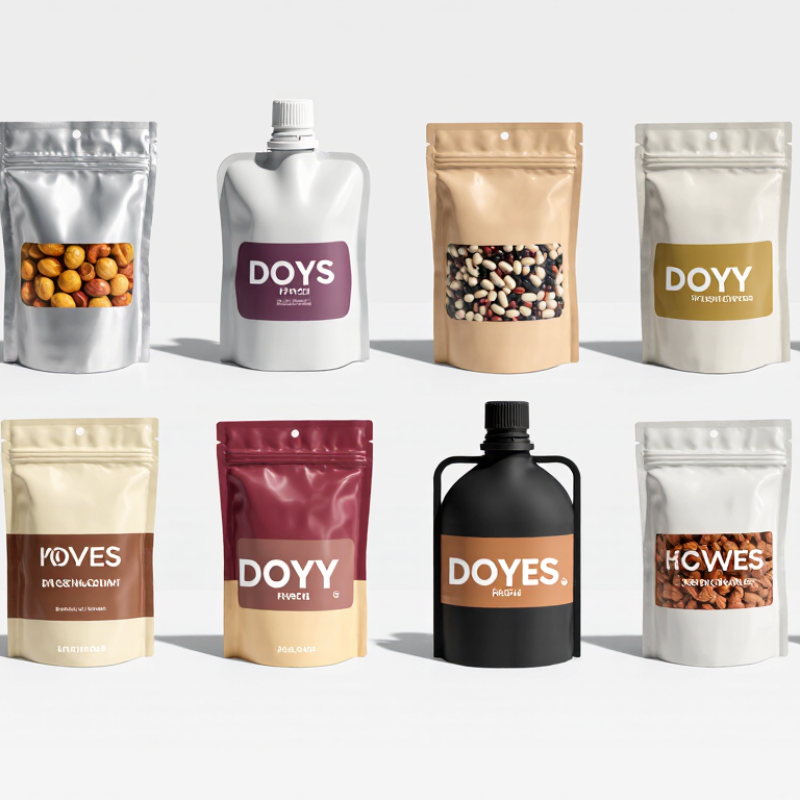
A Doy pack is a flexible pouch with a folded bottom gusset that opens into a broad, oval-like base. Unlike a flat sachet, it can stand on a shelf after filling. The name is often used for this stand-up pouch style, though suppliers may describe similar formats differently. It is not rigid.
Before filling, the base fold lies mostly flat against the pouch walls. As product enters, pressure pushes the gusset downward and outward, creating a stable footprint. The front and back panels share the load, while sealed edges help contain the contents. A correctly formed bottom seal is essential; a weak or uneven seal can cause leaning or leaks. Tiny detail, big effect.
For buyers, test the pack with the actual product, not an empty sample. A pouch holding dry granules may stand differently from one filled with thick sauce or liquid. Check filled weight, base width, seal quality, and how the pack behaves after transport vibration. There is a trade-off: a wider base can improve display stability but uses more material and shelf depth. Even good samples can disappoint.
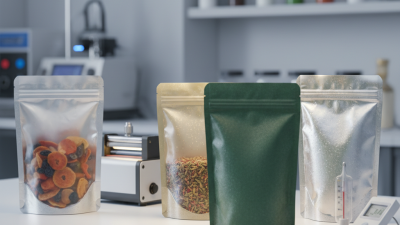
Doy packs differ in three practical ways: the film structure, the opening, and the shape customers handle. Common options include standard stand-up, zipper, press-to-close, spouted, windowed, kraft-look, matte-finish, foil-barrier, mono-material, and shaped-bottom packs. Some features overlap. A matte finish, for example, can sit on a high-barrier laminate.
Material choice should follow the product’s needs, not appearance alone. Foil structures can help protect contents from light and moisture, while clear windows show the contents on a shelf. But a window may complicate barrier performance. That trade-off is easy to overlook. Mono-material films can support recycling where suitable collection systems accept them, but the exact structure matters. Ask for product-specific data, not just a broad material label.
Closures change daily use. Zippers suit repeated access, while heat-sealed tops provide a firm initial seal. Spouts help with pourable contents, though they add weight and require a suitable filling process. Check the seal near the spout and test the pack after filling. Small details matter. A pouch that stands well when empty may lean once filled. Request filled samples, compare them on a shelf, and check opening force, leak resistance, and storage conditions before choosing a format.
A comparison of common material constructions used in stand-up pouches. Layer counts are illustrative; actual structures vary by supplier and product requirements.
More layers can combine different functions, such as printability, barrier protection, and sealing. Mono-material designs use a single primary polymer layer and may be designed to support recycling where suitable collection systems exist.
Doy packs vary in shape, barrier performance, and ease of use. A standard stand-up pouch suits dry snacks and powders, while a zipper pouch helps households reseal products between servings. A spout pouch works for pourable foods and drinks, but its fitment can increase material and filling costs. A pouch with a clear window lets shoppers inspect contents; use it only when light exposure will not harm product quality.
Foil-laminate doy packs provide strong barriers against moisture and oxygen for sensitive goods. Kraft-paper laminates offer a natural appearance, though the paper layer does not automatically make a pack recyclable. Mono-material pouches may be easier to sort in suitable recycling systems, but local collection access matters. Retort pouches are designed for heat processing, while freezer-grade pouches need materials that stay flexible at low temperatures. Check specifications with suppliers.
A shaped pouch can stand out on crowded shelves, yet unusual contours may complicate filling or packing. Small details matter. Buyers should compare product compatibility, seal strength, storage conditions, and transport needs before choosing a format. Request samples and test them on the intended filling line. One choice can disappoint. A glossy finish may look appealing but scuff during shipping, and a zipper can feel convenient while still making the pouch harder to empty. Real-world trials often reveal these trade-offs.
A practical comparison of ten doypack types starts with the filled product, not the shelf display. Standard and zipper pouches suit many dry goods; the zipper makes repeat use easier. Spouted packs pour liquids neatly, while windowed packs show contents but may limit barrier performance. Flat-bottom and side-gusset designs stand differently on shelves. Foil-laminate packs block light and moisture; retort pouches are built for validated heat processing. Mono-material and compostable options target different end-of-life routes. Details matter.
For protection, compare oxygen and moisture barriers, seal strength, and puncture resistance against the product’s real storage conditions. FAO estimated that 14% of food was lost between harvest and retail in 2019; packaging is only one factor, but poor protection can add avoidable loss. For sustainability, ask for material composition and local collection guidance. The OECD reported that just 9% of global plastic waste was recycled in 2019. That figure covers all plastics, not doypacks. A recyclable claim is not proof. Compostable packs also need the right collection and processing facilities, which may not be available to buyers. Request test data, and check the empty pack’s actual disposal route.
Choosing a doypack starts with the product, not the shelf. Dry snacks may need a moisture barrier and a resealable zipper; powders need a closure that limits spills. Oils and sauces often suit a spout, while products sensitive to oxygen or light may require stronger barrier layers. Match the pouch structure to the product’s real storage needs. Ask the packaging supplier for material and compatibility details, then test filled samples.
Consider how people will buy and use it. A wide base can help a pouch stand in a shop, while a tear notch makes opening easier without scissors. A clear window can show the contents, but it may reduce protection from light. Trade-offs matter. Also check shipping conditions, filling equipment, and local packaging and labeling requirements before settling on a format. A pouch that works well on a display may be awkward to pack or pour.
There is no perfect type. A zipper pouch, spouted pouch, window pouch, or high-barrier design each solves a different problem. Compare samples filled with the actual product, and watch for leaks, poor sealing, or difficult handling. Test it filled. Market preferences also vary: some buyers value easy resealing, while others prioritize compact storage or simple disposal. The first choice may be wrong, and that is useful information.
| Doy Pack Type | Typical Construction or Feature | Common Product Uses | Key Selection Considerations |
|---|---|---|---|
| 1. Standard Stand-Up Pouch | Flexible laminate with a bottom gusset; commonly made with PET, PE, or other product-compatible layers. | Dry snacks, grains, confectionery, powders, and household products. | A versatile option for shelf display. Select the barrier and sealant layers based on moisture, oxygen, aroma, and seal requirements. |
| 2. Zipper Stand-Up Pouch | Stand-up pouch with a press-to-close zipper and a separate top heat seal for initial opening protection. | Coffee, nuts, dried fruit, pet treats, and other products used over multiple occasions. | Check zipper performance with the product, filling line, and pack size. A zipper is generally a reclosure feature, not a substitute for the initial seal. |
| 3. Spouted Stand-Up Pouch | Flexible pouch fitted with a spout and cap, typically positioned at a top corner or center. | Sauces, purees, beverages, liquid detergents, and other pumpable products. | Match spout size and placement to product viscosity and filling equipment. Test for leakage, product compatibility, and transport conditions. |
| 4. Retort Stand-Up Pouch | Heat-resistant, multi-layer structure designed for a validated retort process; structures vary by product and process. | Shelf-stable meals, seafood, meat products, and prepared foods processed in-pack. | The complete pack must be validated for the specified time, temperature, and pressure. Confirm seal integrity and applicable food-contact requirements. |
| 5. Aluminum-Foil High-Barrier Pouch | Laminate incorporating an aluminum-foil layer to provide strong light, oxygen, and moisture protection when correctly converted and sealed. | Light- or oxygen-sensitive foods, coffee, powdered products, and selected non-food products. | Useful when high barrier is a priority, but the foil layer makes the pack a multi-material structure that may limit recycling options in some markets. |
| 6. Metallized-Film Pouch | Laminate using a thin metalized coating on a film; this is distinct from a pouch with a continuous aluminum-foil layer. | Snacks, dry foods, and products needing improved light and gas protection compared with many clear film structures. | Barrier performance depends on the film, coating, laminate, and seals. Request measured barrier data for the finished pack rather than assuming it matches foil. |
| 7. Transparent Barrier Pouch | Clear structure that may use coated or oxide-coated films to provide a barrier while keeping the product visible. | Visible snacks, dried foods, and products for which shoppers benefit from seeing the contents. | Barrier levels vary by construction and can be affected by flexing or handling. Confirm product shelf-life needs and test the finished package. |
| 8. Mono-Material PE Stand-Up Pouch | Pouch designed primarily with polyethylene-based layers, sometimes with compatible coatings or components. | Selected dry and flexible-packaging applications where PE structures can meet product and line requirements. | Recyclability depends on the full pack design and local collection and processing systems. Check barrier, stiffness, sealing, and zipper compatibility. |
| 9. Paper-Look or Paper-Laminate Pouch | Paper-faced laminate or printed film with a kraft-style appearance; barrier and seal layers are usually needed for product protection. | Tea, coffee, dry foods, and products seeking a paper-style shelf appearance. | A paper appearance does not mean the pack is paper-only or recyclable as paper. Confirm the actual material structure and local disposal guidance. |
| 10. Shaped or Window Stand-Up Pouch | Custom-cut pouch outline or a clear window incorporated into a stand-up format; material structure varies. | Specialty snacks, confectionery, pet products, and products where shelf visibility or distinctive presentation is important. | Check that the shape stands reliably and that a window does not compromise required barrier performance. Custom features can affect tooling, lead time, and cost. |
Selection note: Material examples are indicative, not universal specifications. Confirm product compatibility, shelf-life targets, filling and sealing conditions, transport needs, food-contact rules, and local packaging requirements for each destination market.
Interested in working with our team? Reach out to our team for a no-strings-attached consultation.
1 (833) PPC-FLEX
1111 Busch Pkwy
Buffalo Grove, IL 60089, USA