1111 Busch Pkwy, Buffalo Grove, IL 60089, USA

1 (833) PPC-FLEX

10 Best Poly Bags for Wholesale Packaging?

Wholesale packaging decisions are rarely small. A thin poly bags order can affect product protection, warehouse speed, freight costs, and customer impressions. The right choice depends on what goes inside, how it moves, and how often it is handled.

The OECD’s Global Plastics Outlook reports that the world generated 353 million tonnes of plastic waste in 2019. Packaging accounted for 40% of that total. This figure is a useful reminder: packaging performance matters, but material choices deserve careful thought. It does not mean every plastic package has the same footprint or end-of-life options.

For buyers, practical details come first. A bag holding a soft garment needs different strength and closure features from one protecting hardware with sharp edges. Film thickness, dimensions, seal quality, transparency, and carton quantity all shape the final result. Small differences add up.

This guide compares ten types of poly bags for wholesale packaging, including options for retail, shipping, storage, and bulk handling. It focuses on everyday purchasing criteria, rather than treating one bag as universally best. That judgment can be imperfect: supplier specifications and real-world performance do not always match. Request samples, check product compatibility, and verify relevant claims before placing a large order.
10 Best Poly Bags for Wholesale Packaging?

Poly Bags: Materials, Formats, and Wholesale Uses

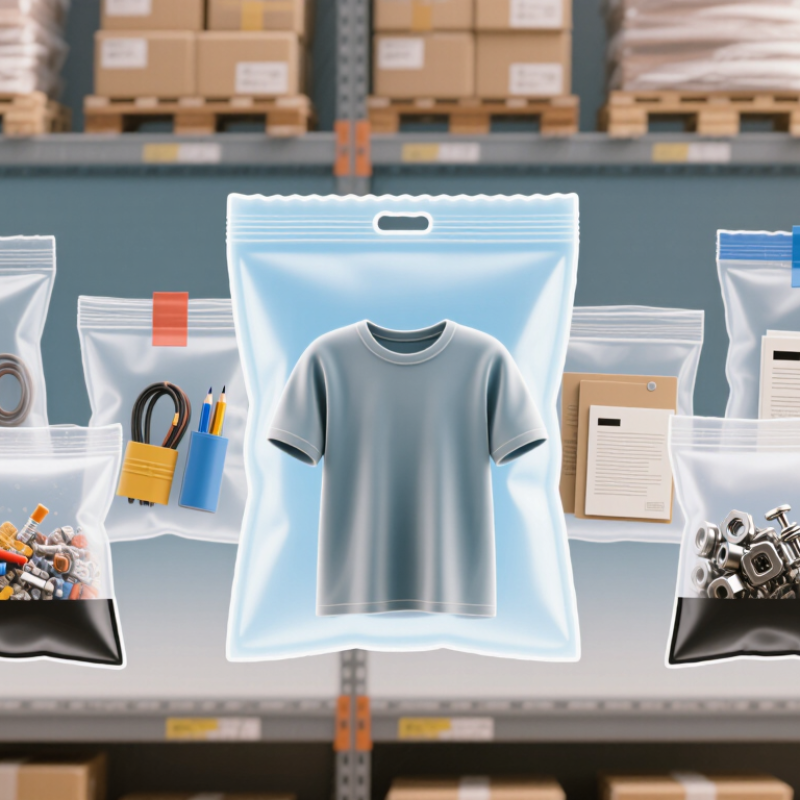
Poly bags vary by resin, thickness, and opening style, so the right choice depends on what the package must protect. Low-density polyethylene feels soft and flexible, while high-density polyethylene is crisper and often more economical for lightweight items. Measure the product before ordering; a bag that fits a folded T-shirt may not fit the same shirt with a cardboard insert. Check gauge or micron thickness, too, but test samples with your actual products. Numbers alone can be misleading.

Formats shape daily workflow. Flat bags suit labels, paper goods, and small components; gusseted bags expand around bulkier items. Reclosable bags help organize products that customers may handle more than once, while wicketed bags can speed up packing at a busy bench. Simple choices matter. For wholesale shipments, consider carton quantities, storage space, and how easily workers can separate bags with gloved hands. A slippery stack can slow packing more than expected.

Wholesale use also calls for clear specifications. Record bag dimensions, resin type, thickness, closure, and any printing needs on the purchase order. Ask for samples from the intended production run, then check seams and openings under normal handling. This takes time. I once assumed a thicker bag would solve punctures; the sharp product edge was the real problem. Sometimes added thickness helps, but corner protection or a different packing method may work better.
Key Criteria for Choosing Poly Bags for Bulk Packaging

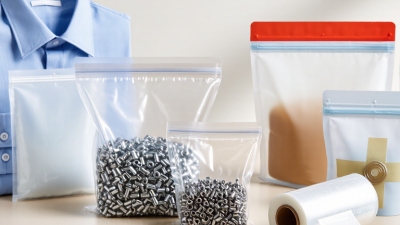
Choosing poly bags for bulk packaging starts with the product, not the price per case. Measure the item at its widest point, then allow room for easy loading and a clean seal. A bag that is too tight can split at the corners. Too much extra film wastes space and may look untidy. Check the thickness against the product’s weight and edges. A soft textile needs less puncture resistance than a metal part with a sharp corner. Still, thickness alone does not guarantee durability. Test a sample with the actual product.

Consider how bags will be filled, closed, stored, and shipped. A resealable closure can help with repeated access, while an open-top bag may suit fast packing lines. Clear film makes labels and contents easier to inspect. Need privacy? Choose an opaque option. Ask suppliers for dimensions, thickness, and material details in writing, then compare samples under normal handling conditions. Press the seal, stack filled bags, and check for wrinkles or leaks. Small details matter. One overlooked issue is storage: oversized cases can consume valuable shelf space, even when the unit price seems attractive. Record what works, and revisit the choice when product sizes or packing methods change.

Ten Poly Bag Types for Different Products and Applications

Choosing among poly bags is easier when the product’s shape and handling needs come first. Flat bags suit manuals, small parts, and items that stack neatly. Gusseted bags open wider for bulky goods, while wicketed bags help staff load produce or other items quickly. Perforated bags allow airflow, which can help keep some fresh products from trapping moisture. Check the hole size; more ventilation is not always better.

For retail and storage, header bags hang from display hooks, and garment bags cover folded clothing. Zipper bags work for kits or products opened more than once. Block-bottom bags stand upright on shelves. Opaque bags limit visibility, though they do not automatically protect contents from light or moisture. Anti-static bags are designed for sensitive electronic components; ordinary plastic is not a substitute. Small details matter. A few millimeters of extra width can make filling easier, but too much slack wastes material.

Match the film thickness and closure to the load, storage conditions, and packing speed. A heavy item may need stronger film, while a lightweight item may not. For products that touch food, confirm that the bag is suitable for the intended use. It is tempting to choose by price alone; I would not. Test a small batch first, because a bag that looks right on a sample can still wrinkle, split, or slow down the packing line.

Typical Poly Bag Thickness Ranges by Application

Bars show approximate common film thickness ranges in mil (1 mil = 0.001 inch). Actual requirements vary with product weight, dimensions, handling, and applicable regulations; confirm specifications with your packaging supplier.

Comparing Bag Strength, Closures, Clarity, and Compliance

Choosing poly bags in bulk starts with the load, not the advertised thickness. A bag holding folded shirts needs different strength from one carrying small metal parts. Compare stated film thickness, material, and dimensions, then test samples with your actual products. Feel the difference. Fill one bag, lift it by the top, and check for stretching or punctures around sharp corners. A single test is not proof, but it can expose obvious weaknesses before a large order.

Closures affect speed and protection. Press-seal bags suit repeated access, while plain open-top bags may work better for items packed into cartons. Clarity matters when staff need to identify contents quickly; haze or surface scuffs can make labels harder to read. I would not rank clarity above strength every time. The right trade-off depends on the packing line, and that can be easy to misjudge from a product photo. Small details matter. For regulated or sensitive applications, ask the supplier for current material specifications and relevant compliance documents. Check that they match your product, use, and shipping destination; a general claim may not cover every application. Keep the documents with your purchasing records.

10 Best Poly Bags for Wholesale Packaging? — Comparing Bag Strength, Closures, Clarity, and Compliance
Bag Type Typical Material Common Thickness Strength Profile Closure Clarity Common Wholesale Uses Compliance Considerations
Flat poly bag LDPE or LLDPE 1–4 mil Light to moderate; thicker film generally improves resistance, but performance also depends on resin and construction. Open top; sealed with tape, a heat sealer, or a tie. Clear options are widely available. Apparel, printed materials, small parts, and general merchandise. For food contact, confirm that the specific film and intended use meet applicable food-contact requirements. Check applicable warning rules for bags used around children.
Gusseted poly bag LDPE or LLDPE 1.5–4 mil Moderate; expandable sides or bottom accommodate bulky items, while load capacity depends on film, seals, and dimensions. Open top; commonly heat sealed or secured with a tie. Clear and translucent options are common. Bulky goods, textiles, components, and items needing extra packing volume. Verify the bag’s dimensions, seal strength, and intended-use requirements. Food-contact suitability is product- and use-specific.
Reclosable zipper bag LDPE or LLDPE 1.5–4 mil Light to moderate; the zipper provides repeated access, but it is not a substitute for a load-bearing seal. Press-to-close zipper track. Usually clear; colored and opaque versions are also available. Hardware, craft supplies, samples, small products, and organized kits. Do not assume a zipper bag is child-resistant, tamper-evident, or food-safe without relevant specifications and testing.
Slider-closure bag LDPE or LLDPE 2–4 mil Moderate; a slider can make repeated opening and closing easier, but closure performance varies by design. Track closure operated by a sliding tab. Generally clear. Reusable kits, larger parts, and products that customers access frequently. Check closure performance and any intended food-contact claims. A slider closure alone does not establish child resistance or tamper evidence.
Gusseted bottom-seal bag LDPE or LLDPE 2–6 mil Moderate to high for upright packing when properly sized and sealed; the bottom seal is a key performance point. Open top, typically heat sealed after filling. Clear options are available. Retail-ready bulk goods, textiles, and products packaged upright. Validate seal integrity and filled-package performance. Food-contact use requires confirmation for the specific film and application.
Poly mailer Coextruded polyethylene, often with an opaque outer layer Commonly about 2–3 mil overall Moderate; flexible film resists moisture, but sharp edges can puncture it and contents need suitable protection. Permanent pressure-sensitive adhesive strip. Usually opaque; some versions have a clear document pouch. Shipping soft goods, apparel, and non-fragile items. Check carrier and shipping requirements. The adhesive closure is not a certified tamper-evident feature unless specifically tested and represented as such.
Bubble-lined poly mailer Polyethylene outer film with polyethylene bubble cushioning Varies by outer film and cushioning construction Moderate cushioning and puncture protection; not a replacement for a rigid box for fragile or heavy products. Permanent pressure-sensitive adhesive strip. Typically opaque on the outside. Small, lightweight items needing cushioning during parcel shipment. Test packaging with the actual product and shipping conditions. Do not infer a specific drop-test or transit-protection rating from the bag type alone.
Anti-static bag Polyethylene film with an anti-static treatment or additive Commonly 2–4 mil Varies by construction; surface treatment and handling affect static performance. Open top, zipper, or heat-sealable format. Often pink or clear; appearance does not establish electrical protection. Packaging components in static-sensitive handling areas. Confirm the required electrostatic-control properties against the product’s ESD packaging specification and applicable ANSI/ESD guidance. Anti-static film is not necessarily a shielding bag.
Static-shielding bag Layered laminate, commonly including polymer films and a conductive or metallized layer Construction-specific; not directly comparable to a single-layer mil rating Designed to provide shielding when the specified construction and closure are intact; performance must be verified by specification or testing. Usually heat sealed; some versions include a zipper. Often metallic or translucent rather than optically clear. Packaging electronic components where electrostatic shielding is required. Match the bag to the ESD control plan and specified test criteria. Do not substitute an anti-static bag when shielding is required.
High-clarity polypropylene bag Polypropylene (PP) Commonly about 1–2 mil Good stiffness and display clarity; can be less forgiving than polyethylene under cold or impact conditions. Open top, adhesive flap, or heat seal, depending on format. High clarity and gloss are common characteristics. Retail presentation, stationery, printed items, and lightweight merchandise. Confirm that the exact grade and intended application meet any food-contact, labeling, or temperature requirements. Test seals before production use.

Selection note: Thickness ranges and performance descriptions are typical examples, not standardized ratings. Actual strength, clarity, closure performance, and compliance depend on the specific resin, bag dimensions, manufacturing process, intended use, and applicable regulations. Request current specifications and testing documentation before purchasing.

Wholesale Buying: Sizing, Customization, Pricing, and Storage

Wholesale poly bag buying starts with the product, not the catalog. Measure a packed item at its widest points, then allow room for seams, closures, and easy loading. A folded garment needs a different fit than a rigid part with sharp corners. Test a few sample sizes before placing a large order. Too much extra film can look untidy and increase shipping volume.

Customization may include printed instructions, a logo, or a distinct bag size. Keep artwork simple; fine details can lose clarity on flexible film. Ask suppliers for material thickness, tolerance ranges, and sample approval in writing. Pricing depends on dimensions, film type, order quantity, printing, and freight. Compare the delivered cost per usable bag, not just the quoted unit price. A low quote can hide setup fees or oversized cartons. I once underestimated storage space; the cartons arrived neatly, but they blocked a narrow packing aisle.

Plan storage before delivery. Keep bags dry, away from direct sunlight, and in their original cartons when practical. Use clear labels for size and lot details, then rotate older stock forward. Don’t stack cartons higher than your shelving can safely support. Small checks matter. Revisit usage after a few weeks, since real packing speed may differ from estimates.