1111 Busch Pkwy, Buffalo Grove, IL 60089, USA

1 (833) PPC-FLEX

How to Choose the Best Resealable Poly Bags for Your Products?

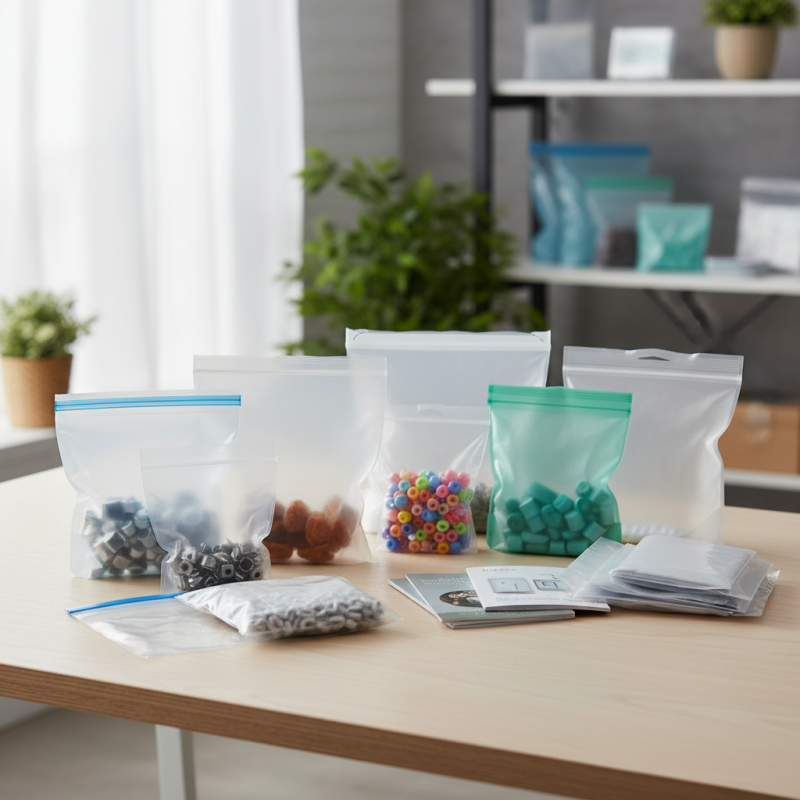
When selecting resealable poly bags for your products, several factors come into play. These bags offer convenience and security for packaging. Understanding the qualities of these bags can lead to better choices.

Quality matters. Not all resealable poly bags are created equal. Thickness, size, and sealing mechanism can vary widely. You may find bags that don’t seal properly or are too thin for your contents. Evaluating your product’s needs is crucial.

Additionally, there is a variety of resealable poly bags on the market. Researching different options could lead to unexpected findings. Some bags might not withstand different temperatures or environments. Pay attention to product compatibility to ensure quality and reliability. Your choice can significantly impact product integrity and customer satisfaction.
How to Choose the Best Resealable Poly Bags for Your Products?

Factors to Consider When Selecting Resealable Poly Bags for Packaging

Choosing the right resealable poly bags for your products is crucial. The design, material, and size are key factors. In recent studies, approximately 70% of consumers prefer eco-friendly packaging. This trend influences purchasing decisions, underscoring the need for sustainable options.

Material choice impacts product protection and customer satisfaction. Many poly bags are made from polyethylene, known for its durability. This material can withstand various temperatures and resist moisture. However, not all bags are created equal. Research shows that 30% of users report issues with poor seals, which can lead to product spoilage. Ensure you select bags with high-quality reseal features.
Tip: Test bag samples before bulk ordering. Evaluate their strength and seal reliability. Additionally, consider your products' dimensions carefully to avoid excess waste. Offering a snug fit enhances protection and customer experience. Often overlooked, the appearance of the poly bags can also affect customer perception. A well-designed bag communicates quality and professionalism. Investing time in selecting the right bag pays off in the long run.

Comparing Material Options for Resealable Poly Bags: Polyethylene vs. Polypropylene

When selecting resealable poly bags, material choice is crucial. Polyethylene (PE) and polypropylene (PP) are common options. According to a report by Freedonia Group, PE bags dominate the market, accounting for 65% of the total demand in the packaging industry. This popularity is due to PE's excellent flexibility and moisture barrier properties. Manufacturers appreciate how PE bags can adapt to various product shapes without losing integrity.

However, polypropylene offers distinct advantages. PP bags are stiffer and more transparent. They are often preferred for displaying products. A study from Smithers Pira reveals that PP packaging serves more upscale products, appealing to consumers' aesthetic tastes. Notably, PP provides better heat resistance, making it suitable for products that require a bit more durability.

While both materials have benefits, choosing the right one involves considerations beyond visual appeal. Environmental impact is a growing concern. PE is generally easier to recycle, while PP can be more challenging. An industry analysis shows a rising demand for sustainable materials. It prompts the need for reflection on the long-term implications of today's choices.

How to Choose the Best Resealable Poly Bags for Your Products?

Material Type Durability Clarity Recyclability Cost
Polyethylene Moderate High Yes Low
Polypropylene High Very High Yes Moderate

Understanding Bag Thickness: How It Affects Product Protection and Cost

Choosing the right resealable poly bags involves understanding how bag thickness impacts both product protection and cost. The thickness of a bag is measured in mils. A mil refers to a thousandth of an inch. Thicker bags often offer better protection against punctures and tears. However, they can also increase costs significantly.

For products that are fragile or sensitive, investing in thicker bags might be necessary. They provide an extra layer of security. On the other hand, if the items are durable, a thinner bag could suffice. It’s essential to strike a balance between protection and budget. When cost-cutting, many overlook the potential risks of using inadequate thickness for certain products.

It’s also worth noting that bag thickness affects the bag's flexibility. A very thick bag might not seal properly if the product is irregularly shaped. Consequently, testing different thicknesses with actual products may yield surprising results. Always gather feedback on how well the bags perform during shipping and storage. Reflection on these choices can lead to better decisions in the future.

Evaluating Seal Types: Zipper, Slide, and Adhesive for Resealable Bags

How to Choose the Best Resealable Poly Bags for Your Products?

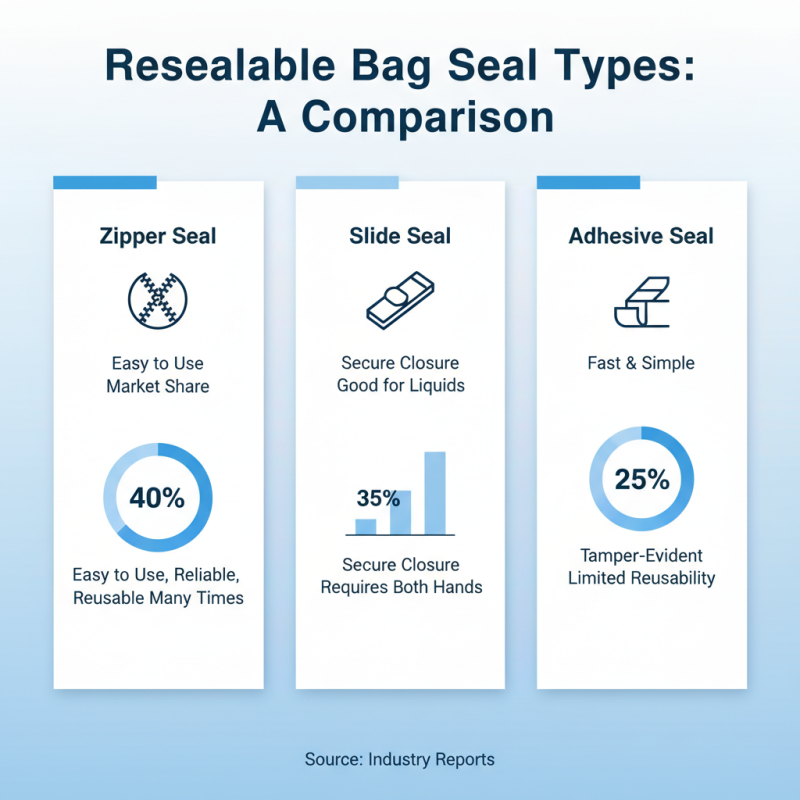
When selecting resealable poly bags, the seal type plays a vital role in usability and effectiveness. The common options include zipper, slide, and adhesive seals. Each type has its advantages and potential drawbacks. According to industry reports, zipper seals account for approximately 40% of the market due to their ease of use and reliability. These bags can be sealed and reopened multiple times without compromising their integrity.

Slide seals offer a unique design that allows for smooth opening and closing. They are often favored in food packaging, as they prevent spills and maintain freshness. However, they may not provide the same level of airtightness as zipper seals. A study from the Flexible Packaging Association highlights that adhesive seals can be effective for lightweight items. Yet, they can wear out over time and may not be suitable for repeated use.

Users should consider their specific needs when selecting a seal type. Just because a particular type is popular doesn't mean it is the best fit for every application. Some users have reported that zipper seals may sometimes fail if not correctly aligned. Testing various options is crucial to finding the ideal solution. Balancing convenience, security, and product suitability brings complexity to the selection process.

Environmental Impact of Resealable Poly Bags: Recycling and Sustainability Options

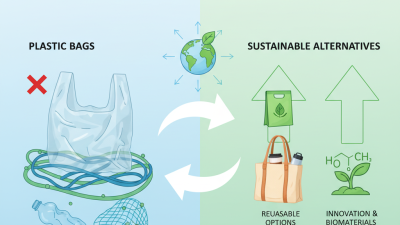
When selecting resealable poly bags, considering their environmental impact is crucial. These bags can contribute to plastic waste if not managed properly. Many people are unaware of the recycling options available for poly bags. It's essential to look for local programs that accept these materials. Not all recycling facilities accept all types, so check the guidelines.

Tips: Always clean and dry your bags before recycling. This increases the chances of them being accepted. Opt for bags made from recycled materials when possible. This choice supports the circular economy and reduces the need for new plastics.

Sustainability options are growing. Some manufacturers are creating biodegradable poly bags. While they can break down faster, proper conditions are still necessary for full degradation. Not every biodegradable option is created equal, so research brands that prioritize environmental responsibility. As you explore these bags, consider their lifecycle from production to disposal.

Tips: Engage with brands that share transparency in their sourcing and production methods. Your purchasing choices can influence the market and promote better practices. Remember, every small step towards sustainability counts in creating a healthier planet.