Why Choose Polythene Bags for Global Packaging Needs?
Across warehouses, retail counters, and export facilities, polythene bags remain a practical packaging choice. Their lightweight structure can reduce handling effort and storage pressure. A clear bag also lets workers identify contents without opening every package. This matters when speed and product visibility affect daily operations. Different grades, thicknesses, and closures support uses ranging from garment protection to component packing. Experienced packaging teams usually select the material after checking product weight, sharp edges, moisture exposure, and transport conditions. A thin bag may suit soft products, while heavier goods need stronger film. Small details matter.
Polythene bags can also support cleaner packing areas by helping separate products from dust and moisture. Their flexible format fits irregular shapes and reduces unused space around certain items. However, they are not perfect. That limitation matters. Material selection should consider reuse, collection systems, recycling access, and local packaging requirements. A low-cost option may create higher environmental or operational costs when chosen without planning. Reliable suppliers should provide clear specifications, consistent manufacturing quality, and practical guidance for international shipments. Buyers should confirm dimensions, sealing performance, load capacity, and documentation before placing large orders. Real packaging conditions can be less predictable than sample tests. Condensation, rough handling, and overfilled bags may expose weaknesses. Careful evaluation improves reliability. This guide explores why polythene bags continue to serve global packaging needs, while recognising where better materials or systems may be necessary.
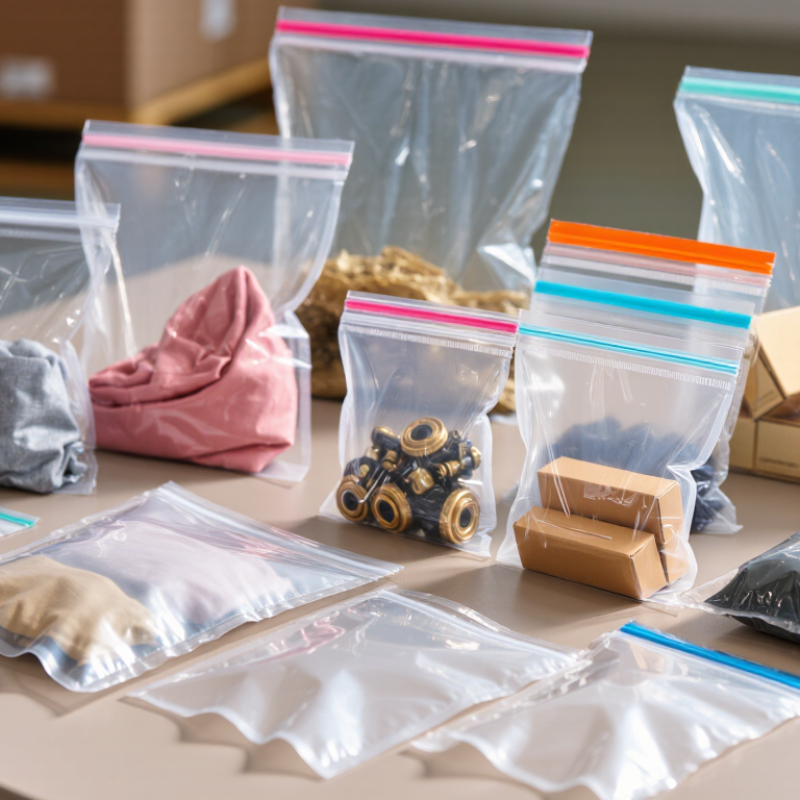
Polythene bags are flexible packaging made from polyethylene, a lightweight plastic polymer. They protect products from moisture, dust, and routine handling during storage and transport. Common grades include low-density polyethylene for soft, flexible bags and high-density polyethylene for stronger, crisper film. Each grade suits different packaging requirements.
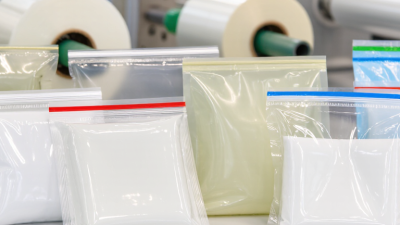
It starts with pellets. Manufacturers heat the pellets until they melt, then push the material through a circular die to form a thin tube. Air expands this tube into a film bubble. Rollers cool and flatten the film before it is cut, folded, and sealed into bags. Heat creates the seams, while machines add handles, openings, or selected thicknesses. Experienced operators monitor temperature, speed, and air pressure because small changes can affect clarity and strength.
Quality checks may test thickness, seal strength, dimensions, and resistance to tearing. A reliable supplier should document these controls and match the bag to its intended use. However, manufacturing is not flawless. Uneven cooling can create weak areas, and excessive thinness may reduce durability. Material efficiency also needs careful thought. Using less plastic can lower resource use, but a bag that fails early may create more waste. Recycled content can be suitable for some applications, although performance and regulatory requirements must be reviewed before production.
| Packaging Dimension | Data or Standard Fact | Why It Matters for Global Packaging | Common Application |
|---|---|---|---|
| Material Definition | Polythene, also called polyethylene, is a thermoplastic polymer made from ethylene. It is identified by resin identification codes such as #2 HDPE and #4 LDPE or LLDPE. | Different polyethylene grades can be selected for strength, flexibility, transparency, sealing performance, and load requirements. | Carrier bags, produce bags, refuse sacks, pallet covers, shipping mailers, and industrial liners. |
| Primary Manufacturing Method | Most polythene bags are produced by blown-film extrusion. Plastic pellets are melted, forced through a circular die, inflated into a tube, cooled, flattened, and cut or sealed. | Continuous extrusion supports efficient production of bags in different widths, thicknesses, and lengths. | Flat bags, gusseted bags, drawstring sacks, and tubular liners. |
| Alternative Film Process | Cast-film extrusion spreads molten polyethylene through a flat die onto a cooled roll, producing a film with controlled thickness and good clarity. | Cast film can provide consistent thickness and is useful when appearance, sealing, or dimensional control is important. | Clear packaging film, liners, stretch film, and specialty bags. |
| Low-Density Polyethylene (LDPE) | LDPE is generally flexible, soft, and highly sealable. Its density is commonly about 0.910–0.940 g/cm³. | Flexibility helps the bag conform to irregular products, while heat-sealing supports leak-resistant packaging. | Food bags, garment bags, freezer bags, and flexible protective packaging. |
| High-Density Polyethylene (HDPE) | HDPE is generally stiffer and stronger than LDPE. Its density is commonly about 0.940–0.970 g/cm³. | Higher stiffness and strength can help reduce film thickness while maintaining practical carrying performance. | Grocery sacks, refuse bags, industrial bags, and thin produce bags. |
| Linear Low-Density Polyethylene (LLDPE) | LLDPE combines flexibility with strong puncture and tear resistance and is frequently used in thin films. | Improved toughness can help protect contents during handling, transport, and storage. | Stretch film, pallet covers, heavy-duty liners, and shipping bags. |
| Typical Film Thickness | Commercial polyethylene films may range from approximately 10 to 200 micrometres (µm), depending on the product and performance requirements. | Thickness can be adjusted to balance material use, strength, barrier performance, and cost. Exact specifications must be set for the intended use. | Thin produce bags, retail bags, industrial liners, and heavy-duty sacks. |
| Moisture Resistance | Polyethylene has very low water absorption and provides an effective moisture barrier for many ordinary packaging applications. | Moisture resistance helps protect products from humidity, splashes, and contact with wet surfaces. | Outer liners, agricultural packaging, waste sacks, and damp-environment packaging. |
| Chemical Resistance | Polyethylene is resistant to many diluted acids, alkalis, salts, and water-based substances, although compatibility depends on concentration, temperature, and exposure time. | Material selection can be matched to the contents to reduce leakage and package degradation risks. | Chemical liners, cleaning-product packaging, laboratory waste bags, and industrial containers. |
| Heat-Sealing Range | Many polyethylene films are heat-sealed within an approximate range of 120–180°C, but the correct setting depends on resin grade, film thickness, machine speed, and equipment. | Reliable sealing helps prevent spills, contamination, and accidental opening during distribution. | Form-fill-seal bags, food packaging, medical outer packaging, and industrial liners. |
| Strength-to-Weight Potential | Film thickness can be engineered to suit the required load, puncture resistance, and tear resistance rather than using one standard thickness for every bag. | Lightweight designs may reduce material consumption and transport weight when they still meet performance requirements. | Retail sacks, mailers, produce bags, and shipment liners. |
| Customization Options | Bag dimensions, gusset depth, thickness, opacity, color, handles, perforations, closures, and printing can be adjusted during converting. | Customization allows one material family to serve different products, filling systems, and logistics conditions. | Retail packaging, e-commerce mailers, apparel packaging, and industrial packaging. |
| Recycling Identification | HDPE is commonly marked with resin identification code #2. LDPE and LLDPE are commonly associated with code #4. The code identifies the resin type and does not guarantee local recycling acceptance. | Correct identification supports sorting and helps packaging users check local collection requirements. | Household bags, commercial films, agricultural films, and transport packaging. |
| Recyclability Consideration | Clean, dry polyethylene film may be recyclable through suitable film-recycling systems. Food residue, mixed materials, labels, and additives can affect acceptance. | Packaging design and disposal instructions should reflect the recycling infrastructure available in the target market. | Post-use retail film, shipping film, pallet wrap, and selected industrial packaging. |
| End-of-Life Planning | Reuse, mechanical recycling, and recovery options should be assessed before disposal. Local regulations and collection systems vary by country and region. | End-of-life planning improves environmental performance and helps prevent recyclable film from entering general waste streams. | Reusable shopping bags, returnable liners, commercial collection programs, and transport packaging. |