Choosing a polythene bags manufacturer in China involves more than comparing unit prices. Buyers need to assess film thickness, seal strength, print consistency, and production capacity. A sample may look excellent under bright showroom lights. The real test comes after repeated handling, packing, and transport.
The OECD’s Global Plastics Outlook (2022) reports that the world generated 353 million tonnes of plastic waste in 2019, and only 9% was ultimately recycled. This figure covers plastics broadly, not polythene bags alone, but it highlights why material use and waste planning deserve careful attention. Buyers should ask suppliers about recycled-content options, material specifications, and how those options affect strength and appearance. Claims need clear documentation.
This guide introduces ten Chinese manufacturers for buyers to investigate, rather than presenting an official industry ranking. It considers product range, customization, quality controls, export experience, and communication. Ask for current specifications, production samples, and relevant test records. Check whether the factory can reproduce the same thickness and color across repeat orders. Small details matter. No shortlist can replace a factory audit; even a polished catalog may not reveal inconsistent sealing or delayed updates. Compare suppliers against your actual order needs, then confirm every important detail in writing. A little extra checking now can prevent costly surprises later.
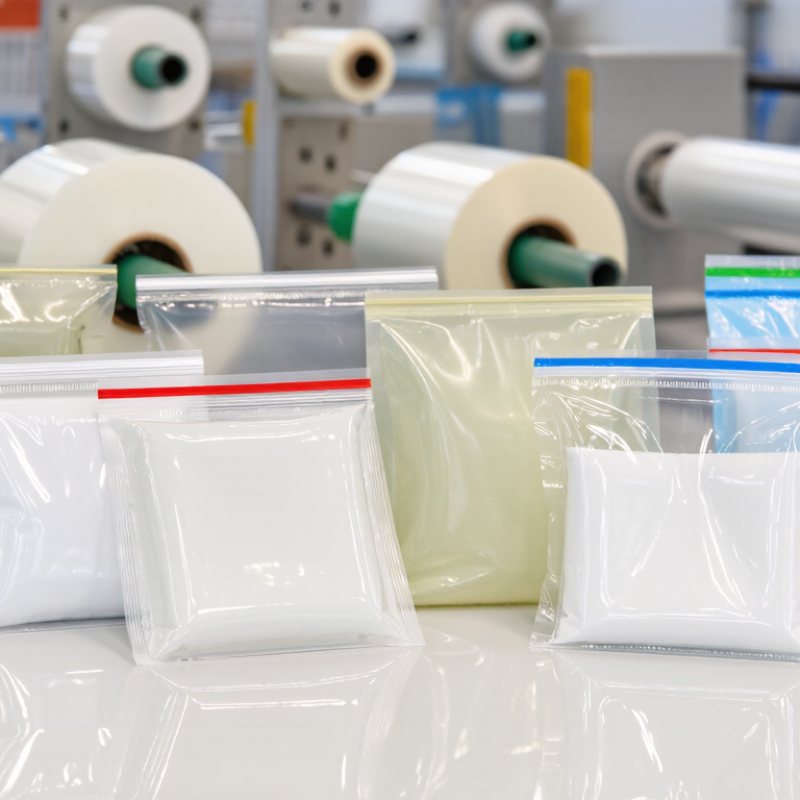
Polythene bags are flexible packaging made from polyethylene film. Buyers often use “polythene” and “polyethylene” to describe the same material family. The right bag depends on what it must hold, how it will be packed, and how it will be handled. A thin produce bag feels very different from a heavy-duty sack. Small details matter.
Common options include low-density polyethylene bags, which feel softer and more flexible, and high-density polyethylene bags, which are often thinner and crisper. Buyers can also source flat bags, gusseted bags, carrier bags, and resealable styles. A gusset adds room for bulky items, while a flat bag suits neat, compact products. Ask suppliers to state dimensions, film thickness, seal type, and load expectations clearly. Terms and testing methods may vary, so a sample can reveal things a specification misses. That part is easy to overlook.
Tips: Compare samples using the actual product, not an empty bag. Check the seams, opening, and fit after packing. If the bag stretches or tears during a simple handling test, revisit the material and thickness. More plastic is not automatically better; it can add cost without solving the real problem. Decide what matters most before requesting quotes.
Evaluating Chinese polythene bag manufacturers takes more than comparing quoted prices. Request a current specification sheet covering resin type, bag dimensions, thickness, seal strength, print tolerance, and permitted thickness variation. Ask how thickness is measured; a micrometer check at several points can reveal uneven film that a single measurement misses. Request samples from a normal production run, not only polished sales samples. Test the seams with a filled bag and rub printed areas with a dry cloth. Small checks matter.
Capacity claims also need evidence. Ask for production lead times, minimum order quantities, quality inspection records, and a clear process for handling defects. For repeat orders, confirm that the approved sample and written specifications are retained. The OECD’s Global Plastics Outlook (2022) reports that packaging generated about 40% of global plastic waste in 2019. That figure makes material choices worth checking, but broad “eco-friendly” claims are not enough. Request documented information on recycled content and material composition, then verify that it matches the product you are buying. Easy to overlook. Factory audits can help, yet one visit cannot prove every batch will be consistent. A practical buyer should compare records, samples, and production controls—and leave room for occasional variation.
China’s polythene bag sector includes manufacturers with different specialties. One profile focuses on lightweight retail carriers; another makes perforated produce bags. A third supplies courier mailers with peel-and-seal strips, while a fourth produces drawstring refuse sacks. Other profiles include garment-cover makers, handled shopping-bag producers, and factories supplying plain warehouse liners. Custom-printing workshops, agricultural bag converters, and manufacturers of thicker industrial sacks complete this practical group of ten. These are supplier types, not a verified ranking. Capabilities, equipment, and quality controls differ by factory.
Buyers should compare bag dimensions, thickness tolerance, sealing strength, and printing consistency. Ask for recent production samples and clarify minimum order quantities, lead times, and packaging details. A neat sample can still hide uneven sealing in a larger batch. Request relevant test records, then confirm that they match the intended use. Small details matter.
Tips: Check how the factory measures thickness. Ask whether samples come from regular production, not a special run. Reflect on whether the lowest quote leaves enough room for dependable inspection.
These are product-specialist profiles for comparing Chinese suppliers, not named or ranked companies. Product availability, production capability, minimum order quantities, lead times, and certifications vary by factory and must be confirmed directly with each supplier.
| No. | Manufacturer Profile | Common Product Focus | Typical Material Options | Buyer Applications | Key Specifications to Confirm | Useful Supplier Checks |
|---|---|---|---|---|---|---|
| 1 | Retail carrier bag specialist | Flat-handle, vest-style, and die-cut shopping bags | HDPE, LDPE, or blends, depending on the required feel and strength | Retail shops, grocery stores, and takeaway businesses | Bag dimensions, film thickness, handle strength, print area, and packing format | Request samples, artwork proof, and test results for load and handle performance. |
| 2 | Garbage bag and refuse sack specialist | Roll bags, flat-pack sacks, drawstring bags, and heavy-duty refuse sacks | Usually PE film; resin blend and recycled content should be specified | Households, offices, hospitality, and facility-management buyers | Finished dimensions, thickness, perforation, seal type, roll count, and intended load | Check leak resistance, seal quality, and whether recycled-content claims are documented. |
| 3 | Food-contact packaging bag specialist | Food storage bags, produce bags, and food-packaging pouches | Food-contact-grade PE options, subject to the intended use and applicable rules | Food processors, retailers, and food-service operators | Food type, contact conditions, dimensions, thickness, seal, and printing requirements | Obtain current food-contact compliance documents for the destination market and intended use. |
| 4 | Resealable bag specialist | Press-to-close bags and other reusable-seal PE bags | Commonly LDPE or LLDPE film; construction depends on clarity and strength needs | Retail packaging, small parts, stationery, and household storage | Bag size, film thickness, closure type, opening feel, clarity, and print placement | Test the closure over repeated use and inspect seal consistency across samples. |
| 5 | Courier mailer and shipping bag specialist | Self-seal mailing bags, security mailers, and document pouches | PE film, often with an opaque or co-extruded construction | E-commerce sellers, fulfilment operations, and parcel shippers | External and usable dimensions, adhesive strip, opacity, tear resistance, and pouch options | Check adhesive performance, tamper evidence, and compatibility with shipping labels. |
| 6 | Garment packaging bag specialist | Apparel bags, garment covers, and bags with hanger or ventilation features | LDPE or other PE film grades selected for clarity and flexibility | Clothing manufacturers, wholesalers, and online fashion retailers | Garment dimensions, thickness, ventilation, warning text, closure, and print | Confirm any required suffocation warnings and packaging rules for the target market. |
| 7 | Agricultural PE bag and film-packaging specialist | Produce sacks, nursery bags, and packaging for agricultural goods | PE film grades selected for the product, handling conditions, and required durability | Produce growers, agricultural distributors, and packing operations | Dimensions, thickness, ventilation, UV-related requirements, and load conditions | Specify storage and exposure conditions; request samples suited to the actual use environment. |
| 8 | Heavy-duty industrial bag specialist | Large PE sacks, liners, and custom industrial bags | HDPE, LDPE, LLDPE, or blends, depending on impact and puncture requirements | Manufacturing, warehousing, and bulk-material handling | Bag capacity, dimensions, thickness, sealing, puncture resistance, and handling method | Agree on a test method and evaluate filled samples under representative handling conditions. |
| 9 | Printed custom-bag specialist | Custom-printed shopping, packaging, and promotional bags | PE film selected according to the bag style, print needs, and performance target | Brands, retailers, events, and distributors | Artwork format, colors, print coverage, dimensions, thickness, and color consistency | Approve a production proof and clarify print tolerances, plate charges, and repeat-order controls. |
| 10 | Recycled-content PE bag specialist | Selected carrier, refuse, and general-purpose bags made with recycled-content material | Recycled PE or a specified recycled/virgin PE blend, where suitable for the application | Buyers with documented recycled-content or resource-efficiency requirements | Recycled-content percentage, material consistency, color, odor, strength, and intended use | Request traceability and supporting evidence for recycled-content claims; confirm suitability for the application. |
A useful comparison starts with the bag, not the factory’s headline claims. Manufacturers may offer carrier bags, produce bags, refuse sacks, mailing bags, and pallet liners. Compare film thickness, bag dimensions, handle style, sealing method, and printing options. A thin produce bag and a heavy-duty liner need different materials and production controls. Fit varies.
The OECD’s Global Plastics Outlook reports that packaging generated 142 million tonnes of plastic waste in 2019, about 40% of total plastic waste. This figure is a sector-wide warning, not proof of any supplier’s environmental performance. Buyers should compare recycled-material options and request clear specifications.
On the capability side, check thickness tolerances, load-test methods, color consistency, sample lead times, and batch traceability. A polished catalog rarely shows how a factory handles an urgent change or a rejected batch. That part can be easy to overlook.
Tips: Request samples made to your target dimensions. Ask for test records and written tolerances, then compare like with like. Confirm whether quoted capacity applies to your exact bag type and order size. Production claims can sound convincing; independent checks matter.
Before ordering, confirm the bag’s intended use, dimensions, and load—not just its appearance. A glossy sample can hide weak seals or inconsistent thickness. OECD’s Global Plastics Outlook reports that packaging generated about 40% of global plastic waste in 2019. That makes material choice and end-of-life claims worth checking carefully. Ask for the resin type, recycled-content percentage, and supporting test records. Looks are not enough.
Request a specification sheet covering thickness tolerance, bag dimensions, handle strength, and sealing performance. Ask how these values are tested and whether the method matches your application. For film, ASTM D882 measures tensile properties; it does not prove that a finished bag will carry your product safely. Test production samples under realistic conditions: load them, lift them, and check the seams. Test the seal. Record any failures, even small ones.
Before approving a bulk order, confirm the sample matches the quoted specification and that changes require written approval. Agree on tolerances, inspection frequency, defect handling, lead time, and packaging details. Ask for a recent quality report tied to the production lot, not a generic certificate. A factory’s first sample may be excellent; consistency is the harder part. I would also keep a sealed reference sample, since memory is a poor measuring tool. These checks cannot remove every risk, but they make surprises easier to trace.
The chart counts the individual confirmation fields in a practical pre-order checklist. These are checklist counts, not supplier ratings or market statistics.
Interested in working with our team? Reach out to our team for a no-strings-attached consultation.
1 (833) PPC-FLEX
1111 Busch Pkwy
Buffalo Grove, IL 60089, USA