1111 Busch Pkwy, Buffalo Grove, IL 60089, USA

1 (833) PPC-FLEX

Top Types of Poly Plastic Bags for Global Buyers

Choosing the right poly plastic bags requires more than comparing prices or printed designs. Global buyers must examine material, thickness, closure style, load capacity, and end-use conditions. A thin LDPE bag may suit garments or bakery items. A stronger HDPE sack may better protect hardware, powders, or retail goods. Small details matter. A weak seal can ruin an entire shipment.

Robert Lilienfeld, a recognized packaging sustainability expert, has said, “The most sustainable package is the one that does the job with the least amount of material.” This principle remains practical for buyers. It encourages suppliers to reduce unnecessary plastic without sacrificing protection. During sourcing, ask for film specifications, seal-strength data, production samples, and clear information about recycled content. Check whether the bag tolerates heat, moisture, pressure, and repeated handling. A glossy sample can look excellent. It may still fail beside a warehouse loading dock.

This guide examines common poly plastic bags for international purchasing. It covers flat bags, gusseted bags, zip bags, drawstring bags, courier mailers, and heavy-duty industrial options. Each type has useful strengths and noticeable limitations. No bag is perfect. A cheaper option may create more waste through breakage, while a thicker option may increase material use without adding real value. Buyers should also confirm food-contact suitability, labeling requirements, and recycling claims in the destination market. Supplier audits and pre-shipment testing add confidence. They do not remove every risk. That is the part worth remembering. Practical decisions often improve when specifications are questioned twice.
Top Types of Poly Plastic Bags for Global Buyers

Poly Plastic Bag Materials and Core Performance Features

Poly plastic bags begin with the resin choice. Low-density polyethylene offers softness, flexibility, and good transparency. Linear low-density polyethylene usually provides stronger stretch and puncture resistance. High-density polyethylene creates a firmer bag with better stiffness and a crisp feel. Recycled polyethylene can reduce material demand, but its performance may vary between batches. Buyers should request resin details, recycled content, and traceability records.

Core performance depends on more than thickness. Tensile strength shows how well a bag handles pulling forces. Puncture resistance matters when packaging has sharp corners. Seal strength protects contents during transport and storage. Clarity supports product visibility, while opacity improves privacy and light protection. Some bags also require moisture resistance, controlled slip, or reliable printing adhesion. These features should match the product, not merely the lowest quotation.

Testing should reflect real handling conditions. A specification sheet is useful, but sample trials reveal practical weaknesses. Check seals after filling, stacking, and temperature changes. A thinner bag may reduce shipping weight, yet it can fail under uneven loads. That trade-off is easy to miss. Ask for thickness tolerance, test methods, and inspection frequency. Performance can still vary. For global purchasing, consistent documentation and repeatable quality checks support dependable decisions across different production batches.

Common Poly Plastic Bag Types and Their Typical Applications

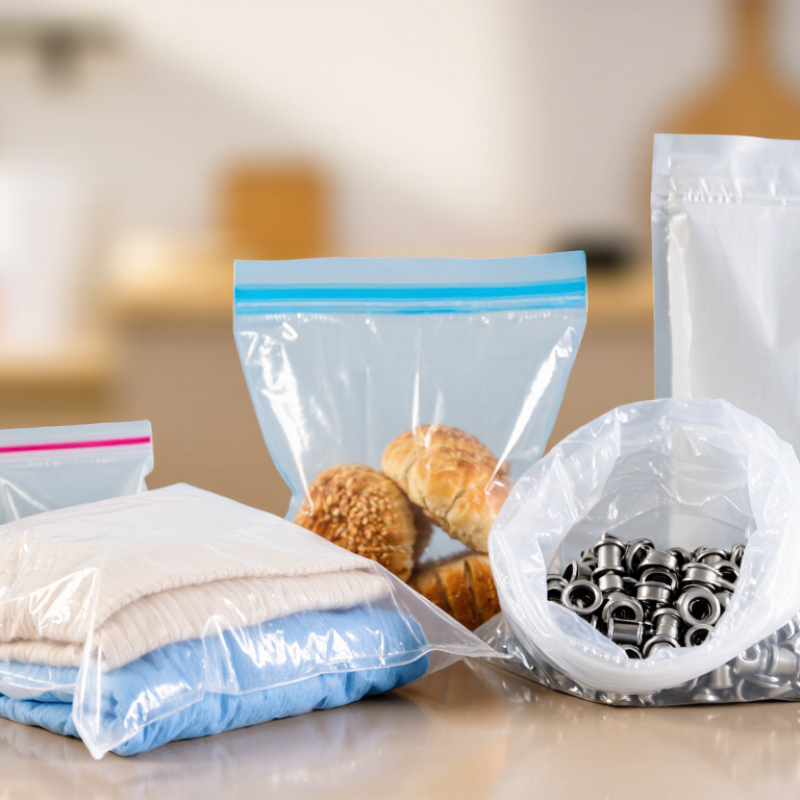
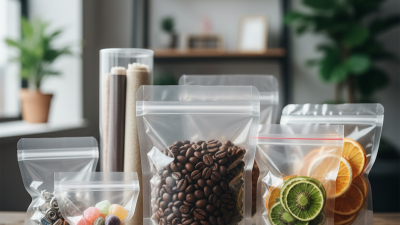
Poly plastic bags serve different supply-chain needs, not one universal purpose. Low-density polyethylene (LDPE) bags are soft, clear, and flexible. They suit garments, bakery items, and light retail products. High-density polyethylene (HDPE) bags feel crisper and resist punctures better. Grocery liners, produce bags, and refuse sacks often use this structure. Linear low-density polyethylene (LLDPE) adds stretch and toughness. It performs well for heavier loads and irregular shapes.

Bag construction changes performance. Flat bags work for documents, textiles, and small components. Gusseted bags expand around bulky products, such as bedding or agricultural goods. Zip bags support repeated opening during storage. Wicketed bags help fast packing lines, especially for bread and prepared foods. Barrier laminates reduce oxygen, moisture, or odor transfer. However, barrier performance depends on film thickness, seals, and storage conditions. A strong film can still fail at a weak corner.

The OECD Global Plastics Outlook reports that packaging generated about 40% of global plastic waste in 2019. UNEP’s 2023 Turning off the Tap report identifies packaging as the largest single-use plastic application, at roughly 36% of production. These figures make material selection more important for global buyers. Request thickness, seal strength, load testing, and applicable food-contact documentation. Do not judge quality by appearance alone. I have seen attractive bags split under cold storage. That detail is easy to miss. Recycled content, recyclability, and local collection systems also require separate verification, because a technically recyclable bag may lack practical recovery routes.

Top Types of Poly Plastic Bags for Global Buyers - Common Poly Plastic Bag Types and Their Typical Applications

A practical comparison of commonly purchased polyethylene and polypropylene bag formats

Poly Plastic Bag Type Common Material Typical Thickness Key Construction Features Typical Applications Main Advantages Important Buying Considerations
T-Shirt Shopping Bags HDPE or recycled HDPE Approximately 8–25 microns Die-cut handles, side gussets, bottom seal, often printed Retail checkout, takeaway food, convenience stores, small grocery purchases Low cost, lightweight, efficient to stack and dispense, good carrying capacity for its weight Check local regulations on single-use plastic bags, handle strength, load rating, and recycled-content requirements
Flat Poly Bags LDPE, LLDPE, or HDPE Approximately 25–150 microns Three sealed sides with an open top; may include a flap, hanger hole, or adhesive strip Garments, stationery, spare parts, printed materials, small industrial components Simple design, clear product visibility, flexible sizing, economical for high-volume packing Select film thickness according to puncture risk; specify opening size, seal width, and optional closure method
Gusseted Poly Bags LDPE or LLDPE Approximately 40–200 microns Side or bottom gussets create extra volume; commonly supplied with an open top or resealable closure Large garments, bedding, bulky components, food ingredients, and irregular-shaped products Expands around bulky products, offers better capacity than a flat bag, and can improve packing efficiency Measure the product in its packed shape; confirm gusset depth, lay-flat width, seal strength, and bag circumference
Heavy-Duty Poly Bags LLDPE, LDPE, or multilayer polyethylene Approximately 100–300 microns Thick film, reinforced seals, optional handles, bottom gussets, or perforated tear-off formats Construction materials, machinery parts, industrial waste, sharp-edged products, and export packaging Higher puncture resistance, tear resistance, and load-bearing performance than light-gauge bags Request drop-test or load-test data where relevant; sharp edges may still require inner protection
Drawstring Trash Bags LLDPE or recycled polyethylene Approximately 20–80 microns Integrated drawstring or tie handles, star-sealed or flat-sealed bottom, often supplied on rolls Household waste, office bins, hospitality facilities, healthcare non-sharp general waste Easy closure, clean removal from bins, convenient roll dispensing, and good flexibility Confirm volume in liters, bag dimensions, seal style, odor-control claims, and applicable waste-handling rules
Produce and Food Storage Bags Food-contact-grade LDPE, HDPE, or LLDPE Approximately 8–50 microns Open-mouth bags, perforated film, wicketed formats, or resealable designs Fruit and vegetables, bakery items, frozen foods, household food storage, and food-service preparation Lightweight, moisture resistant, transparent, and available with ventilation perforations Require food-contact compliance for the destination market; check odor, migration, sealing, and temperature requirements
Ziplock and Resealable Bags LDPE or LLDPE Approximately 40–120 microns Press-to-close profile, zipper track, or slider closure; optional write-on panel or hanging hole Hardware, electronic accessories, craft supplies, small parts, documents, and food storage Reusable for multiple openings, protects contents from dust and moisture, and provides quick product access Check closure-cycle performance, seal integrity, clarity, dimensions, and compatibility with the packed product
Courier and Mailer Bags Co-extruded LDPE or LLDPE Approximately 50–100 microns Self-adhesive permanent flap, opaque outer layer, tamper-evident seal, and optional document pouch E-commerce garments, soft goods, documents, catalogs, and non-fragile parcel shipments Lightweight, water resistant, space efficient, and more difficult to open without visible damage Specify adhesive strength, opacity, tear resistance, return-strip options, and destination recycling requirements
Wicketed Poly Bags LDPE or HDPE Approximately 25–100 microns Multiple bags stacked on a wicket wire or plastic strip for rapid automatic or manual dispensing Bakery packaging, garment packing, paper products, and high-speed production lines Fast dispensing, consistent presentation, and compatibility with automated packing equipment Confirm wicket spacing, opening orientation, bag count per bundle, machine compatibility, and vent-hole requirements
Block-Head and Loop-Handle Bags HDPE or LDPE Approximately 20–70 microns Attached handle loops or block-mounted handles; may include gussets and reinforced seals Retail shopping, apparel, promotional distribution, and takeaway service Comfortable carrying handle, easy branding or labeling area, and professional retail presentation Test handle attachment and top-seal strength; confirm handle length and ergonomic load requirements
Polypropylene Merchandise Bags Cast polypropylene (CPP) or oriented polypropylene (OPP) Approximately 20–80 microns Clear, glossy film with heat seal; may include adhesive flap, header card, or euro slot Textiles, stationery, gift items, printed products, and retail display packaging High clarity, attractive gloss, good surface presentation, and effective product visibility Confirm whether the film is CPP or OPP, as stiffness, sealability, and temperature performance differ
Vacuum and Barrier Pouches Multilayer polyethylene-based film, often combined with barrier layers Approximately 70–180 microns Heat-sealable multilayer structure designed for air removal and tight sealing Meat, seafood, cheese, prepared foods, and selected non-food products requiring reduced air exposure Helps limit air contact, protects against moisture, and can extend product presentation life when correctly specified Confirm food-contact approval, oxygen and moisture barrier values, puncture resistance, sealing temperature, and equipment compatibility

Typical thickness ranges are indicative only. Final specifications should be selected according to product weight, dimensions, handling conditions, sealing equipment, regulations, and end-market requirements.

Bag Sizes, Thicknesses, Closures, and Customization Options

Poly plastic bags vary widely in size, thickness, closure, and end use. A buyer shipping garments may choose a 12 x 16 inch bag, while bulk components often need 24 x 36 inches. Dimensions should include usable internal space, not only the outside measurement. A few extra centimeters can prevent damaged corners and forced loading.

Thickness affects strength, clarity, flexibility, and cost. Lightweight bags may use 30–50 microns, while heavier industrial packaging often exceeds 100 microns. These figures are starting points, not universal rules. Product weight, sharp edges, drop height, and storage temperature matter more than thickness alone.

Testing seal strength and puncture resistance is essential. ASTM D882 and ASTM D1709 provide useful methods for evaluating film performance.

Closures should match handling conditions. Press-to-close tracks suit repeated access, adhesive flaps support quick fulfillment, and heat seals provide stronger tamper evidence. Custom options include printed warnings, barcodes, gussets, perforations, hanging holes, and recycled-content films. However, every added feature can affect sealing or recyclability.

The OECD’s Global Plastics Outlook reported 353 million tonnes of plastic waste in 2019, with only 9% recycled. The United Nations also estimates that humanity produces over 430 million tonnes of plastic annually. These figures make material efficiency important. A thinner bag is not automatically better. A failed shipment creates more waste. Buyers should request samples, verify measurements, and review test reports before approving volume production. Mistakes still happen. That is why specifications should leave room for real handling conditions.

Global Packaging Standards, Compliance, and Quality Requirements

Top Types of Poly Plastic Bags for Global Buyers

Global buyers usually choose LDPE, HDPE, or LLDPE bags according to product weight, flexibility, and handling conditions. LDPE bags feel softer and suit garments, produce, and general retail packing. HDPE bags offer greater stiffness and puncture resistance. LLDPE film often provides better stretch performance for demanding loads. Flat bags, gusseted bags, zipper bags, and wicketed bags support different packing lines.

Details matter. Packaging compliance starts with the destination market and the product’s intended use. Food-contact bags may require migration testing, approved raw materials, and traceable production records. Reusable or recycled-content claims need reliable evidence, not attractive wording. Buyers should request thickness tolerances, tensile strength, tear resistance, seal strength, and odor test results. A clear certificate of analysis helps connect each result to a specific production batch.

Factory audits should review hygiene, calibration, raw-material storage, and corrective-action records. Pre-shipment samples can confirm dimensions, printing clarity, and seal performance. However, samples can mislead. Film consistency may change during mass production, especially when recycled materials or color additives are introduced. I have seen specifications focus on thickness while ignoring weak seals. That is a costly oversight. Written approval should cover material grade, bag dimensions, closure style, packing quantity, and acceptable defect limits before production begins.

How International Buyers Select Reliable Poly Bag Suppliers

Top Types of Poly Plastic Bags for Global Buyers

International buyers usually compare LDPE, HDPE, and co-extruded poly bags by application. LDPE offers flexibility and clearer presentation. HDPE provides stronger stiffness and a crisp feel. Co-extruded structures can balance puncture resistance, sealing, and barrier performance. The right choice starts with product weight, edge sharpness, humidity, and shipping distance.

Supplier reliability requires evidence, not attractive samples. OECD’s Global Plastics Outlook reports 460 million tonnes of plastic production in 2019. Packaging represented about 40% of plastic waste. This makes material efficiency and responsible sourcing important purchasing factors. Buyers should request gauge measurements, tensile and tear results, seal-strength tests, and batch-specific certificates. For sensitive applications, applicable food-contact or chemical compliance documents must match the destination market.

A factory audit should examine resin records, in-process inspections, warehouse conditions, and corrective-action history. The World Bank’s 2023 Logistics Performance Index assesses customs, infrastructure, tracking, and delivery timeliness. These factors affect whether bags arrive before production stops. I also recommend a controlled pilot order. Spreadsheets can hide weak seals. A low price can still become expensive when cartons arrive crushed or dimensions vary. One detail is often missed: ask how rejected rolls are identified and isolated. No checklist is perfect. Suppliers should explain limitations clearly, rather than promise flawless performance.