Choosing the best clear bags for packaging from China requires more than comparing factory prices. Material, seal strength, thickness, print quality, and product protection matter equally. A bag that looks bright under showroom lights may split beside a warehouse pallet. That mistake is expensive.
Smithers’ The Future of Global Flexible Packaging to 2028 reports continued growth in flexible packaging, supported by convenience, lightweight design, and efficient material use. Grand View Research also identifies rising demand for transparent packaging, especially in food, retail, and consumer goods. These reports suggest a clear direction. Buyers want visibility, but they also expect reliable performance and responsible material choices.
Packaging consultant Lisa McTigue Pierce has described packaging as “a silent salesperson.” That idea is useful here. Clear bags for packaging should display the product while protecting it from dust, moisture, handling damage, and weak seals. Polypropylene bags suit many retail items because they offer clarity and stiffness. Polyethylene bags provide flexibility and impact resistance. Compostable or recycled-content options may support sustainability goals, but claims require careful verification.
China offers extensive manufacturing capacity, yet quality varies between suppliers. Request samples. Test the seal by hand. Check film thickness with proper equipment. Confirm food-contact documentation when relevant. I would not trust a polished catalog alone. The strongest supplier is not always the cheapest one; sometimes, the lowest quote hides thinner film, slower inspection, or unclear specifications. This guide compares practical bag types, supplier questions, testing methods, and sourcing risks for dependable purchasing decisions.
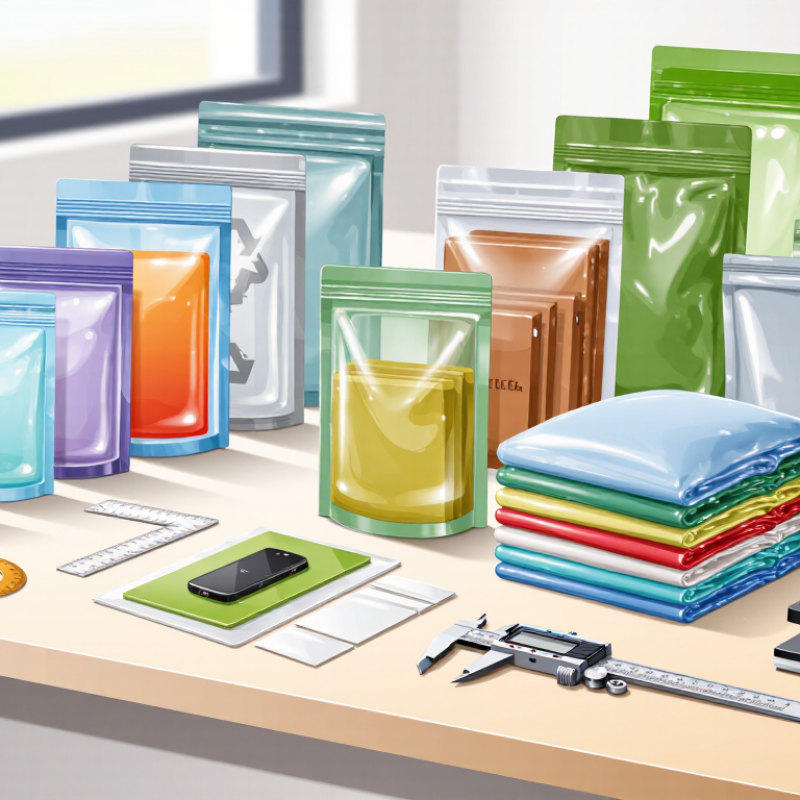
Clear bags are popular for China-sourced packaging because they display products while protecting them from dust, moisture, and handling damage. The best choice depends on product weight, surface finish, sealing method, and shipping conditions.
OPP bags offer strong clarity and a crisp, glossy appearance. They suit apparel, stationery, bakery items, and lightweight retail goods.
BOPP bags are tougher and resist stretching better during transport.
PE bags feel softer and provide useful moisture protection. They work well for clothing, hardware, and larger products.
CPP bags have excellent transparency and heat-sealing performance. They are often selected for food-related packaging when the material meets applicable safety requirements.
Cellophane bags create a natural appearance and can suit gifts or handmade products, but they may cost more and tolerate moisture less effectively.
PVC bags are clear and flexible, yet buyers should review environmental expectations before selecting them.
Tips: Ask the factory for material specifications, thickness samples, seal tests, and odor checks. Confirm whether the bag needs an adhesive flap, zipper, handle, or heat seal. Request photos of packed samples, not only empty bags. A 0.02-millimeter difference can change stiffness noticeably. I have found that attractive samples sometimes hide weak seams, so inspect corners and opening edges carefully. Do not assume “clear” means completely transparent; haze can affect product presentation. Small trial orders are safer, although they may increase the unit cost.
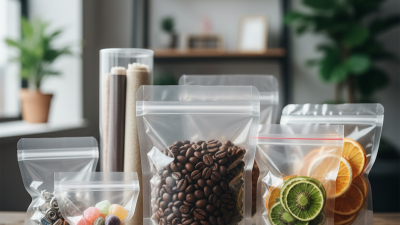
What Are the Best Clear Bags for Packaging from China?
Key Materials and Quality Standards for Clear Bags from China
Choosing clear bags from China starts with the material, not the appearance. Polyethylene offers flexibility and reliable moisture resistance. Polypropylene usually provides sharper clarity and stronger stiffness. Polyester works well when higher dimensional stability is needed. For food packaging, the material should match the product, filling temperature, and storage conditions. Recycled content can reduce environmental impact, but it may change clarity and strength. Samples matter.
During sourcing projects, I check thickness, seal strength, odor, and transparency before reviewing price. A bag may look clean but split at the side seam. Measure thickness at several points, because uneven film often causes weak sealing. Test filled samples with drops, pressure, and normal handling. Ask for batch records and material declarations. Request migration or food-contact test reports when the application requires them. Tests should follow suitable ASTM, ISO, or destination-market methods.
Quality control also covers dimensions, printing adhesion, and opening performance. The seal should remain closed without excessive heat. Packaging suppliers should provide a clear specification sheet, inspection standard, and approved sample. Third-party inspection can help, especially for large orders. Still, paperwork is not proof by itself. I have seen attractive samples hide inconsistent production. That possibility deserves attention. A practical supplier accepts reasonable corrections and explains test results clearly. Avoid choosing the lowest quote until material grade, tolerance, packaging quantity, and replacement terms are confirmed.
Material density is a useful technical reference when comparing clear packaging films. PE and PP are lightweight polyolefins commonly selected for flexible bags, while PET and PVC are denser materials used when higher stiffness, clarity, or specific barrier properties are required. Final quality should also be verified through agreed thickness tolerances, tensile-strength testing, seal-strength testing, and applicable methods such as ASTM D882, ASTM D1709, and ISO 527.
Choosing the right clear bag starts with your product, not its appearance. A soft garment bag needs different protection than a rigid gift set. Measure the product with its inserts, then allow space for sealing and handling. Polyethylene offers flexibility and moisture resistance. Polypropylene usually provides sharper clarity and better stiffness. For food-related packaging, request appropriate migration and compliance documents from the supplier.
Thickness matters, but thicker is not always better. A 0.08 mm bag may suit lightweight accessories, while heavier items need stronger film or reinforced seams. Test samples with drop, compression, seal-strength, and rub tests. Check the closure too. Adhesive flaps can improve speed, while reusable zippers create a better opening experience. Small details matter.
According to the OECD Global Plastics Outlook, global plastic waste reached 353 million tonnes in 2019, while only 9% was recycled. This makes material selection an environmental decision, not only a purchasing decision. Ask Chinese suppliers about recycled content, recyclability, ink coverage, and production waste. Request factory test records, material specifications, and pre-production samples. A clear bag can appear premium under showroom lighting but show fingerprints, wrinkles, or weak seals in real use. That lesson is easy to miss. My own selection process would include repeated handling trials, because one attractive sample cannot represent an entire production batch. Consult current local packaging rules before placing a large order.
The best clear bag depends on the product, display goal, and packing process. Polypropylene offers a crisp, glass-like appearance for clothing, stationery, and small accessories. Polyethylene feels softer and suits flexible products. I usually confirm thickness in microns before discussing price. A thin bag may reduce cost, but it can crease or split during shipping. That trade-off matters.
Custom printing should match the bag material and surface. A simple one-color logo often stays sharper than a crowded design. Before production, request a physical proof or digital mockup with actual dimensions. Small text can become unclear after printing. It happens more often than expected. Measure the product with its insert, label, and folded edges included. A 20-by-30-centimeter bag may still feel too tight after sealing.
Closures change both protection and user experience. Adhesive flaps create a clean retail appearance, while zippers allow repeated opening. A hanger hole helps display items, and rounded corners can reduce sharp edges. Some products need a stronger seal or thicker film. Ask for sample bags, seal tests, and drop tests before placing a large order. Confirm printing accuracy, film thickness, closure strength, packing quantity, and inspection standards in writing. I would also verify destination-market packaging requirements with a qualified local professional, because factory assumptions are not always enough.
Clear bags look simple, but their quality depends on small manufacturing details.
When evaluating Chinese suppliers, start with a written specification. State the bag dimensions, film thickness, closure type, transparency, printing, and packing method. Add acceptable tolerances, because “standard size” can mean different things. Ask for recent production photos, factory address, business registration details, and relevant quality documents. Do not rely on catalog images alone. Request samples from the same material and production line planned for your order. Compare odor, clarity, sealing strength, surface scratches, and actual measurements. Small differences matter.
Speak with a sales contact who answers technical questions clearly. Vague replies about thickness or material deserve more checking. Ask whether the supplier manufactures the bags or outsources them. Outsourcing is not automatically unsafe, but it adds another control point. Confirm lead time, carton markings, replacement terms, and responsibility for defects. Put every detail in the proforma invoice. An independent pre-shipment inspection can check quantity, dimensions, sealing, and packing. If the order is small, inspect random cartons yourself. A checklist feels slow. It is cheaper than guessing.
Place a small trial order before committing to large-volume production. Keep every agreed detail in writing, including sample approval and revision limits. Use a payment method with documented buyer protection, and never send money to an unrelated personal account. Confirm bank details through a separate communication channel. Ask for production updates with dated photos. Yet photos can be staged. That limitation deserves attention. Combine them with inspection records and shipment documents. Review the first shipment carefully, then adjust your specification based on actual defects, not assumptions.
Interested in working with our team? Reach out to our team for a no-strings-attached consultation.
1 (833) PPC-FLEX
1111 Busch Pkwy
Buffalo Grove, IL 60089, USA