1111 Busch Pkwy, Buffalo Grove, IL 60089, USA

1 (833) PPC-FLEX

Top Plastic Packaging Bags Suppliers for Global Buyers

Global buyers need more than attractive prices when choosing plastic packaging bags suppliers. They need dependable materials, stable production, and clear documentation. A bag may look simple, yet its performance depends on resin quality, sealing strength, printing accuracy, and storage conditions.

This guide examines leading suppliers through practical purchasing criteria. These include manufacturing experience, quality systems, production capacity, customization options, and export reliability. We also consider recycled content, reusable designs, and responsible material choices. Andrew Morlet, CEO of the Ellen MacArthur Foundation, stated, “We cannot recycle our way out of the plastic pollution crisis.” His warning remains highly relevant to packaging decisions. Suppliers should explain how they reduce material use, improve recyclability, and manage production waste.

Details matter.

A serious supplier should provide product samples, technical specifications, test results, and transparent lead times. Buyers should inspect bag thickness, tensile strength, closure performance, odor, and print consistency. Factory audits can reveal weaknesses that sales brochures hide. Communication quality matters too, especially when orders cross languages, currencies, and time zones.

No supplier is perfect. Some offer excellent customization but limited capacity. Others provide competitive pricing but weaker sustainability evidence. A low quote may also exclude tooling, testing, freight, or quality inspection costs. Therefore, this overview does not treat popularity as proof. It encourages buyers to compare evidence, request clear answers, and test products before placing large orders. The strongest plastic packaging bags partner combines technical competence, ethical operations, responsive service, and measurable performance. That balance is difficult. It is still worth pursuing.
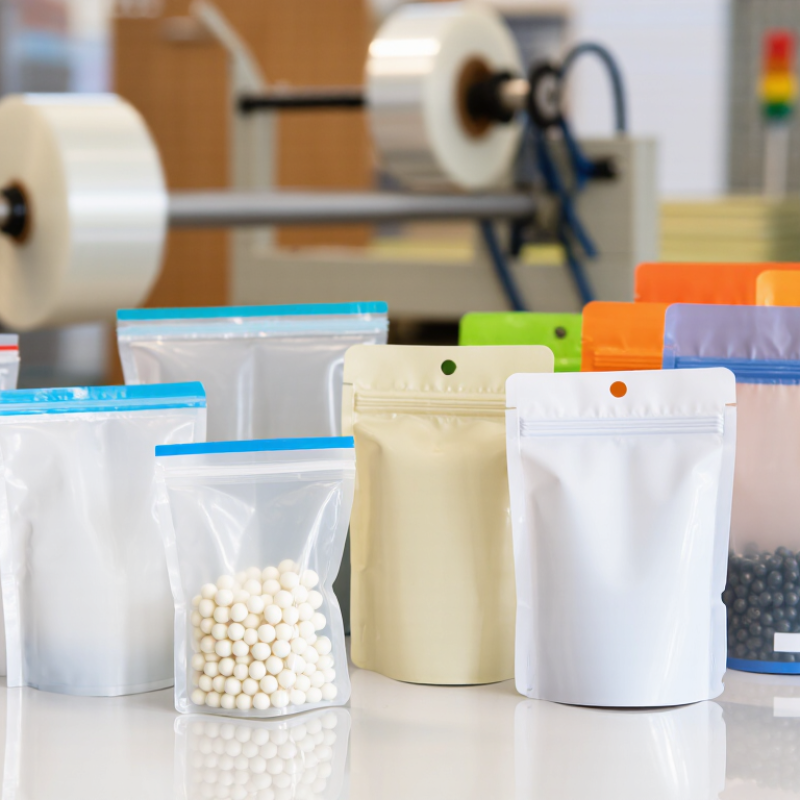
Top Plastic Packaging Bags Suppliers for Global Buyers

Types of Plastic Packaging Bags for Global Supply Chains

For global supply chains, plastic packaging bags should match the product, route, and handling environment. Low-density polyethylene bags are flexible and suitable for garments, liners, and lightweight goods. High-density polyethylene bags offer stronger puncture resistance for heavier items. Polypropylene bags provide stiffness and clear presentation. Some shipments need laminated bags for moisture and oxygen control. Yet extra layers can complicate recycling. That trade-off deserves attention.

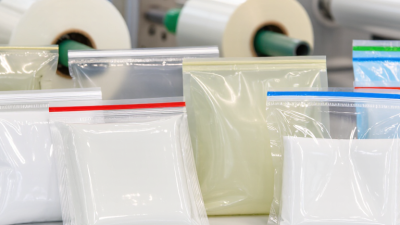
Common formats include flat bags, gusseted sacks, zip bags, courier mailers, and vacuum bags. Flat bags save storage space. Gusseted designs expand around bulky products. Zip closures support repeated access, while vacuum bags reduce volume when compatible with the contents. Recycled-content bags can lower virgin resin use, but their performance may vary between batches. Buyers should request thickness data, seal-strength results, migration documentation where relevant, and production samples. A sample can reveal more than a polished specification sheet.

Tips: Confirm dimensions after filling, not only before filling. Test seals after cold storage and rough transport. Ask suppliers for batch traceability and clear material declarations. Check destination-country packaging rules before production. Do not assume “biodegradable” means suitable for every environment. Small errors become expensive at container scale.
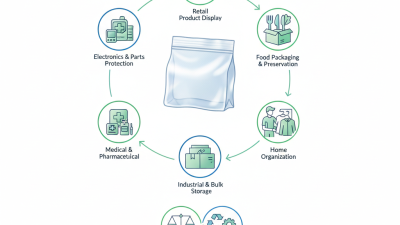
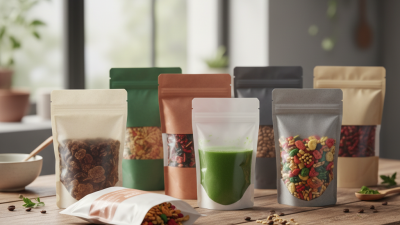
Key Criteria for Evaluating International Bag Suppliers

Top Plastic Packaging Bags Suppliers for Global Buyers

Key Criteria for Evaluating International Bag Suppliers

Choosing an international bag supplier requires more than comparing prices. Practical experience shows that material consistency often affects production results. Ask for samples with documented resin type, thickness, dimensions, and seal strength. Test them under real filling and storage conditions. A bag that looks suitable may split during transport.

Review the supplier’s quality system, factory records, and independent test reports. Check whether production batches are traceable from raw materials to final cartons. For regulated packaging, request evidence that materials meet the destination market’s applicable requirements. Documentation should be clear, current, and easy to verify. Vague certificates are warning signs.

Capacity and communication matter just as much. Confirm minimum order quantities, lead times, inspection procedures, and export experience. Ask how the supplier handles color variation, printing errors, and delayed shipments. Good suppliers describe problems honestly. That matters. A low quotation can hide weak controls or costly rework. Sustainability claims also need evidence, such as recycled-content records or measurable material reductions. No checklist is perfect. I still recommend a small trial order before committing to regular purchases. A supplier’s response to minor defects often reveals more than a polished presentation.

Leading Regions and Supplier Profiles in the Global Market

Top Plastic Packaging Bags Suppliers for Global Buyers

Leading Regions and Supplier Profiles in the Global Market

East Asia remains a major sourcing region for plastic packaging bags. Suppliers there often provide high-volume production, automated printing, and flexible material options. Many factories support custom thickness, zipper styles, and heat-seal performance. Buyers should inspect production samples before approving large orders. A clear sample can reveal weak seals or uneven film gauges.

South Asia offers competitive pricing and growing capacity. Supplier profiles often include woven bags, courier mailers, and laminated packaging. These manufacturers may serve agricultural, retail, and industrial customers. Communication quality can vary between factories. Written specifications, inspection schedules, and signed artwork approvals reduce avoidable mistakes.

Europe is known for structured quality systems and stronger material traceability. Suppliers commonly document recycled content, migration testing, and production controls. Prices may be higher, but records are usually easier to review. North American suppliers often provide responsive project management and shorter regional delivery times. Southeast Asian factories are increasingly attractive for flexible order volumes and diversified sourcing.

A reliable supplier should share test reports, factory details, and realistic lead times. Ask about seal strength, puncture resistance, odor, and storage conditions. Environmental claims deserve careful checking. “Recyclable” can mean different things across markets. No region is perfect. Even experienced buyers sometimes focus too heavily on price. A balanced review considers quality, communication, documentation, capacity, and delivery risk together.

Quality Standards, Certifications, and Compliance Requirements

Global buyers should assess plastic packaging bag suppliers through documented quality systems, not attractive samples alone. The OECD’s Global Plastics Outlook (2022) reports that packaging creates about 40% of global plastic waste. This makes material control and traceability essential. Ask for resin specifications, lot numbers, certificates of analysis, and production records. A reliable supplier should also explain film thickness, seal strength, tensile performance, and storage limits in clear language.

Certifications provide structure. ISO 9001 supports process consistency, while BRCGS Packaging Materials or ISO 22000 may strengthen controls for food-contact packaging. Suppliers must also meet destination rules, such as EU food-contact requirements or applicable FDA regulations in the United States. Migration testing should cover intended food types, temperature, and contact time. One generic test is rarely enough. It sounds convenient, but it can be misleading.

Auditors should inspect actual production areas, not only certification files. Check clean-room practices, color control, printing records, and corrective-action reports. The ISO Survey regularly records more than one million ISO 9001 certificates worldwide, yet certification alone does not guarantee every shipment. A certificate can be current while a process quietly changes. Buyers should approve pre-production samples, require batch-level documentation, and test incoming bags independently. Small gaps matter. Even experienced teams miss them. Suppliers should disclose recycled content, additives, and potential restricted substances before commercial approval.

Sourcing, Pricing, Shipping, and Supplier Selection Considerations

Selecting reliable plastic packaging bag suppliers requires more than comparing online prices. Experienced buyers check material structure, thickness, sealing strength, printing quality, and production capacity. Request samples from several suppliers and test them under real conditions, such as stacking, moisture exposure, and repeated handling. A clean sample is encouraging, but it does not prove consistent mass production. Ask for factory quality records, relevant compliance documents, and recent inspection reports.

Pricing usually depends on resin type, bag dimensions, thickness, order quantity, printing colors, and custom tooling. Request a detailed quotation instead of accepting one total figure. Confirm whether it includes cylinders, sampling, packaging, inland transport, and export documentation. Shipping also needs careful planning. Compare carton dimensions, loading quantities, production lead time, and delivery terms. A low unit price can become expensive when cartons waste container space. Delays may also damage seasonal sales plans. I have seen buyers focus too narrowly on price and regret ignoring delivery reliability.

Tips: Define acceptable size and thickness ranges before requesting quotes. Ask suppliers to explain material tolerances in writing. Keep approved samples for future comparison. Check how rejected goods are handled. Start with a manageable trial order, even when the larger quotation looks attractive. Details matter. Ask twice. Supplier selection is partly technical and partly practical judgment.

Top Plastic Packaging Bags Suppliers for Global Buyers - Sourcing, Pricing, Shipping, and Supplier Selection Considerations

Supplier Profile Primary Production Region Common Bag Types Typical Materials Typical MOQ Indicative Price Range* Production Lead Time Common Shipping Options Useful Compliance Documents Selection Considerations
Large-scale flexible packaging manufacturer East and Southeast Asia Stand-up pouches, flat pouches, three-side-seal bags, roll stock PET/PE, BOPP/PE, PET/CPP, laminated multilayer films 10,000–50,000 pieces per design USD 0.04–0.25 per bag 25–45 days after artwork approval Sea freight for volume; air freight for urgent samples Food-contact declaration, migration test, ISO 9001, BRCGS or equivalent where applicable Best for repeat orders, complex printing, and multilayer barrier requirements
Mid-sized custom printed bag converter China, Vietnam, India, and Türkiye Shopping bags, courier bags, garment bags, retail pouches LDPE, HDPE, recycled PE, biodegradable or compostable blends 5,000–30,000 pieces per size USD 0.03–0.18 per bag 20–35 days, depending on printing and raw material availability Sea, rail, truck, or consolidated air shipments Material specification, recycled-content evidence, REACH or food-contact documents where relevant Compare film thickness, handle strength, print coverage, and actual recycled content
Heavy-duty industrial packaging producer China, India, Southeast Asia, and Eastern Europe FIBC liners, industrial liners, pallet covers, heavy-duty sacks HDPE, LDPE, LLDPE, antistatic and conductive polyethylene films 1,000–10,000 pieces per specification USD 0.25–3.50 per unit 30–60 days for customized industrial formats Sea freight, truckload, or rail for regional delivery Load test reports, thickness tolerance data, ISO 9001, UN certification when required Prioritize puncture resistance, sealing quality, load rating, and batch traceability
Food and agricultural film specialist Europe, North America, China, and South Asia Produce bags, bread bags, freezer bags, grain and seed bags Food-grade PE, PP, breathable films, perforated films, multilayer barrier films 10,000–100,000 pieces per format USD 0.03–0.35 per bag 25–50 days, plus time for food-contact testing if needed Sea freight, refrigerated logistics only when product requirements demand it Food-contact declaration, overall migration test, GMP statement, HACCP or BRCGS evidence Confirm odor, seal integrity, oxygen and moisture barrier, and applicable destination rules
Small-batch and private-label packaging supplier North America, Europe, and selected Asian markets Zip pouches, cosmetic bags, sample bags, short-run printed packaging PE, PP, PET laminates, kraft-paper laminates, recyclable mono-material films 500–5,000 pieces per design USD 0.15–1.20 per bag 10–30 days after digital proof approval Courier, air freight, or less-than-container-load sea freight Material declaration, print safety statement, recycling information, product test report Suitable for product launches; unit costs are usually higher at low volumes
Recycled and mono-material packaging specialist Europe, North America, and East Asia Recyclable PE pouches, recycled-content mailers, mono-PE bags PCR PE, PIR PE, mono-PE, recycled PP, water-based ink systems 10,000–50,000 pieces per specification USD 0.08–0.45 per bag 30–60 days, depending on certified recycled resin supply Sea, rail, truck, and air freight for samples or urgent replenishment Recycled-content certification, chain-of-custody records, recyclability assessment, ISO 14001 Verify recycled percentage, contaminant controls, odor, mechanical performance, and local recycling compatibility
E-commerce mailer and fulfillment packaging supplier China, Vietnam, India, Europe, and North America Courier bags, tamper-evident mailers, returnable mailers, document pouches Co-extruded PE, recycled PE, adhesive closure films, bubble-lined PE 5,000–50,000 pieces per size USD 0.04–0.30 per bag 20–40 days for customized sizes and printing Sea freight for stock replenishment; courier or air for samples Thickness report, adhesive test, tear-resistance test, recycled-content documentation Check closure security, opacity, tear resistance, return-strip performance, and carton packing efficiency
Regional stock-and-distribution supplier North America, Western Europe, Australia, and the Middle East Plain poly bags, pallet bags, trash liners, protective covers LDPE, HDPE, LLDPE, recycled-content polyethylene Carton quantities or 1–10 pallets, depending on stock status USD 0.05–0.80 per bag 1–14 days for stocked items; 20–45 days for custom production Domestic truck delivery, parcel service, or regional distribution Product specification, safety data where applicable, recycled-content evidence, quality records Best for short lead times; landed cost may be higher than direct overseas sourcing

*Indicative pricing is shown in USD per finished bag for standard commercial specifications and excludes tooling, artwork, testing, freight, duties, taxes, and other destination charges. Actual quotations depend on dimensions, thickness, resin grade, printing method, order quantity, packaging configuration, Incoterms, and destination market requirements.