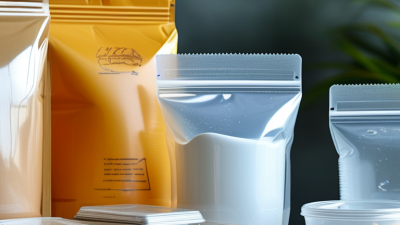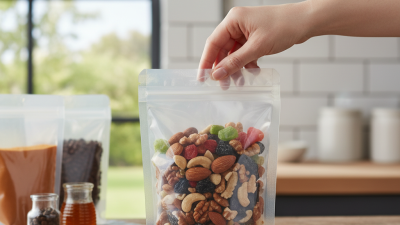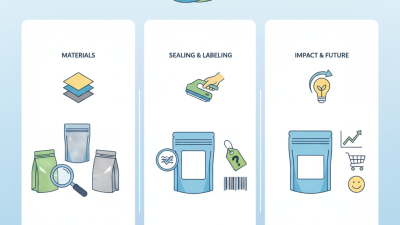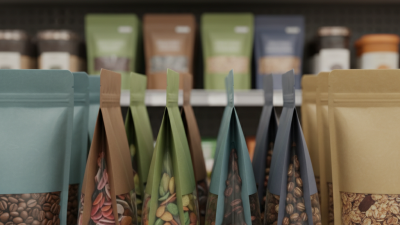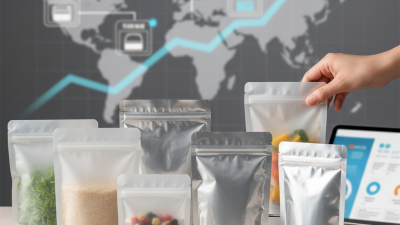
Pouch packaging has gained significant traction among global buyers for various reasons. This innovative packaging solution offers a range of benefits that can enhance both product appeal and functionality. Many brands are recognizing the advantages pouch packaging brings to the table.
These flexible packages are lightweight and often more sustainable than traditional options. They can reduce shipping costs and minimize environmental impact. Pouch packaging also allows for unique designs that stand out on the shelves. However, some may question the durability compared to rigid packaging, which is a valid concern.
Despite the challenges, the benefits of pouch packaging, such as extended shelf life and ease of use, are hard to ignore. It is essential for companies to weigh these factors carefully. Consumers increasingly favor convenience and eco-friendly choices, making pouch packaging a worthwhile consideration for modern businesses.
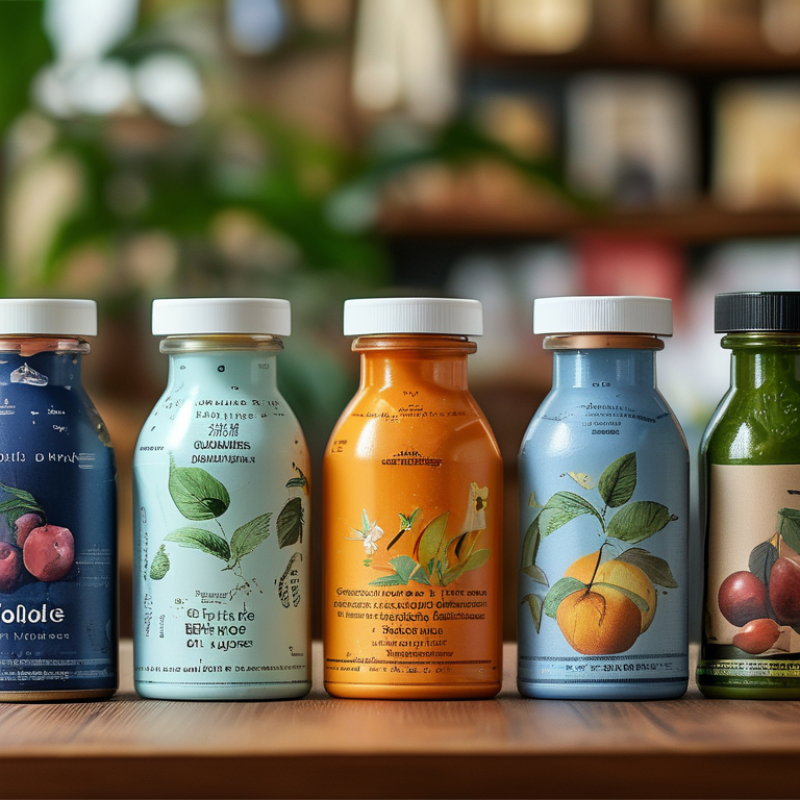
Pouch packaging presents a unique opportunity for improving supply chain efficiency. It minimizes storage space, as pouches can be stacked and stored flat. This can significantly reduce warehousing costs. The lightweight nature of pouches also cuts down on shipping expenses. With reduced weight, transportation becomes more efficient, leading to lower carbon footprints.
Managing inventory becomes easier with pouches. They often come with resealable features, enhancing product longevity and reducing waste. Buyers can maintain better control over stock levels. Implementing a pouch system can streamline the distribution process. However, it is essential to assess the specific requirements of your product before switching to pouches.
When converting to pouch packaging, consider the following: ensure that the material used aligns with the product's needs. Durability should not be compromised for cost savings. Look into various designs and closures that can add value. Balancing efficiency and quality should remain a priority throughout the process. Experimentation may lead to discovering the optimal packaging solution for your supply chain.
| Benefit | Description | Impact on Supply Chain |
|---|---|---|
| Lightweight | Pouch packaging is lighter than traditional materials. | Reduces shipping costs and carbon footprint. |
| Cost-Effective | Lower material and production costs. | Enhances profitability across the supply chain. |
| Versatility | Suitable for various products across industries. | Facilitates easier product adaptation in markets. |
| Extended Shelf Life | Protects products from moisture and air. | Reduces waste and increases inventory efficiency. |
| Eco-Friendly Options | Biodegradable and recyclable materials available. | Enhances sustainability initiatives. |
| Consumer Convenience | Easy to open, reseal, and store. | Improves customer satisfaction and loyalty. |
| Customization | Wide range of sizes, shapes, and designs. | Enables brand differentiation and appeal. |
| Reduced Storage Space | Compact design saves storage volume. | Optimizes warehouse space and logistics. |
| Quick Market Entry | Faster production turnaround times. | Accelerates launch of new products. |
| Technology Integration | Easily integrates with automation technologies. | Improves overall efficiency of the supply chain. |
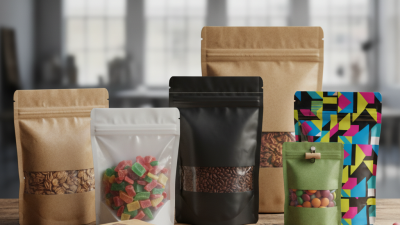
Pouch packaging offers significant cost-effectiveness for global buyers. According to a report by Smithers Pira, pouch packaging can reduce material costs by up to 20% compared to traditional cartons. This reduction arises from lower material weight and less packaging waste. Moreover, pouches use less energy for production and transportation, further cutting expenses.
Consider this: lighter packaging translates to lower shipping costs, especially over long distances. In fact, the Flexible Packaging Association notes that pouches can reduce freight costs by 30%. This is particularly valuable for global buyers navigating complex logistics. However, the reliance on pouches may require extra consideration for product protection and shelf stability.
Switching to pouch packaging can be a game-changer. Look for suppliers that prioritize sustainable practices. Balancing cost-effectiveness with environmental responsibility is crucial in today’s market. It’s wise to analyze the specific needs of your product when choosing materials. Not all pouches are created equal, and understanding your options is essential for maximizing benefits.
Pouch packaging has transformed the way products are presented and preserved. A key advantage is its positive impact on product shelf life. Research shows that using pouches can extend the freshness of items like food and beverages. According to a recent industry report, 80% of consumers prefer products in pouches due to their extended shelf life and convenience.
The barrier properties of pouch packaging play a significant role. These pouches prevent moisture, oxygen, and light from entering, which helps maintain quality over time. For example, a study found that vacuum-sealed pouches can keep snacks fresh for up to six months longer compared to traditional retail packaging. This effectively reduces waste and improves customer satisfaction, as people expect fresher products.
However, not all pouch designs are created equal. Some may employ materials that degrade over time, which can compromise shelf life. Producers must be cautious in selecting the right materials. Relying solely on pouch packaging isn't a one-size-fits-all solution. Brands must continuously evaluate their packaging choices to balance sustainability and performance. With ongoing innovation in the industry, it's crucial to stay updated on best practices for ensuring product longevity.
Pouch packaging is gaining momentum in the sustainability realm. According to a recent report by Smithers Pira, flexible pouches can use up to 60% less material than rigid packaging alternatives. This reduction significantly lowers greenhouse gas emissions. Moreover, many pouches are recyclable, compostable, or made with biodegradable materials. These design choices cater to the growing consumer demand for eco-friendly solutions.
Sustainable pouch packaging not only benefits the environment but also appeals to buyers. A study by Grand View Research indicates that 50% of consumers prefer brands that focus on sustainability. Additionally, pouches save on transportation costs due to their lightweight nature. This efficiency can lead to reduced carbon footprints during distribution. However, challenges remain in the recycling stream. Many consumers still do not understand how to recycle pouches effectively, which can lead to increased waste.
The importance of transparent labeling is rising. Clear guidance on pouch disposal can improve consumer habits. While progress has been made, the industry must continue to address these barriers. Pouch packaging holds promise for being a more sustainable option, but it requires ongoing commitment and education for both the buyers and manufacturers.
Pouch packaging is increasingly popular among global buyers due to its consumer convenience. According to a recent study by Smithers Pira, the flexible packaging market is projected to grow by 4.1% annually through 2026. This growth indicates a shift in consumer preferences towards easily accessible and portable packaging solutions. Many consumers favor pouches because they are lightweight and can be resealed, reducing waste.
The convenience of pouch packaging enhances consumer engagement. A survey conducted by the Flexible Packaging Association found that 72% of respondents prefer pouches over traditional packaging. The easy-to-open design and versatility make pouches an attractive option. For example, snack foods and pet products packaged in pouches are particularly popular due to their user-friendly features.
However, challenges exist. Not all consumers understand how to dispose of pouches correctly, leading to concerns about environmental impact. Industry experts suggest more education on proper recycling practices is needed. Also, while convenience is essential, some consumers seek sustainable materials in packaging. Balancing convenience with eco-friendliness is an ongoing discussion in the industry. This dual focus is crucial for meeting evolving consumer expectations.
Interested in working with our team? Reach out to our team for a no-strings-attached consultation.
1 (833) PPC-FLEX
1111 Busch Pkwy
Buffalo Grove, IL 60089, USA