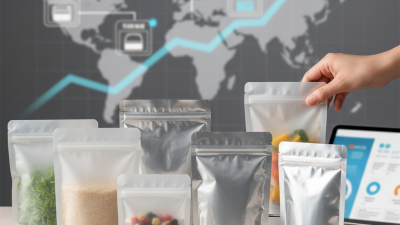
Choosing the right resealable pouches for your products is crucial. These pouches protect items from spoilage and provide convenience. Many manufacturers face challenges in selecting the best packaging solutions. With numerous options available, how can one make an informed decision?
The effectiveness of resealable pouches often depends on material and size. For example, kraft paper offers durability, while plastic allows for visibility. Additionally, the closure mechanism impacts usability. Some might overlook this detail, leading to frustration later. It's essential to explore various designs and features to find the ideal fit for your products.
Consider your target audience when selecting resealable pouches. A product aimed at health-conscious consumers may require eco-friendly materials. On the other hand, bold designs can attract younger shoppers. Always reflect on how your choice aligns with your brand identity and values. Making decisions based solely on price can lead to regrets down the line.
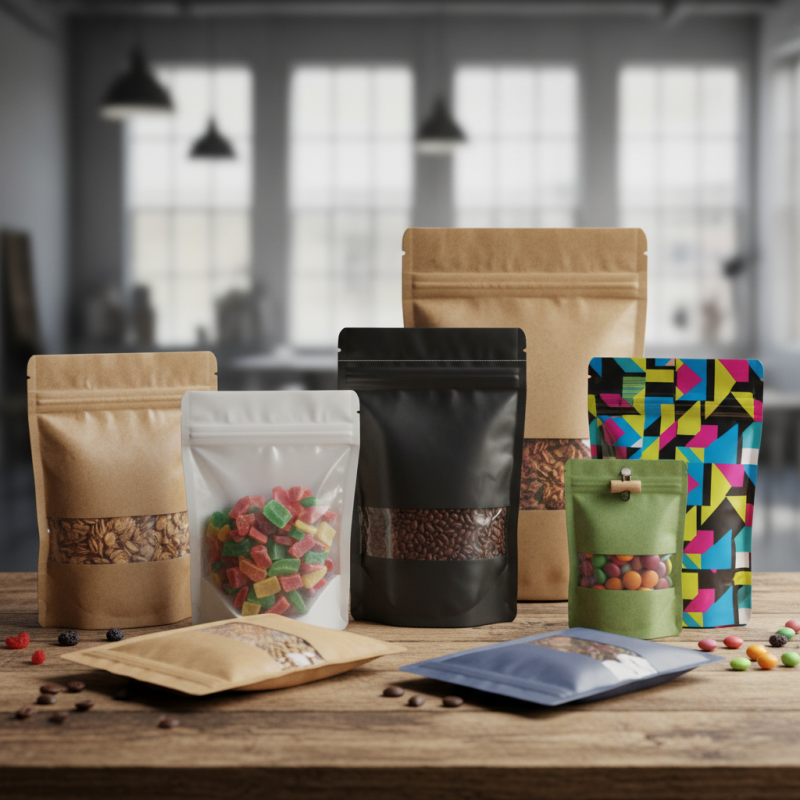
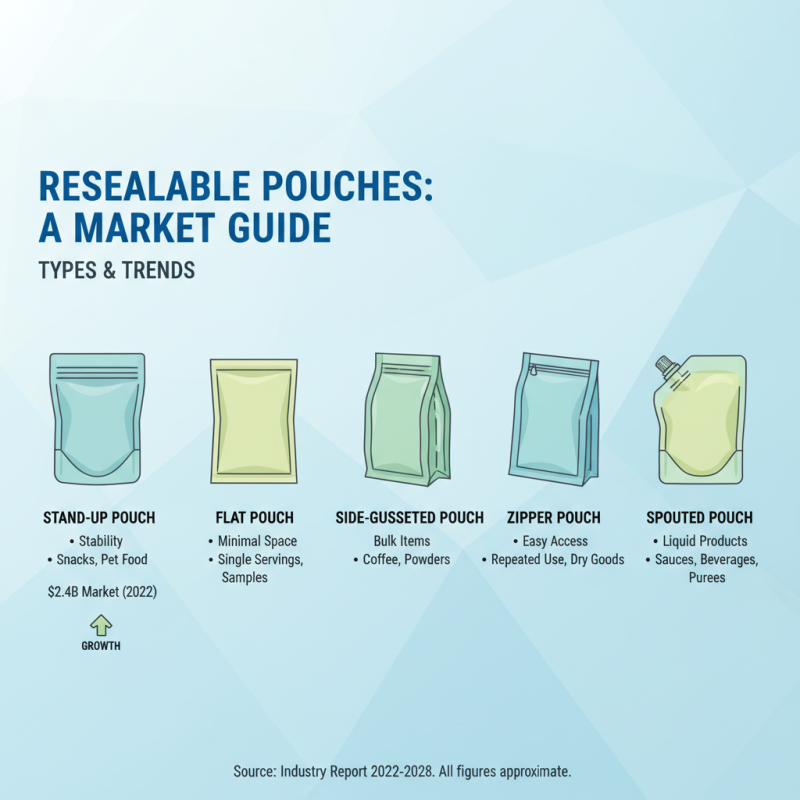
When selecting resealable pouches, understanding the types available is crucial. There are generally five main types: stand-up pouches, flat pouches, side-gusseted pouches, zipper pouches, and spouted pouches. Each serves different product needs. For instance, stand-up pouches have a bottom gusset that provides stability. They are ideal for snacks or pet food. In 2022, the global stand-up pouch market reached $2.4 billion, expected to grow significantly by 2028.
Zipper pouches offer convenience. They allow customers to open and reseal without hassle. These pouches are suitable for various items, including dry goods, cosmetics, and small electronics. Reports suggest that the zipper pouch segment will grow by over 5% annually. Consider the seal integrity, as this impacts product freshness and shelf life. Some pouches may not perform well with moisture-heavy contents.
Performance research indicates that inadequate sealing can lead to spoilage. Not all pouches are created equal. While many are marketed as resealable, some seals fail quickly. Users have reported issues with pouches that do not reseal properly after opening. This could lead to wasted products. Evaluate the pouch’s material, thickness, and closure type before purchase. Balancing quality and cost is crucial in decision-making.
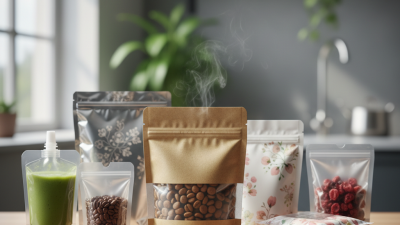
Choosing the right resealable pouches can significantly impact your product's shelf life and customer experience. When evaluating options, consider materials. Most pouches are made from plastic, paper, or a combination. Reports indicate that stand-up pouches made from laminated materials can extend shelf life by up to 30%. This makes them ideal for food and perishable goods. Assess whether the pouch protects against moisture, air, and light.
Another critical factor is the seal type. High-quality resealable zippers maintain product integrity and are user-friendly. Studies reveal that products packaged with effective resealable features have a 27% higher repurchase rate. Look for options that provide a robust seal without compromising easy access. The visual appeal of the packaging also matters. Printed pouches can communicate brand values effectively, capturing consumer attention.
Tips: Prioritize sustainability. Eco-friendly materials are becoming essential. Consumers are increasingly choosing brands that commit to reducing environmental impact. Test different pouch sizes. Make sure they complement your product specifications and meet market demands. Rethink your design choices; sometimes, the simplest solutions work best. Regularly gather customer feedback to refine your packaging strategy. This approach can lead to product enhancements based on real user experiences.
When selecting resealable pouches, the material you choose significantly impacts durability and preservation. Common materials include plastic, aluminum, and paper. Plastic pouches often provide flexibility and are lightweight. However, not all plastics are equal. Some may leach chemicals over time. Therefore, understanding the type of plastic is crucial.
Aluminum pouches offer excellent barrier properties. They can protect contents from moisture, light, and air. Consider using aluminum for food items that require long-term freshness. However, these pouches can be less flexible and harder to seal. Specialized sealing mechanisms must be employed to ensure product integrity.
Paper pouches are biodegradable and often used for dry goods. Yet they may not provide the same level of airtight protection as plastic or aluminum. A reflective coating can enhance their durability, but older methods might still affect performance negatively over time. Examining the environmental impact of materials is also essential. This leads to more responsible choices in product packaging. Each option has strengths and weaknesses. It requires careful consideration and testing to find the right fit for your products.
Choosing the right size and volume for resealable pouches is crucial for effective product packaging. Consider your product’s dimensions carefully. A pouch that’s too large can lead to wasted space and increased shipping costs. Conversely, a pouch that's too small may fail to contain your product properly, risking spillage or damage. Think about the quantities you plan to package. Will your customers prefer larger sizes for bulk purchases or smaller pouches for convenience? Understanding your audience is key.
Measure the product accurately before selecting a pouch. Use calipers or a ruler for precise measurements. This ensures the selected pouch fits snugly. Assess the volume requirements as well. Pouches come in various volumes; choosing the right one will enhance customer satisfaction. If your product is dense, you may opt for a smaller volume. Lightweight products might require larger pouches to prevent them from floating around.
After identifying sizes, it's wise to prototype. Create sample pouches and test them with your products. This step helps identify potential issues, like sealing strength or usability. Reflect on feedback from test users. Their input can highlight areas needing improvement. Ultimately, fitting your product into the perfect pouch requires thoughtful planning and adjustments. This iterative process helps ensure your packaging meets your business and customer needs effectively.
Customizing resealable pouches is crucial for effective branding. The design should reflect your brand's identity and values. Bold colors, unique shapes, and clear logos can attract customers. A well-designed pouch stands out on the shelf. It should communicate the product's purpose clearly at a glance.
Consider usability as you design. Resealable mechanisms must be user-friendly. If a pouch is difficult to open or reseal, customers may become frustrated. A poor user experience can lead to negative perceptions of your brand. Balancing aesthetics with practicality is key.
Think about different sizes and materials too. The right choice can enhance the user experience and product shelf life. While designing, gather customer feedback to refine your options. Some designs may look appealing but fail in real-world usage. Always be open to iterate based on user insights.
Interested in working with our team? Reach out to our team for a no-strings-attached consultation.
1 (833) PPC-FLEX
1111 Busch Pkwy
Buffalo Grove, IL 60089, USA