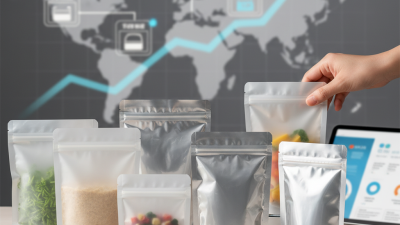
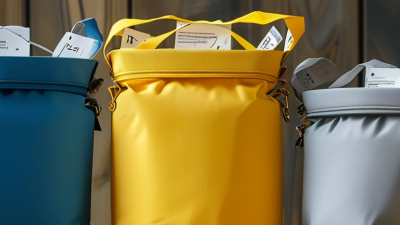
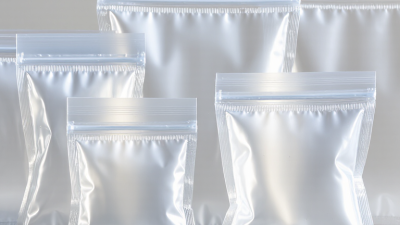
A pouch can look simple on a shelf: a flat silhouette, a clear window, and a seal that opens cleanly. Yet each choice affects protection, filling, shipping, and how customers handle the product. Custom flat pouches let brands tailor dimensions, materials, closures, and printed graphics to specific needs. The right design can reduce excess packaging, but only when it suits the product and filling process.
The broader market is growing. Grand View Research estimated the global flexible packaging market at USD 272.8 billion in 2023, with a projected 4.4% compound annual growth rate from 2024 to 2030. This figure covers flexible packaging overall, not flat pouches alone. Still, it signals sustained industry investment in lightweight formats and adaptable packaging. For product teams, it is context—not proof that every pouch choice performs equally well.
Details matter. A dry snack, powdered supplement, and liquid refill may require different barrier properties and seal designs. Material selection should follow product sensitivity, shelf-life goals, filling equipment, and local recycling options. A pouch that looks premium but fails during transport is not a good solution. Testing with actual product, checking seal strength, and confirming dimensions with the filler can reveal problems early. There is no universal specification. Custom flat pouches offer useful flexibility, but the best choice comes from measured requirements, supplier documentation, and practical trials—not appearance alone.
Why Choose Custom Flat Pouches for Your Products?
What Defines a Custom Flat Pouch and How Is It Constructed?
A custom flat pouch is a flexible package made from two panels sealed around the sides and bottom, with an opening at the top. Unlike a stand-up pouch, it has no bottom gusset, so it stores flat and uses less shelf depth. Its structure usually combines printed outer film, a barrier layer, and a heat-sealable inner layer. The exact materials depend on the product, filling process, and desired protection. That choice is easy to underestimate.
The Flexible Packaging Association reported that the U.S. flexible packaging industry reached an estimated $42.9 billion in sales in 2022. This figure reflects the broad use of flexible formats, not flat pouches alone. In practice, a pouch’s layers are selected to manage moisture, oxygen, light, and seal strength. For example, a dry snack may need a different barrier than a product sensitive to humidity. A poorly matched film can wrinkle, puncture, or seal inconsistently.
Tips: Ask the converter for a layer-by-layer specification and test filled samples on your actual packing line. Check seal edges, print readability, and how easily the pouch opens. Small trials can reveal issues that a neat sample conceals.
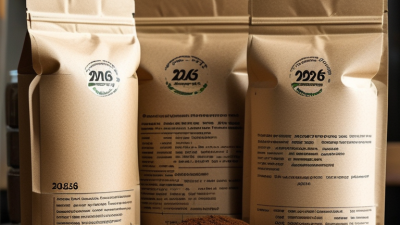
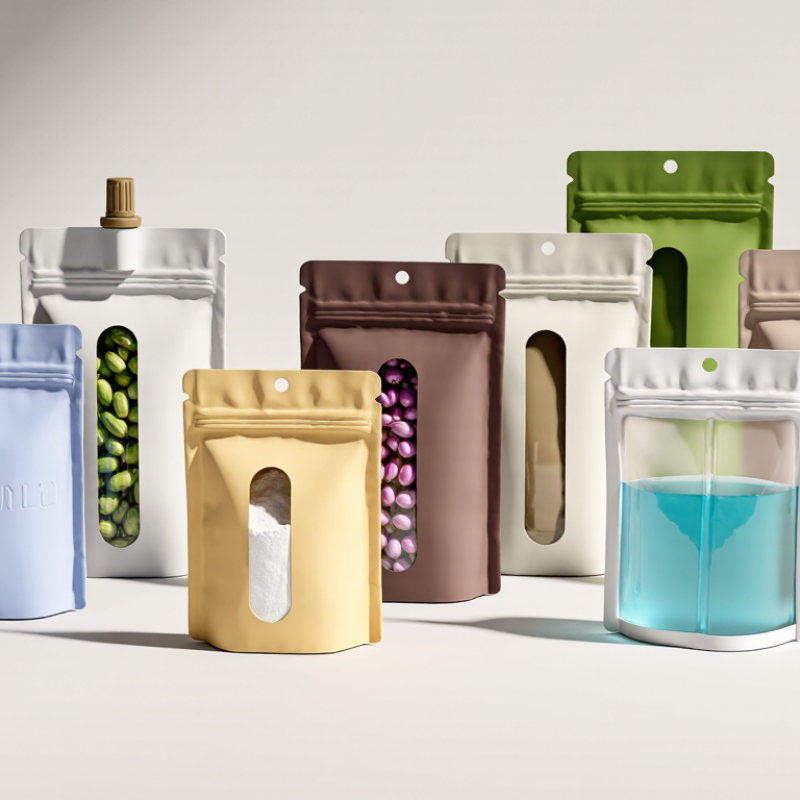
Custom flat pouches can use paper, polyethylene, polypropylene, or layered films. Each option changes the pouch’s feel, appearance, and barrier performance. A matte paper surface offers a natural look, while clear film lets customers see the contents. For products sensitive to moisture, oxygen, or light, ask about suitable barrier layers. The right choice depends on the product and its storage conditions, not appearance alone.
Closures can be tailored, too. A press-to-close zipper supports repeated use, while a tear notch makes opening easier. Hang holes, rounded corners, and a wider opening can improve display and filling. These features may add cost or affect usable space. Small details matter. Ask for samples and check how the pouch feels when filled; an empty sample can be misleading.
Tips: Share the product’s weight, shelf-life needs, and filling method before choosing materials. Request clear specifications for any food-contact application. Test the pouch with your actual product, including its aroma and texture. A zipper may sound convenient, but it can be awkward with small hands or sticky contents. That is easy to overlook. Get feedback from people who will use it, then adjust the design before a larger order.
Custom flat pouches can help protect products from moisture, oxygen, light, and handling, depending on their material and construction. A well-matched barrier can help preserve aroma, texture, or freshness during storage and transport. The right choice depends on the product. A dry snack and a powdered supplement may need different levels of protection. Strong, even seals also matter; a tiny gap can undermine an otherwise suitable package. That detail is easy to overlook.
The flat shape creates a clean surface for product information and visual branding. A logo, readable type, and a focused color palette can make a pouch easier to recognize on a crowded shelf. Keep it simple. A matte finish can feel understated, while a glossy surface may make colors appear brighter. Before choosing, check how the artwork looks on the actual material, not only on a screen. Small text can disappear.
Custom printing can support a consistent look across product sizes, but flexibility has limits. A design that works beautifully for one pouch may feel crowded on another. It is worth reviewing both the package dimensions and the protection requirements before finalizing the artwork. A pouch is not a cure-all. Weak seals, unsuitable films, or rough storage conditions can still affect product quality.
| Dimension | How Flat Pouches Help | Typical Options or Considerations | Product Examples |
|---|---|---|---|
| Moisture protection | A suitable film structure and well-made seals can help limit moisture transfer and protect products that are sensitive to humidity. | Choose materials and seal specifications based on the product’s moisture sensitivity, storage conditions, and required shelf life. | Seasonings, dry mixes, tea, and powdered foods |
| Oxygen and aroma barriers | Barrier layers can reduce oxygen transmission and help retain aromas or slow oxidation when matched to the product and package design. | Barrier performance varies by material, thickness, seals, and conditions. Confirm requirements with packaging tests and supplier specifications. | Coffee, nuts, dried fruit, and aroma-sensitive products |
| Light protection | Opaque or metallized structures can shield light-sensitive contents from exposure. | Use an opaque or light-blocking construction where needed; a clear window may reduce light protection in that area. | Certain powdered foods, supplements, and light-sensitive ingredients |
| Seal integrity | Heat-sealed edges help enclose the product and reduce the risk of leakage or contamination when the pouch is correctly filled and sealed. | Seal strength depends on the film, sealing equipment, temperature, pressure, and dwell time. Validate seals on the intended production line. | Single-use portions, dry goods, and sample packs |
| Format and storage | A flat profile can use less shelf and shipping space than many rigid formats when empty, and can be convenient for lightweight products. | Flat pouches generally do not stand independently unless designed with a gusset or paired with another support feature. | Refills, sachets, samples, and lightweight accessories |
| Custom sizing | Width, length, material structure, and opening style can be specified to suit the product and filling process. | Allow for filling space, seal margins, product shape, and the equipment used to fill and close the pouch. | Small components, food portions, and personal-care sachets |
| Branding and shelf communication | The front and back panels provide space for product names, graphics, instructions, ingredients, and required package information. | Plan artwork around seal areas and folds. Check print contrast, legibility, and applicable labeling rules for the product and market. | Retail foods, personal-care items, and promotional samples |
| Recyclability and material choice | Material selection can be tailored to protection and processing needs, while some designs may be made with recyclable-material goals in mind. | Recyclability depends on the complete package structure and local collection and processing systems. Verify claims for the specific pouch and market. | Products where packaging performance and end-of-life requirements must both be assessed |
Packaging performance depends on the selected materials, pouch design, product, filling process, and storage conditions. Test the finished package against the product’s protection and labeling requirements.
Flat pouch packaging works well for products that are lightweight, dry, and easy to portion. Think roasted nuts, dried fruit, tea leaves, ground coffee, herbs, and powdered drink mixes. A pouch can hold a single serving or a small sample without the rigid walls of a jar. That often means less storage space on a shelf or in a shipping carton.
Small parts can fit, too. Screws, beads, craft pieces, and replacement components stay together in a clearly labeled pack. For food, the right film matters: coffee may need a stronger oxygen barrier, while dry herbs benefit from protection against moisture and light. A tear notch makes opening easier, but it should not compromise the seal. Details count.
Flat pouches are less suitable for bulky items that need room to keep their shape, or products that could be crushed during handling. They can also be a poor choice for liquids unless the pouch material, seal, and filling process are designed for that use. Check the actual product weight and test filled samples through normal handling. A pouch that looks sturdy on a screen may flex more than expected in a delivery box. That is an easy detail to overlook.
What goes inside should guide the pouch. A dry powder needs protection from moisture; oily snacks may need stronger oxygen and aroma barriers. The pouch’s width, height, and seal area must also suit the product and filling equipment. The Flexible Packaging Association’s 2024 State of the U.S. Flexible Packaging Industry report estimated the U.S. market at $42.9 billion in 2023. That scale shows how widely flexible formats are used, but it does not make every pouch suitable for every product.
Check material structure, opening style, and storage conditions before choosing. A tear notch can help with easy access, while a zipper may support repeated use. Ask your converter for barrier data and sample pouches, then test them with the actual product and filling line. Test before scaling. A pouch that looks right on a screen may crease, leak, or stand poorly once filled. Sustainability claims also need care: confirm the material’s composition and whether local collection systems accept it.
Tips: Compare filled samples, not empty ones. Check seal strength, fit, and shelf-life needs. One detail is easy to miss: the pouch should work for both the product and the person opening it.
Interested in working with our team? Reach out to our team for a no-strings-attached consultation.
1 (833) PPC-FLEX
1111 Busch Pkwy
Buffalo Grove, IL 60089, USA