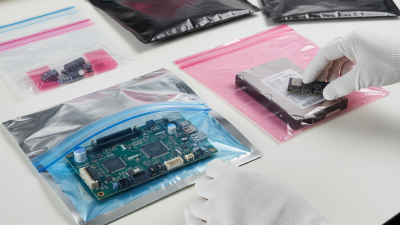
In today's electronic world, protecting sensitive devices is paramount. The right packaging plays a critical role in ensuring the longevity of electronic components. Among various packaging solutions, ESD bags stand out for their effectiveness in safeguarding electronics from electrostatic discharge. These bags are designed to dissipate static electricity, preventing damage to delicate circuitry.
When choosing ESD bags, quality matters. Not all bags provide the same level of protection. Some may wear out quickly, leaving your devices vulnerable. Consider the material used and the thickness of the bag. Thicker bags often offer better protection. However, they may be bulkier or more expensive.
Finding the best ESD bags can be overwhelming. Many options exist on the market, each claiming to be the best. It’s essential to weigh features like size, durability, and cost. Reflect on how your specific needs influence your choice. Investing in the right ESD bags is not just practical; it's a step towards ensuring that your electronic investments remain safe and functional for years to come.

Electrostatic discharge (ESD) is a significant challenge in electronics packaging. It can immediately damage sensitive components. Understanding ESD is crucial for anyone involved in electronics production or handling. Even minor static charges can lead to device failure. Ensuring the safety of electronic products starts with proper packaging solutions.
The main goal of ESD packaging is to shield products from static electricity. This is typically achieved through various materials designed to dissipate charges safely. Antistatic bags, for instance, offer a vital layer of protection. These bags prevent harmful static build-up while allowing the item to breathe. Some may underestimate the importance of using the right packaging. A decision to use subpar materials can be costly.
Choosing appropriate ESD protection requires expertise. It’s essential to assess the specific needs of the electronic components being packaged. Some products may need more robust solutions than others. Regularly reviewing packaging methods can lead to improvements. This attention to detail fosters reliability in the supply chain. Recognizing potential weaknesses in existing strategies is crucial for enhancing effectiveness in electronics packaging.
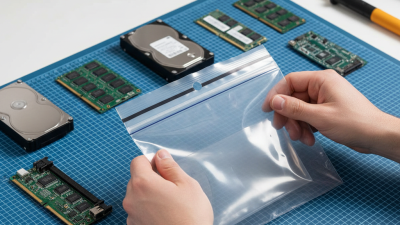
When selecting ESD bags for electronics, there are essential features to consider. First, the material is crucial. Look for bags made from anti-static polyethylene. This type of material offers reliable protection against electrostatic discharges. If the bag is not made of proper material, it may fail to protect delicate components. The thickness of the bag also matters. A thicker bag enhances durability but might be less flexible.
Closure mechanisms in ESD bags are another key feature. Some bags come with zip locks, while others have adhesive flaps. Each has its own advantages. A zip lock might be easier to use, but an adhesive flap can provide a tighter seal. However, a poorly designed closure may lead to accidental openings, putting your electronics at risk.
Consider the size as well. A bag that’s too large can allow components to move around. This movement can lead to damage during transport. Conversely, excessively small bags may cause stress on the components. Proper size ensures that the items are snugly secured. Achieving a balance in all these aspects is essential.
When choosing ESD bags, it's essential to prioritize safety and protection for your electronic devices. High-quality ESD bags provide excellent shielding against electrostatic discharge. They come in various sizes suitable for different components, such as circuit boards and sensitive chips. When selecting a bag, consider the thickness, material, and closure type, as these factors influence efficacy.
Pay attention to the bag's grounding features. Groundable bags ensure that any build-up of static electricity is safely dissipated. Use bags that have clear visibility to make identification of contents simple. This practice reduces time wasted during inspections or when searching for specific items. It's also wise to evaluate the seal of the bag. A secure seal prevents contamination and damage from environmental factors.
When storing sensitive electronics, it’s crucial to note that even the slightest friction can generate static electricity. Remember, not all ESD bags are created equal. Some may not offer sufficient protection or could degrade over time. Regularly inspect your storage solutions and replace them if signs of wear appear. Taking these measures can significantly enhance the safety and longevity of your electronic components.
When selecting ESD bags for electronics packaging, understanding the types available is crucial. ESD bags primarily fall into two categories: static shielding bags and anti-static bags. Each type has unique benefits and drawbacks. Static shielding bags, often constructed from metallized materials, provide superior protection from electrostatic discharge. They can shield sensitive components from external static fields. However, they may be more costly than other options, which could impact budgets.
Anti-static bags, on the other hand, are made from polyethylene with anti-static agents embedded within. They are less expensive and lightweight, making them suitable for bulk packaging. Yet, they offer less shielding compared to static shielding bags. Studies indicate that around 30% of electronics damage stems from static electricity, underscoring the importance of proper packaging. While anti-static bags can be effective, they aren't foolproof.
Another factor to consider is permeability. Certain ESD bags allow for moisture and gas transmission, which can negatively affect sensitive components. A report by the ESD Association highlights that moisture can significantly reduce the performance of electronic devices. Evaluating the environment and storage conditions is essential when choosing packaging solutions. It's clear that while both bag types serve essential roles, the right choice ultimately hinges on understanding their specific advantages and limitations.
This bar chart compares the protection levels of different types of ESD bags used in safe electronics packaging solutions, illustrating their effectiveness in preventing electrostatic discharge damage.
When it comes to storing and using ESD bags, adherence to best practices is crucial. According to a report by the ESD Association, improper handling and storage can lead to static damage, costing the electronics industry over $5 billion annually. ESD bags must be stored in controlled environments, away from sources of static, moisture, and direct sunlight to ensure their effectiveness. Ideally, they should be kept in a temperature-controlled area, as extreme conditions can degrade the material.
Using ESD bags correctly involves understanding their properties. For optimal performance, always ensure that the bags are closed securely. A common mistake is assuming that just placing items in the bag is sufficient. The bags should be used in conjunction with anti-static workstations and wrist straps for maximum protection. While it may seem tedious, taking these steps can prevent costly static damage. Also, it's essential to regularly inspect the bags for wear and tear, as compromised bags can fail to provide the necessary protection. Keeping a strict check can avoid potential losses.
Interested in working with our team? Reach out to our team for a no-strings-attached consultation.
1 (833) PPC-FLEX
1111 Busch Pkwy
Buffalo Grove, IL 60089, USA