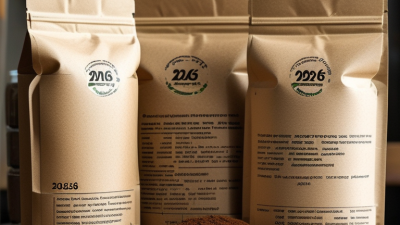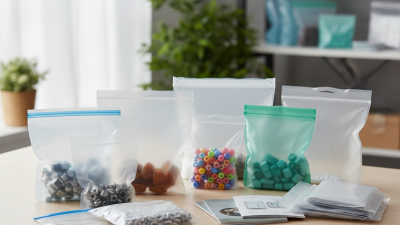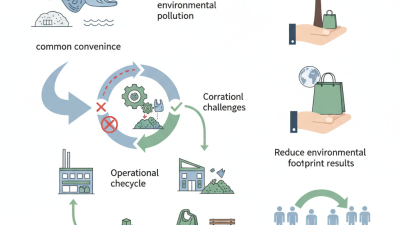
Resealable pouches are becoming a practical choice for food, pet care, household, and personal-care products. Their zipper closures, lightweight structures, and compact shelf presence support both consumer convenience and efficient distribution. Smithers’ The Future of Global Flexible Packaging to 2028 estimates that global flexible packaging reached approximately $201.8 billion in 2023. The report also forecasts continued growth through 2028, supported by packaging lightweighting and rising demand for portion control.
That growth does not make every pouch suitable for every market. A coffee pouch needs strong aroma protection, while a frozen-food pouch must tolerate low temperatures and repeated handling. Stand-up, flat-bottom, quad-seal, spouted, and recyclable mono-material formats each solve different problems. Small details matter. A weak zipper can damage the entire user experience.
Alison Keane, former president and CEO of the Flexible Packaging Association, described flexible packaging as “the fastest-growing segment of the packaging industry.” Her observation reflects market momentum, but buyers still need evidence beyond attractive samples. Material barriers, seal strength, filling-line compatibility, recyclability claims, and regional disposal systems require careful verification. The Global Commitment 2023 Progress Report from the Ellen MacArthur Foundation also shows that packaging recyclability goals remain difficult to achieve at scale. That warning deserves attention.
This guide examines the top types of resealable pouches for global buyers in 2026. It compares structure, application, protection, customization, and sustainability considerations. No single format wins every market. A better decision begins with the product, route, climate, and actual consumer behavior.
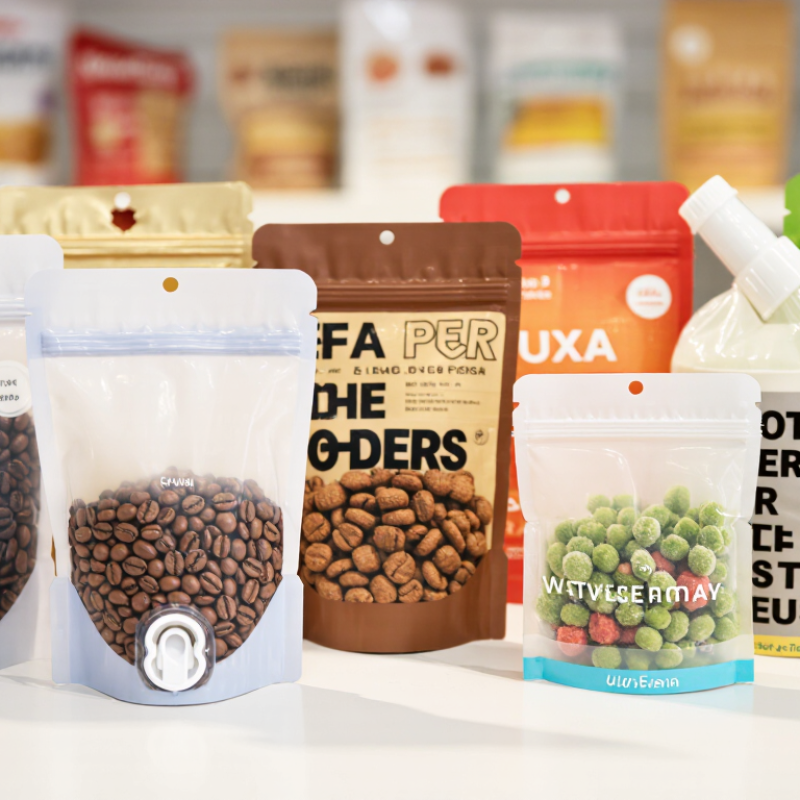
Resealable pouches are flexible packages that open, dispense, and close again with a zipper, slider, or press-to-seal track. Unlike single-use bags, they help protect contents after opening.
Common formats include stand-up pouches, flat pouches, spouted pouches, and side-gusset designs. Each format serves a different handling need.
Global buyers choose them because they reduce shipping volume and often weigh less than rigid containers. A stand-up pouch can sit neatly on a retail shelf, while a spouted pouch supports controlled pouring.
Resealable closures also help limit exposure to air, moisture, dust, and accidental spills. For food, household products, and personal-care items, buyers usually assess barrier layers, seal strength, zipper alignment, and filling-line compatibility.
Small details matter.
In practical sourcing work, packaging should be tested with the actual product, not only judged by appearance. A pouch may look strong but leak after repeated opening. It may also stand well when empty and collapse when filled.
Buyers should request samples, check closure performance, and review production quality records. Material selection needs careful thought too.
Some multilayer structures provide excellent protection but may complicate recycling. Reusable does not automatically mean environmentally friendly. That distinction is easy to miss.
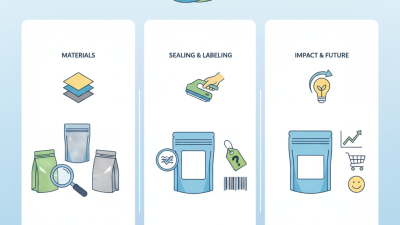
2026 Top Types of Resealable Pouches for Global Buyers
How Resealable Pouches Are Classified by Closure, Material, and Structure
Resealable pouches are commonly classified by their closure system. Press-to-close zippers suit snacks, powders, and daily-use products. Slider zippers offer easier opening when users wear gloves or have limited hand strength. Spouts support controlled pouring for sauces, drinks, and liquid concentrates. Some pouches also use hook-and-loop closures, although they can collect dust over time. Small details matter.
Material classification affects barrier performance, flexibility, and disposal options. Polyethylene films provide softness and reliable heat sealing. Polypropylene can offer strong clarity and useful moisture resistance. Laminated structures combine layers for oxygen, light, or aroma protection. Paper-based outer layers create a natural appearance, but they still need an effective inner barrier. Recyclability claims require careful review of local collection systems and actual pouch composition.
Structure describes how the pouch is built and filled. Flat pouches save space and work well for lightweight products. Stand-up pouches use a bottom gusset, giving better shelf visibility and stability. Side-gusset designs hold larger volumes, but they may need stronger seals. Manufacturers should test filled samples, not only empty packaging. A zipper that works in a sample room may fail after transport vibration or oily residue. That part is easy to overlook. Temperature, seal width, and filling speed also influence reliability. No classification is perfect; product behavior and regional handling conditions must guide the final choice.
| Resealable Pouch Type | Closure Classification | Common Material Structure | Typical Product Applications | Barrier Performance | Key Functional Advantages | Important Buyer Considerations |
|---|---|---|---|---|---|---|
| Press-to-Close Stand-Up Pouch | Press-to-close zipper Top seal | Printed PET / PE or PET / metalized PET / PE | Dry foods, snacks, pet treats, powders, household products | Medium to high moisture barrier; optional oxygen and light protection | Good shelf presentation, stable upright format, convenient repeated opening | Specify zipper strength, filling temperature, pouch volume, and seal width |
| Slider-Zipper Stand-Up Pouch | Slider zipper Tamper-evident top seal | PET / PE, PET / metalized PET / PE, or nylon / PE for demanding applications | Bulk snacks, pet food, coffee products, frozen foods, powdered goods | Medium to high barrier depending on the inner and outer layers | Easy to open and close, suitable for frequent use, improved consumer handling | Slider compatibility, zipper track alignment, package headspace, and closure dust resistance |
| Flat Reclosable Pouch | Press-to-close zipper Three-side seal | PE / PE, PET / PE, or PET / metalized PET / PE | Spices, seeds, confectionery, small hardware, samples, personal-care refills | Low to high barrier, selected according to the product sensitivity | Efficient use of storage space, low material consumption, convenient small-pack format | Check filling tolerance, zipper position, seal contamination risk, and hanging-hole needs |
| Quad-Seal Resealable Pouch | Press-to-close zipper Four-corner seal | PET / PE, PET / metalized PET / PE, or paper / PE laminate | Coffee beans, pet food, premium snacks, grains, and dry ingredients | Medium to high barrier; suitable for products requiring stronger aroma retention | Strong structure, broad front and back panels, good shelf stability | Requires accurate forming and filling equipment; zipper placement affects usable volume |
| Box-Bottom Resealable Pouch | Press-to-close zipper Box-bottom construction | PET / PE, PET / metalized PET / PE, or high-barrier laminate | Dry pet food, coffee, snacks, nutritional powders, and household granules | Medium to high barrier; high-barrier layers can improve oxygen and moisture protection | Large usable volume, stable base, premium appearance, and efficient shelf utilization | Confirm bottom gusset dimensions, load-bearing capacity, and filling-line compatibility |
| Spout Resealable Pouch | Screw cap Fitment and cap | PE / PE, PET / PE, or PET / nylon / PE for higher mechanical strength | Liquid beverages, sauces, purées, detergents, personal-care products | Medium to high barrier; liquid products may require oxygen, light, or aroma protection | Controlled pouring, reduced spill risk, lightweight shipping format, repeat usability | Specify spout diameter, cap torque, leak testing, filling temperature, and product viscosity |
| Child-Resistant Resealable Pouch | Child-resistant zipper Tamper-evident seal | Printed PET / PE, nylon / PE, or high-barrier multilayer laminate | Selected household chemicals, regulated products, and safety-sensitive goods | Medium to high barrier, subject to product and regulatory requirements | Helps reduce unintended access while retaining a flexible package format | Child-resistance performance must be validated against the destination-market standard |
| Paper-Laminated Resealable Pouch | Press-to-close zipper Top seal | Paper / PE, paper / metalized PET / PE, or paper / barrier coating / PE | Tea, dry foods, bakery products, snacks, and natural-product packaging | Low to high barrier depending on the inner barrier layer | Paper-based outer appearance, printable surface, and good consumer appeal | Paper content does not automatically mean recyclable; verify local recycling guidance and laminate composition |
| Mono-PE Resealable Pouch | PE zipper Heat-sealed top | PE / PE or oriented PE / PE with compatible barrier coatings | Dry foods, pet treats, personal-care refills, and selected household products | Low to medium barrier; enhanced grades can provide higher moisture or oxygen protection | Designed for polyethylene-based recycling streams where accepted by local systems | Recyclability depends on local infrastructure, approved specifications, inks, coatings, and zipper compatibility |
| High-Barrier Foil Resealable Pouch | Press-to-close zipper Heat seal | PET / aluminum foil / PE or PET / aluminum foil / nylon / PE | Oxygen-sensitive foods, powdered beverages, pharmaceuticals, and aroma-sensitive products | Very high protection against light, oxygen, moisture, and aroma transfer | Extended product protection and strong resistance to external environmental exposure | Multilayer construction is generally difficult to recycle; evaluate end-of-life requirements and seal integrity |
| Gusseted Reclosable Pouch | Press-to-close zipper Side or bottom gusset | PE / PE, PET / PE, PET / metalized PET / PE, or nylon / PE | Bulk dry foods, pet products, powders, grains, and refill packaging | Medium to high barrier according to the selected laminate | Expandable capacity, efficient packing, and improved standing or storage performance | Measure filled dimensions rather than empty dimensions when planning cartons and pallets |
| Vacuum-Resealable Pouch | Press-to-close zipper Vacuum-compatible seal | Nylon / PE, PET / PE, or other puncture-resistant multilayer films | Fresh foods, processed meats, seafood, cheese, and selected non-food products | High oxygen and moisture protection when properly evacuated and sealed | Can reduce air exposure and support compact packing before opening | Confirm puncture resistance, vacuum equipment compatibility, seal temperature, and cold-storage performance |
Resealable pouches now serve snacks, powders, pet food, sauces, and household refills. The Flexible Packaging Association reported approximately $40.2 billion in U.S. flexible packaging sales in 2023. That scale reflects broad demand, not one universal pouch design.
For dry snacks, press-to-close flat pouches offer efficient storage and repeated opening. A 100-gram pouch may need only a narrow zipper and a strong top seal. Stand-up pouches suit pet food, grains, and detergent refills because their gussets create shelf stability. They also provide more printable surface area. For sauces and concentrates, spouted pouches reduce spills during pouring. The opening must match product thickness and filling speed. A narrow spout can frustrate users.
Retort pouches support shelf-stable meals and high-temperature processing. They require heat-resistant films, reliable seals, and validated sterilization conditions. Vacuum pouches work well for meat, cheese, and coffee applications where oxygen control matters.
Smithers’ report, The Future of Global Flexible Packaging to 2028, identifies convenience and lightweight formats as continuing market drivers.
Still, lightweighting alone does not guarantee better packaging. Weak corners, zipper contamination, or poor puncture resistance can create costly failures. Buyers should test drop strength, seal integrity, opening force, and storage performance before approving production. Local recycling infrastructure also deserves attention; a technically resealable pouch may remain difficult to recover.
Resealable pouches include stand-up, flat, side-gusset, and spouted formats. Each design serves different products and filling conditions. A zipper pouch may suit dry snacks, while a spout pouch supports controlled pouring. The package should stand securely on a retail shelf. Small details matter.
Barrier performance needs measurable evidence, not attractive claims. Ask for oxygen transmission, moisture transmission, light protection, and seal-strength data. Testing should reflect real storage conditions, including heat, humidity, and transport pressure. Test it cold. A strong film can still fail at the zipper or corner seal. In practical evaluations, repeated opening often exposes weak tracks and poor alignment. The difference is visible.
Sustainability requires a wider view than material labels. Mono-material structures can simplify recycling, but local collection systems may not accept them. Recycled content can reduce virgin plastic use, yet it may affect clarity, strength, or food-contact suitability. Compostable films need suitable facilities and careful moisture testing. The promise is not always the outcome. Customization should cover pouch size, zipper style, tear notch, window, print coverage, and filling speed. Request prototypes before approving production. I would also compare minimum order quantities and replacement lead times, because a beautiful pouch becomes expensive when every small revision requires a new setup.
Selecting a resealable pouch supplier requires more than comparing prices. Global buyers should inspect the pouch structure, zipper performance, and production controls. Ask whether the film provides suitable moisture, oxygen, light, and puncture resistance for the product. A pouch for dry snacks may need different protection from one used for powdered ingredients.
Request production samples, not only digital images. Open and close the zipper repeatedly. Check whether the seal stays intact after filling, transport, and temperature changes. Small details matter. A weak corner can cause leakage. The opening should feel smooth, without sharp film edges. Ask for test reports covering seal strength, drop resistance, and barrier performance. Reports should identify test methods, dates, and sample conditions.
Supplier reliability also depends on traceability and communication. Review material specifications, batch records, quality inspection steps, and corrective-action procedures. Confirm that the supplier understands the destination market’s packaging and labeling requirements. Ask about minimum order quantities, tooling fees, lead times, and replacement policies before approving production. An on-site audit can reveal storage problems that documents miss. It is also useful to test a pilot shipment under realistic warehouse conditions. A perfect sample may hide inconsistent output. No supplier gets every detail right. Buyers should record defects honestly and discuss how quickly they can be corrected. Clear evidence is more valuable than confident promises.
Interested in working with our team? Reach out to our team for a no-strings-attached consultation.
1 (833) PPC-FLEX
1111 Busch Pkwy
Buffalo Grove, IL 60089, USA