1111 Busch Pkwy, Buffalo Grove, IL 60089, USA

1 (833) PPC-FLEX

Why Is Shrink Wrap Film Used for Packaging?

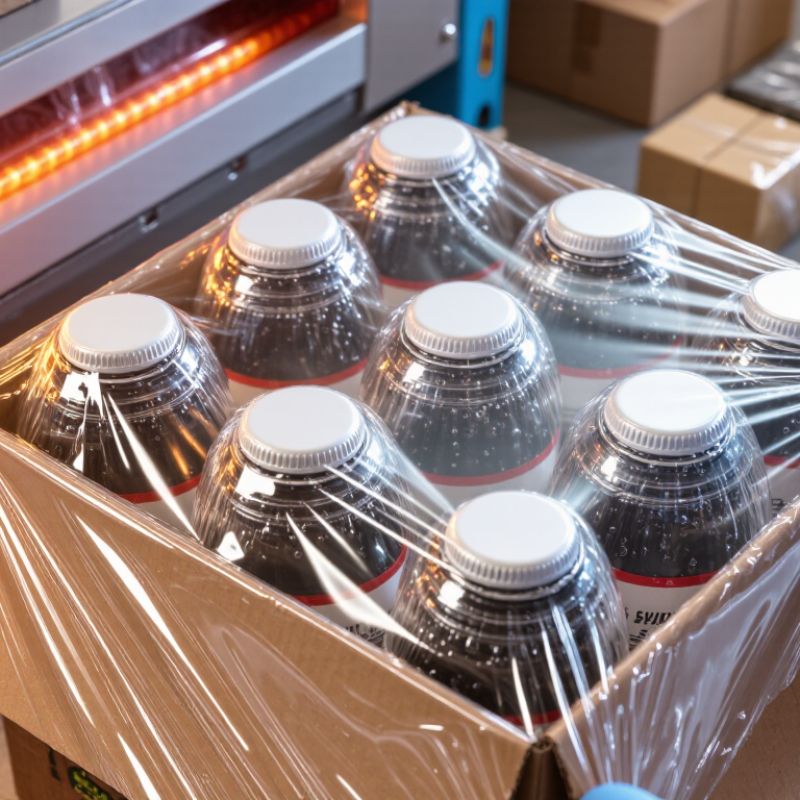
Shrink wrap film is used for packaging because it creates a close, protective layer around products. When heated, the film contracts and follows the product’s shape. This helps reduce movement, dust, moisture exposure, and surface scuffs during storage or transport. A carton of bottled drinks, for example, can remain stable when the film grips each bottle tightly. That simple tension matters.

Packaging researcher Dr. Susan Selke offers a useful principle: “Packaging should protect the product with the least necessary material.” Shrink wrap film supports that goal when selected and applied correctly. It can bundle several items without requiring a separate box for every unit. It also provides clear product visibility. Retail workers can inspect labels without opening the package.

Still, shrink wrap film is not a perfect answer. Poor temperature control may create holes, wrinkles, or excessive shrinkage. Thin film can fail under sharp edges. Overly thick film may add unnecessary material and cost. These details are easy to overlook. They should not be.

This article examines why businesses choose shrink wrap film, how it protects packaged goods, and where its limitations appear. It considers film thickness, heat settings, sealing quality, and handling conditions. Practical packaging experience shows that performance depends on the entire process, not the film alone. A well-designed package balances security, appearance, efficiency, and responsible material use. Sometimes, the best result comes from using less film, not more.
Why Is Shrink Wrap Film Used for Packaging?

What Is Shrink Wrap Film?

Shrink wrap film is a thin plastic material that tightens when exposed to controlled heat. It usually contains polyethylene, polyolefin, or PVC, depending on the package and required performance. The film arrives as a loose sleeve, sheet, or bag. Heat reduces its surface area and pulls it closely around the product. The result feels like a clear, protective skin.

This process differs from stretch wrapping. Stretch film depends on mechanical tension, while shrink film depends mainly on heat. In packaging trials, a well-sealed film can hold cartons together, limit dust exposure, and show visible tampering. It also improves product presentation because labels, colors, and shapes remain visible. However, the seal can fail when the film is too thin or the heating tunnel is poorly adjusted. Small wrinkles matter.

A 2024 Smithers industry report estimates continued growth in global flexible packaging demand, driven partly by lightweight films and efficient material use. Another professional market analysis, published by Grand View Research, identifies polyethylene as a major material in the broader plastic film sector. These figures describe market direction, not proof that every shrink film choice is sustainable. That distinction matters.

Shrink film is not automatically environmentally friendly. Its lower weight may reduce transport demand, yet recycling depends on resin type, additives, collection systems, and local facilities. Packaging engineers should test seal strength, shrink temperature, puncture resistance, and end-of-life options before selecting a specification. Clear film looks simple. Its performance is not.

How Does Shrink Wrap Film Work?

Why Is Shrink Wrap Film Used for Packaging?

Shrink wrap film works through controlled heat and tension. The film is made from plastic polymers stretched during manufacturing. This stretching stores energy inside the material. When heat reaches the film, the polymer chains try to return to their earlier shape. The film then contracts around the product.

The process usually begins with placing film around an item or grouped products. A sealing tool closes the film, leaving a small opening or seam. Heat from a tunnel or handheld device softens the film evenly. As it shrinks, the material follows the product’s shape and creates a close outer layer. Air pockets may reduce, but they do not always disappear completely.

A tight fit helps limit dust, moisture splashes, and surface abrasion during handling. It also keeps bundled items together on shelves or during transport. In practical packaging work, heat must match the film type and product shape. Too little heat leaves loose wrinkles. Too much heat can cause holes, distortion, or weak seams. Care is essential.

It is easy to judge quality by appearance alone. That can be misleading. A smooth package may still have hidden pinholes or a fragile seal. Sharp corners often need protection before wrapping. Products sensitive to heat may also require another packaging method. Good results depend on film thickness, shrink ratio, sealing quality, and consistent temperature control.

Why Is Shrink Wrap Film Used for Packaging? - How Does Shrink Wrap Film Work?

Packaging Dimension Typical Data or Range How It Affects Packaging
Primary purpose Creates a tight protective layer around products or grouped packages Helps reduce movement, abrasion, dust contamination, and handling damage
Common film materials Polyolefin (POF), polyethylene (PE), and polyvinyl chloride (PVC) Material selection depends on required strength, clarity, sealing method, and end-use conditions
Typical film thickness Approximately 9–100 micrometres (µm), depending on material and application Thinner films reduce material use, while thicker films generally provide greater puncture and load resistance
Shrink direction Single-direction or cross-direction shrink, depending on film construction The shrink direction must be aligned with the product shape and packaging equipment
Typical shrink percentage About 5–50%; many commercial films are designed for roughly 10–30% shrinkage in one or both directions Higher shrink potential produces a tighter fit but requires accurate temperature and process control
Activation temperature Commonly approximately 80–200°C, depending on polymer type, film grade, and equipment The film must be heated enough to activate shrinkage without distorting the product or damaging the film
Heating methods Heat tunnel, hot-air gun, or controlled hot-air system Uniform airflow and temperature help prevent wrinkles, holes, incomplete shrinkage, and overheating
How shrinkage works During film production, polymer chains are oriented while the material is stretched; heat allows the chains to relax toward their earlier arrangement The film contracts around the product and forms a close-fitting package
Product visibility Clear films can provide high transparency and gloss; opaque or printed films are also available Transparent packaging supports product inspection and barcode scanning without opening the package
Tamper indication A sealed or perforated shrink band can show visible disturbance when opened or damaged Provides a visual indication of package interference, although it is not a complete security system
Moisture and dust protection The film acts as a physical barrier against surface dust and light splash exposure Useful for storage and transport, but ordinary shrink film is not automatically waterproof or hermetic
Load bundling Multiple products can be grouped into one stable handling unit Improves unitization and can reduce the need for separate cartons or bands in suitable applications
Typical applications Retail multipacks, food and beverage overwrap, printed materials, consumer goods, and pallet stabilization The required film strength, shrink behavior, and sealing method vary by product and distribution environment
Important limitations Film can tear, puncture, wrinkle, or shrink unevenly when the wrong thickness, temperature, or sealing settings are used Packaging performance depends on product geometry, film specification, equipment, and operator settings
Recycling consideration Recyclability varies by polymer type, additives, inks, local collection systems, and contamination level The film should be identified and disposed of according to applicable local recycling guidance

Note: The numerical ranges are general industry ranges. Actual performance should be verified against the technical specification of the selected film and packaging equipment.

Why Is Shrink Wrap Film Used for Packaging?

Shrink wrap film is used for packaging because it creates a tight, protective layer around products. When heated, the film contracts and follows the product’s shape. This helps hold cartons, trays, and bundled items together during storage and transport. A properly sealed package resists dust, light moisture, and surface scratches. It also keeps labels visible through the clear film. That matters on a busy warehouse shelf.

From practical packaging work, the biggest benefit is stability. Several small boxes can become one secure unit. The film reduces shifting on pallets and makes handling faster. It uses less material than many rigid outer containers, which can lower packaging weight and shipping costs. However, results depend on correct temperature, film thickness, and sealing technique. Too much heat can damage sensitive products. Too little heat leaves loose folds and weak protection.

Shrink wrap is not a perfect solution. Some films create plastic waste and may be difficult to recycle when mixed with labels or other materials. Packaging teams should measure the product carefully and avoid excessive film overlap. A reliable process includes regular seal checks, clean equipment, and safe heat settings. Small details matter. When selected responsibly, shrink wrap film offers practical protection, clear product visibility, and efficient unit packaging.

What Products Can Shrink Wrap Film Protect?

Shrink wrap film protects products by forming a close, transparent layer around their surfaces. It helps shield cartons, containers, and bundles from dust, light moisture, scuffs, and handling damage. The film also keeps several small items together during storage or transport. It stays clear.

Common applications include boxed electronics, books, cosmetics, household goods, toys, and prepared retail bundles. For example, film can cover a carton of ceramic cups, reducing surface abrasion between boxes. It can protect paper packaging from damp warehouse floors, provided the package is raised properly. Food products may also use shrink film, but the material must be approved for direct food contact. A packaging engineer should confirm temperature limits and migration requirements.

Shrink wrap film is useful, but it is not a complete barrier. Sharp corners can puncture it, while trapped moisture may affect sensitive products. Heat can also damage certain plastics, labels, batteries, or delicate finishes. Perforated film may work better when ventilation is necessary. Not every product needs tight wrapping. Overwrapping can increase material use and complicate recycling, which deserves honest review. In practical packaging checks, workers should test seal strength, film thickness, product temperature, and storage conditions before regular production.

What Are the Benefits and Limitations of Shrink Wrap Packaging?

Why Is Shrink Wrap Film Used for Packaging?

Shrink wrap film protects products with a close, flexible skin. Heat makes the film contract around cartons, trays, or grouped items. This reduces movement during handling and helps block dust, splashes, and minor surface damage. It also provides visible evidence when a package has been opened. In warehouse practice, a properly tuned wrap can stabilize uneven loads better than loose stretch film. That advantage is not automatic. Poor heat control can cause holes, wrinkles, or product distortion.

The market is still expanding. Grand View Research estimated the global shrink films market at about 9.8 billion US dollars in 2023. Its report projects continued growth through 2030, supported by food, beverage, and consumer goods packaging. Shrink film can also use less material than rigid secondary packaging for some product groups. It is lightweight. Transport emissions may decrease when packaging weight falls. However, the result depends on film thickness, transport distance, and package design.

Limitations deserve equal attention. Most shrink films require heat, which adds energy demand during packing. Mixed layers, printed surfaces, and attached labels can make recycling difficult. The European Environment Agency reported that the European Union recycled about 41% of plastic packaging waste in 2022. That figure covers all plastic packaging, not shrink film alone. Film collection remains inconsistent in many areas. A recyclable claim may therefore fail in real disposal conditions. Designers should test sealing strength, heat settings, and local recovery access before changing packaging. Small trials often expose problems that laboratory samples hide.