What Are the Top Can Sealing Machine Types in 2026?
In 2026, choosing a Can Sealing Machine is less about buying the fastest unit and more about matching the seaming method to the can, product, and production line. A small craft producer may need a compact semi-automatic seamer. A high-volume beverage plant may require a rotary system with continuous operation and in-line inspection. The distinction matters. A poor match can mean unstable seams, frequent changeovers, or avoidable downtime.
Industry reports offer useful context, but not a universal machine ranking. PMMI’s 2024 State of the Industry report examines packaging machinery trends, including automation and manufacturers’ need for operational flexibility. The Can Manufacturers Institute’s reporting on beverage-can recycling also highlights why material efficiency and reliable production remain important considerations. These sources help frame the decision; they do not prove that one seamer type suits every facility. Buyers should compare demonstrated line speed, supported can dimensions, seam inspection options, changeover time, and service availability.
The best shortlist usually includes manual or semi-automatic machines, single-head automatic seamers, and multi-head rotary systems. Each brings trade-offs. More speed can mean greater integration needs. Simpler equipment can be easier to maintain, but may limit throughput. Here’s the practical point: the seam must be consistent. A named expert quotation cannot be responsibly attributed without a verifiable source, and none was supplied for this request. Rather than invent one, this guide will compare machine types using measurable operating requirements and clearly identified industry sources.
What Is a Can Sealing Machine and How Does It Work?
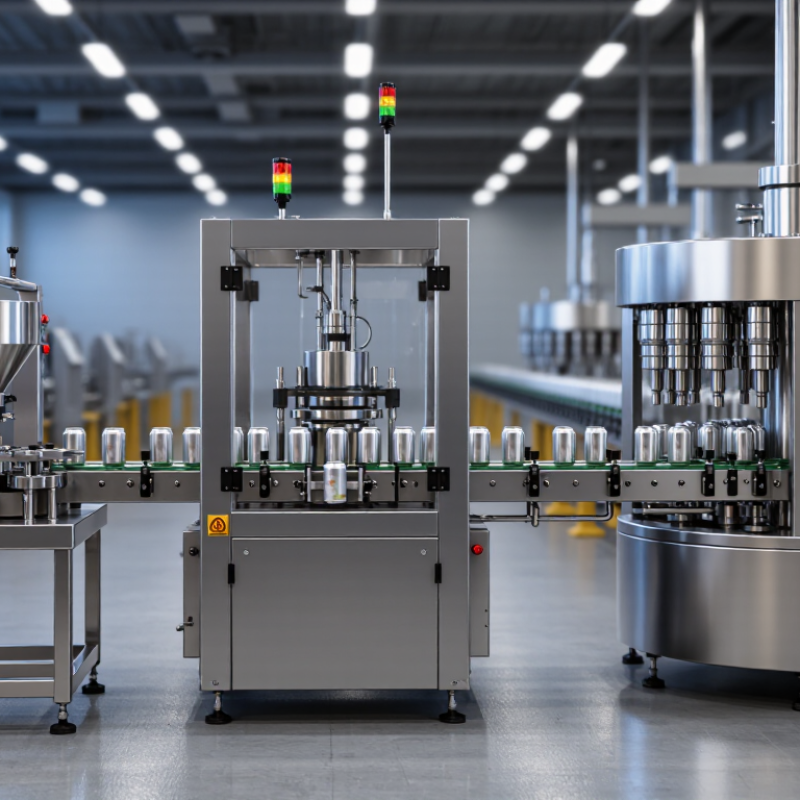
A can sealing machine joins a filled can body to its lid, called an end, by forming a double seam. The can sits on a base plate while a chuck holds the end in place. Seaming rolls then shape the lid and body flanges together in two operations. The first roll forms the interlocked layers; the second presses them into a compact seam. Small details matter. Roll wear, alignment, and can height can affect the result. A seam may look smooth and still need inspection.
After setup, operators check samples by measuring seam dimensions and examining cut sections. These checks help detect loose overlaps, wrinkles, or excessive tightness before a problem spreads across a run. Settings vary with can and end design, so copying a previous machine setup is not always reliable. The Can Manufacturers Institute reported a 43% U.S. aluminum beverage-can recycling rate for 2023. That industry data offers useful context: sound seams help protect product quality through handling and recovery, though sealing alone does not determine recyclability. In practice, line speed can draw attention away from inspection. It should not. A brief review of seam records can reveal drift that a quick visual check misses.
Top Can Sealing Machine Types in 2026
Indicative production-speed ranges by machine type, in cans per minute. Actual throughput varies with can size, product, and line configuration.
How it works: A can sealer positions the can body and lid, then rotates the can while seaming rollers form and tighten a double seam that joins them. Manual and semi-automatic machines need more operator involvement; automatic inline and rotary machines feed and seal cans as part of a production line.
What Are the Main Types of Can Sealing Machines?
Can sealing machines are commonly grouped by how much work an operator performs and how containers move through the equipment. Each machine presses a lid against a can body and forms a tight double seam with rollers. Seam quality depends on compatible tooling, correct setup, and regular inspection—not speed alone.
Manual sealers suit small batches and trials. The operator places each can and starts the sealing cycle, so output is limited but adjustments are straightforward.
Semi-automatic machines reduce repetitive effort while still requiring an operator to load or position containers. They often fit small production rooms.
Automatic machines feed, position, and seal cans with less hands-on handling, making them useful for steady, higher-volume lines. They need careful setup and maintenance.
Machines can also be distinguished by layout. Inline models move cans along a straight conveyor; rotary models carry them around a rotating turret and can serve several stations in sequence.
Some systems include vacuum or gas-flushing features for products that need reduced oxygen exposure. Not every product needs that complexity.
I would not choose by advertised speed alone; can diameter, lid type, material, and actual seam measurements matter more. A quick visual check helps, but periodic seam evaluation gives a more dependable picture.
How Do Can Sealing Machines Differ in Speed and Automation?
Can sealing machines vary widely in speed and automation. A manual seamer suits small batches, where an operator places each can and starts the cycle. It is hands-on. Output depends on the person, can size, and time needed to check each seam. Semi-automatic models reduce repetitive effort: an operator loads cans, while the machine applies a consistent closing cycle. They can improve rhythm without requiring a fully integrated line. For frequent changeovers or limited floor space, that balance may matter more than peak speed.
Automatic inline and rotary machines feed cans through sealing stations with less direct handling. Inline systems suit a steady flow; rotary designs can process several cans around a rotating turret. Actual output depends on diameter, lid style, product residue, and how reliably upstream equipment supplies cans. Ask for sustained production rates, not just brief maximum-speed figures. Watch a trial run: cans should arrive evenly, seams should be checked at intervals, and jams should be easy to clear. Faster is not always better. A high-speed line may require more staff for inspection and maintenance, and mismatched fillers can leave the seamer waiting. Choosing a machine is a little less tidy than comparing speed charts.
Which Industries Use Different Can Sealing Machine Types?
Can sealing machines serve very different industries, even when their cans look similar. Small food producers often use tabletop or semi-automatic machines for short runs of sauces, beans, or specialty vegetables. Operators can adjust the setup between batches and inspect seams closely. That flexibility matters. It may slow production, though, and manual handling can introduce inconsistency.
Beverage plants typically rely on automatic rotary seamers built for steady, high-volume lines. Coffee packers may pair a seamer with gas flushing to help protect aroma, while seafood processors often prioritize durable equipment and careful seam checks in wet, demanding environments. Cosmetics and household-product makers may choose compact inline systems suited to varied container sizes and frequent changeovers. A machine’s speed is only one part of the decision. Product residue, washdown needs, lid design, and the skill of the maintenance team all affect performance. There is no perfect category, and real production trials can reveal problems that a specification sheet misses.
What Factors Help Determine the Right Can Sealing Machine?
Choosing a can sealer starts with the container, not the machine catalogue. Confirm can diameter, height, material, lid design, and required seam specification. A rotary seamer may suit steady, high-volume production; a semi-automatic unit may fit shorter runs and frequent changeovers. Match rated speed to actual demand, too. A machine running constantly near its limit leaves little room for stoppages. Too much capacity can waste floor space and capital. It happens.
The Aluminum Association’s Aluminum Can Advantage reports that recycling aluminum uses about 95% less energy than producing primary aluminum. This makes reliable sealing and material compatibility practical considerations, especially when recycled-content cans are part of the supply. Ask suppliers to test your actual cans and ends, then inspect seam measurements and leak results. Check changeover time, cleaning access, operator training, spare-part availability, and utility requirements. PMMI’s State of the Industry research also tracks automation and workforce constraints across packaging operations, so consider whether controls simplify real tasks—not just add features. I would verify the figures on your own line; published speeds rarely capture every small adjustment. A fast trial beats a polished brochure.
