What is Shrink Wrap Packaging and How Does It Work?
Shrink wrap packaging is a vital process in today’s logistics and retail landscape. Renowned industry expert, Dr. Emily Harper, states, "Shrink wrap packaging not only enhances product safety but also boosts shelf appeal." This technology involves using heat to shrink a plastic film tightly around products. It's widely used for bundling and protecting various items, ensuring they remain intact during transport and storage.
Understanding the mechanics of shrink wrap packaging reveals its importance in multiple sectors. From food to electronics, the applications are diverse. The versatility of this packaging method makes it beneficial for businesses aiming to improve efficiency. However, not all shrink wrap solutions are equal. Some products may require custom sizes or materials, highlighting the need for careful selection.
As we dive deeper into shrink wrap packaging, it’s essential to recognize its environmental impact. While effective, excessive plastic use raises concerns. Exploring alternatives without compromising safety and presentation is crucial for the future of this packaging method. Balancing efficacy and sustainability poses a challenge for manufacturers – a topic that warrants ongoing reflection and innovation.
What is Shrink Wrap Packaging?
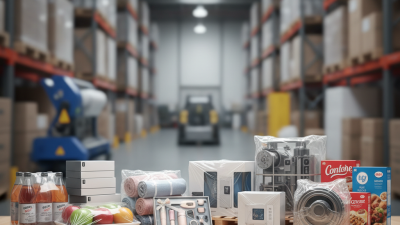
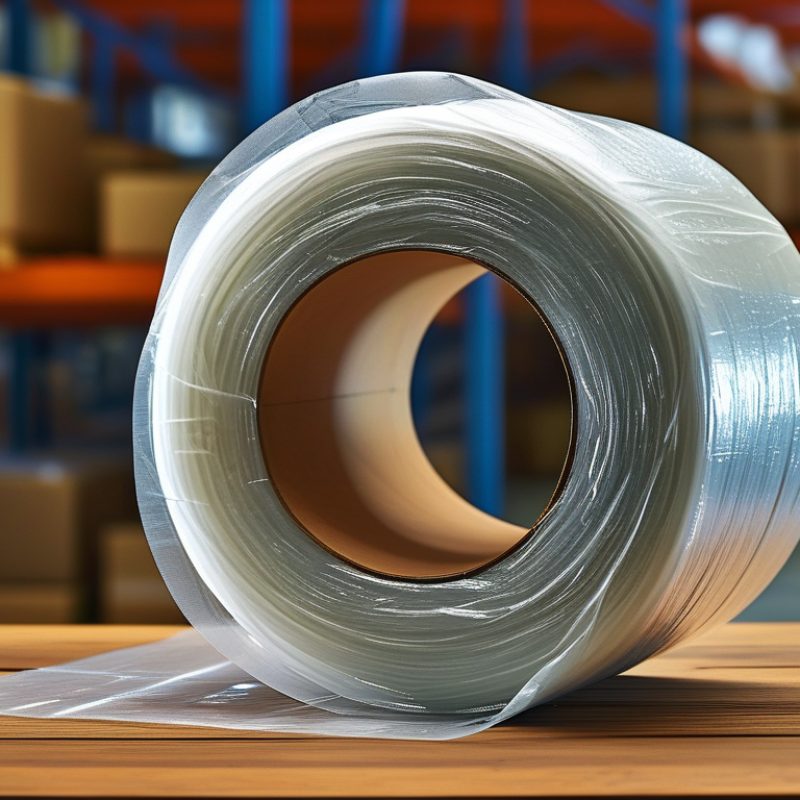
Shrink wrap packaging is an essential method used in various industries. This technique involves a plastic film that shrinks tightly around products when heated. The goal is to provide protection, stability, and visibility. It is often utilized for packaging food items, electronics, and even pallet loads.
When heated, the shrink wrap conforms closely to the shape of the product. This tight fit keeps items secure and reduces the risk of damage during transit. Additionally, it offers a clear view of the goods inside. However, the process does have drawbacks. Improper application can lead to inadequate sealing. This may result in exposure to contaminants. Not all shrink wraps are recyclable, raising environmental concerns.
The effectiveness of shrink wrap packaging relies heavily on quality materials and machinery. Understanding the correct temperature settings is crucial. Many users overlook this, leading to inconsistent results. It is important to regularly review equipment and materials for the best performance. Using shrink wrap effectively requires both attention to detail and an understanding of the specific needs of the items being packaged.
What is Shrink Wrap Packaging and How Does It Work?
| Feature |
Description |
| Material Types |
Polyolefin, PVC, and Polyethylene |
| Usage |
Used for packaging food, toys, and hardware |
| Benefits |
Protection, tamper-evidence, and improved shelf life |
| Process Steps |
Wrap product, heat application, shrink formation |
| Applications |
Presentations, displays, and bundling products |
Types of Shrink Wrap Materials Used in the Industry
Shrink wrap packaging is vital in various industries. The materials used for shrink wrap play a significant role. Understanding these materials is essential for optimal packaging results.
Polyolefin is the most commonly used type of shrink wrap. It is strong and resistant to punctures. Its clarity showcases products well. However, it can be tricky to seal properly. A tight seal is crucial for effective protection.
PVC is another popular choice. It is quite cost-effective. It provides a great deal of stretch and clarity. However, it can emit harmful fumes when heated. This aspect raises concerns about safety and environmental impact.
When choosing shrink wrap, consider your product type. Different materials suit different uses. Test samples before bulk buying. Always check compatibility with your sealing machines.
Tip: Use consistent heat settings during the shrink process. Inconsistent heat can lead to poor seals.
Another Tip: Keep your work area clean and dry. Dust and moisture can affect seal integrity.
Experimenting with materials can lead to better results. Don't hesitate to try various options to find the best fit for your needs.
The Shrink Wrapping Process: Steps and Techniques
Shrink wrapping is an efficient method for packaging products. The process involves using a plastic film that shrinks when heat is applied. This film tightly conforms to the shape of the object, providing a secure seal. It is often used for bundling multiple items, protecting them from dust and moisture.
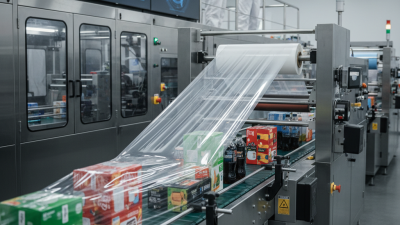
The shrink wrapping process begins with selecting the appropriate film. The material's thickness and type can impact the final result. After the items are arranged, they are placed on a platform or conveyor line. Once positioned, a heat source is applied. It can be a heat gun or an industrial tunnel heater. The film then shrinks, wrapping the items closely.
While this technique offers many advantages, challenges can arise. Uneven heat distribution can lead to incomplete sealing. Additionally, improper film selection may result in a weak package. Regular inspections and adjustments are crucial for optimal results. Understanding these details can enhance packaging quality and efficiency.
Advantages of Shrink Wrap Packaging for Products and Brands
Shrink wrap packaging offers numerous advantages for products and brands. This method effectively secures items, enhancing their protection during storage and transport.
According to a recent industry report, about 80% of manufacturers recognize shrink wrap as an optimal choice for various product types. This statistic highlights the growing trust in this packaging solution.
The tight seal created by shrink wrap prevents contamination and damage. It shields against moisture, dust, and UV light. In fact, a study showed that products wrapped in shrink film have a 25% longer shelf life compared to those in traditional packaging. This longevity not only benefits retailers but also appeals to consumers seeking durable products. Vibrant graphics and branding can be seamlessly integrated into shrink wraps, boosting visibility and identity on store shelves.
However, businesses should consider the environmental impact of shrink wrap materials. While many wraps are recyclable, not all consumers are aware of proper disposal methods. This lack of awareness can lead to increased waste. Continuous education on responsible recycling practices is necessary. Companies should also explore biodegradable alternatives to shrink wrap. Balancing protection with sustainability remains a key factor in the future of packaging solutions.
Key Industries Utilizing Shrink Wrap Packaging: Statistics and Trends
Shrink wrap packaging is becoming increasingly important across various industries. Its ability to protect products while providing a clean presentation makes it attractive for manufacturers. Industries such as food, pharmaceuticals, and electronics have adopted this packaging method due to its efficiency and cost-effectiveness.
In the food industry, shrink wrap keeps items fresher for longer. For pharmaceuticals, it ensures product integrity and tamper-proofing. Meanwhile, electronics benefit from moisture protection and dust prevention.
Recent statistics indicate that the global shrink wrap packaging market is projected to experience significant growth. Technological advancements are driving innovations in this field. Companies are utilizing new materials that are more environmentally friendly. This shift reflects a growing awareness of sustainability among consumers.
However, challenges remain, such as the balance between cost and environmentally conscious solutions.
Tips: Always consider the right shrink wrap thickness for your products. Test different sealing methods to find the most reliable one. Review supplier options regularly to ensure quality and compliance with industry standards. These small steps can lead to improvements and efficiencies in your operations.