What is Injection Molding at the 139th Canton Fair?
Injection Molding is a crucial technique in modern manufacturing. It allows for the production of complex shapes and high-quality parts rapidly. According to recent industry reports, the global injection molding market was valued at approximately $264 billion in 2020 and is expected to grow significantly.
The upcoming 139th Canton Fair will spotlight injection molding technology. This event will have a focus on advanced manufacturing and new materials, making it an ideal platform for showcasing innovations. Companies will demonstrate how injection molding can enhance production efficiency and reduce waste.
Despite its advantages, injection molding presents challenges. Setting up molds can be costly and requires precise engineering. Many manufacturers still face issues with defects and quality control. The Canton Fair offers an opportunity for industry players to discuss these challenges and explore solutions. By leveraging AI and smart navigation, attendees can quickly connect with suppliers who specialize in injection molding.
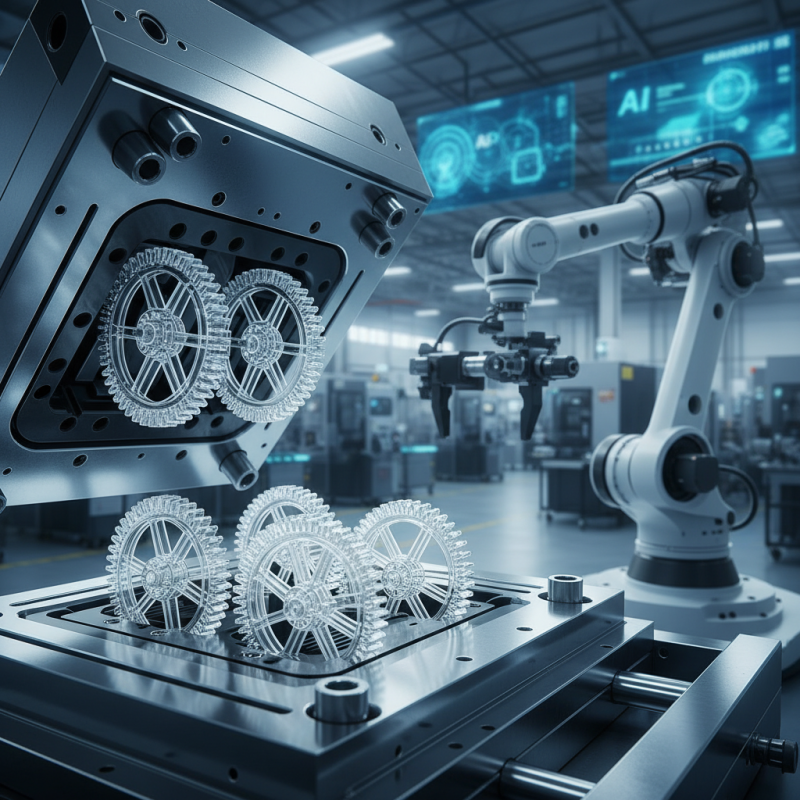
What is Injection Molding?
Injection molding is a widespread manufacturing process. It creates parts by injecting molten material into a mold. This method is efficient and precise. According to industry reports, the global injection molding market was valued at over $280 billion in 2021. The market is expected to grow significantly, reaching approximately $450 billion by 2030.
The flexibility of injection molding allows for various materials, like plastics and metals. This versatility meets diverse industry needs. However, challenges remain. For instance, mold design requires expertise. Poor designs can lead to defects, affecting product quality. Furthermore, the initial investment in molds can be high. Companies must weigh this cost against potential production volume.
Sustainability is another concern. The process generates waste, impacting the environment. Reports indicate that about 30% of materials can be wasted during production. Companies are exploring ways to reduce this. Innovations in eco-friendly materials and recycling practices are emerging, prompting necessary reflections in the industry. As injection molding evolves, addressing these challenges will be key to future success.
Key Techniques in Injection Molding
Injection molding is a crucial manufacturing process featured prominently at the 139th Canton Fair. This technique allows for the production of plastic parts with high precision and low waste. Using heat and pressure, molten material is injected into molds. The result is a finished product that meets detailed specifications.
Key techniques in injection molding include mold design and material selection. Proper mold design is vital. It ensures that each part is produced with consistent quality. Cooling channels within the mold help manage temperature. This speeds up production cycles and reduces costs. Meanwhile, choosing the right material influences the durability and finish of the final piece.
However, not all processes go smoothly. Occasionally, issues like warping or air pockets arise. These flaws can affect product integrity. Manufacturers must analyze failures to improve future outcomes. Each error presents an opportunity for learning and refining techniques. Ensuring quality while managing costs is a continuous challenge in this industry.
Applications of Injection Molding in Various Industries
Injection molding is a key manufacturing process commonly showcased at trade fairs. The 139th Canton Fair highlighted its significance across various industries. This innovative method is widely used to produce plastic parts efficiently and cost-effectively. From automotive components to household items, injection molding shapes everyday products.
In the automotive industry, injection molding plays a crucial role. It produces complex parts like dashboards and bumpers with precision. This ensures safety and performance in vehicles. Additionally, the packaging sector benefits greatly from this process. Containers, lids, and other packaging solutions come to life through injection molding. Consumers appreciate modern, lightweight designs that enhance usability.
However, not all aspects of injection molding are positive. The initial setup costs can be high. Smaller businesses might struggle to invest in machinery. Moreover, waste management is a concern. The excess plastic generated during production can lead to environmental challenges. Industries must reflect on sustainable practices to minimize waste and promote recycling.
Applications of Injection Molding in Various Industries
Innovations and Trends in Injection Molding Technology
Injection molding is a key technology in manufacturing. At the 139th Canton Fair, advancements in this field caught everyone's attention. Innovations are enhancing efficiency and product quality. The introduction of smart mold technology allows for real-time monitoring and adjustments. This results in lower production costs and waste.
Tips: When considering injection molding, think about material selection. The right materials can greatly improve the outcome. It's essential to match the process with the desired product properties. Also, consider design for manufacturability. A well-designed part simplifies the injection molding process.
Some trends are emerging. Biodegradable materials are gaining traction. These materials offer an eco-friendly alternative. Manufacturers are exploring hybrid molding methods. These combine traditional and additive manufacturing. However, challenges remain. Balancing cost with sustainability is complex. Not every company can adapt quickly. It's a work in progress, and reflection on these practices is crucial.
What is Injection Molding at the 139th Canton Fair? - Innovations and Trends in Injection Molding Technology
| Feature | Description | Trend | Impact |
| Automation | Integration of advanced robotics and AI to enhance efficiency. | Increasing automation in production. | Reduced labor costs and increased production speed. |
| Sustainability | Use of eco-friendly materials and processes. | Shift towards sustainable manufacturing practices. | Lower environmental impact and improved brand image. |
| Multi-material Injection | Combining different materials in a single mold. | Rise in demand for complex, multi-functional products. | Enhanced product features and customer satisfaction. |
| Smart Manufacturing | Use of IoT and data analytics in injection molding. | Increased connectivity of machines and systems. | Optimized processes and predictive maintenance. |
| 3D Printing Integration | Combining 3D printing with injection molding for rapid prototyping. | Growing synergy between 3D printing and traditional methods. | Faster prototype development and reduced time-to-market. |
Highlights of Injection Molding at the 139th Canton Fair
At the 139th Canton Fair, injection molding takes center stage. This manufacturing technique shapes plastic parts with precision and efficiency. Visitors can explore innovative machinery and technologies designed for various industries. Many booths showcase cutting-edge equipment that enhances production speed and reduces waste.
Tips for attendees: Focus on the live demonstrations. Seeing the machines in action offers valuable insights. Ask questions about different materials used in injection molding. Understanding the properties of these materials can improve your selection process.
Another highlight is the networking opportunities. Connecting with industry professionals can lead to collaborations. Consider joining workshops to gain deeper knowledge. However, inadequacies in communication might occur. Not all experts are approachable, and some may not have clear answers. Reflecting on these interactions can enhance your future engagement strategies. Take notes to remember key points.