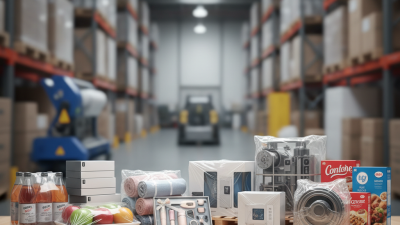
When it comes to selecting the right plastic packaging bags, the choices can be overwhelming given the wide variety of options available on the market. Plastic packaging bags are essential for numerous industries, offering durability, flexibility, and cost-effectiveness for both businesses and consumers. Understanding the type of plastic bag that best serves your unique needs is crucial for ensuring product safety, enhancing brand image, and reducing environmental impact.
Choosing the right plastic packaging bags involves considering several factors such as material type, size, thickness, and intended use. Each factor plays a significant role in the performance and suitability of the packaging. For instance, the type of plastic used can affect how well the bag holds its contents and withstands various conditions. Additionally, the size and thickness of the bag can influence not only its capacity but also its sturdiness, making it essential to understand the specific requirements of your products. With the right knowledge and guidance, businesses can make informed decisions that align with their sustainability goals while also meeting practical packaging needs.
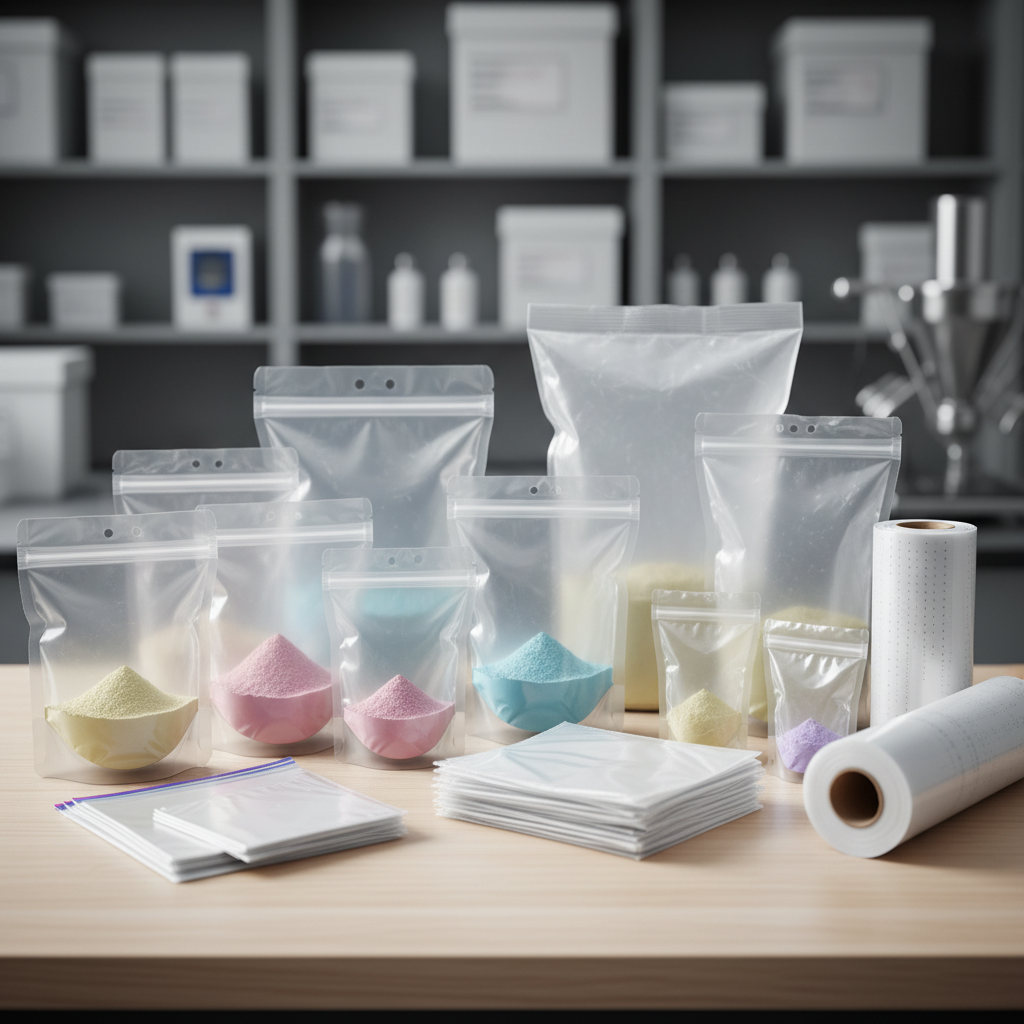
When selecting the right plastic packaging bags for your products, it is crucial to understand your specific packaging needs. Consider factors such as the nature of the product, shelf life, and storage conditions. For fast-moving consumer goods (FMCG), packaging must not only preserve freshness but also appeal to consumers visually. The booming FMCG packaging market is expected to grow from $683.72 billion in 2024 to over $1 trillion by 2032, highlighting the increasing importance of effective and strategic packaging solutions.
Moreover, sustainability is becoming a significant consideration in packaging decisions. As consumer preferences shift towards environmentally friendly options, brands are increasingly exploring biodegradable materials and innovative designs. The biodegradable electronic product packaging market, for instance, is projected to grow rapidly, driven by escalating environmental pressures. Thus, understanding your product's specific requirements can guide you in choosing packaging that not only meets industry demands but also aligns with consumer values regarding sustainability.
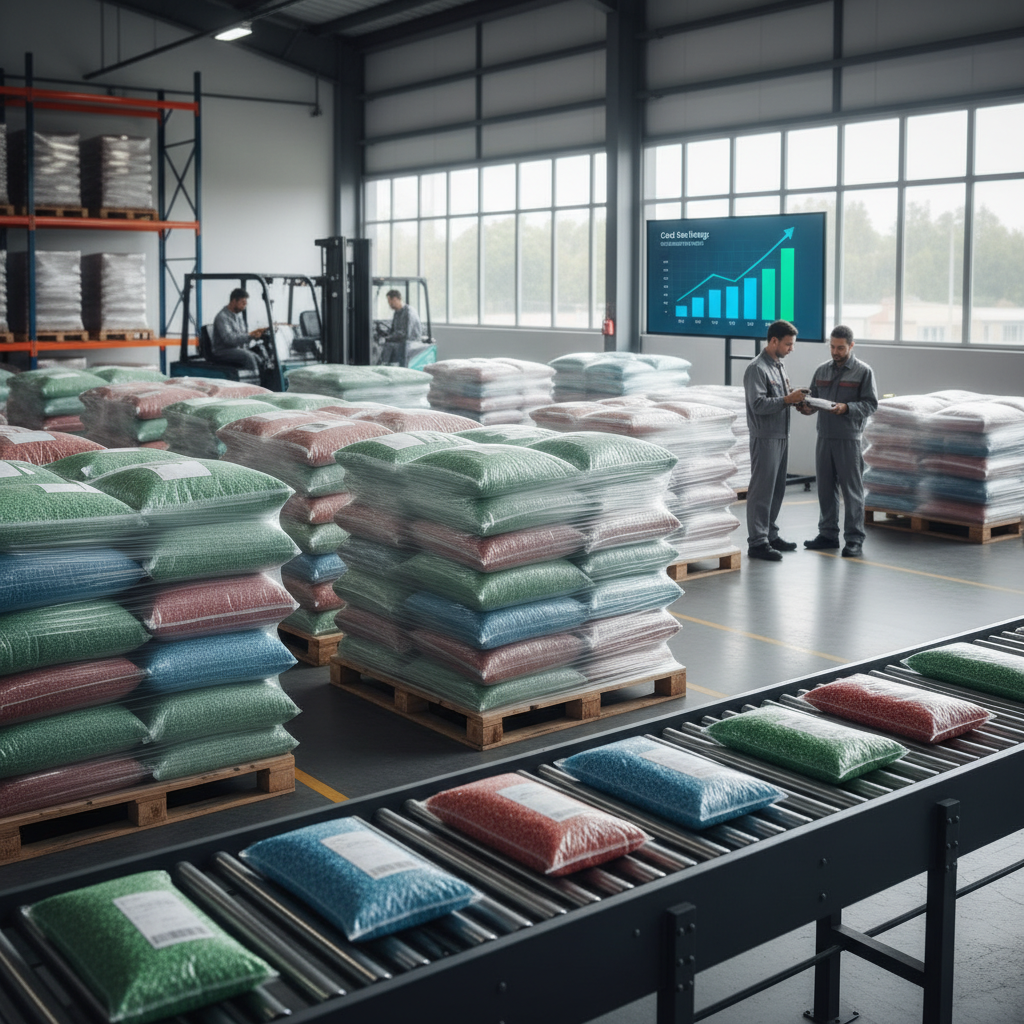
When selecting plastic packaging bags, evaluating material options is crucial for ensuring both durability and functionality. Various types of plastics offer distinct benefits, with polyethylene and polypropylene being the most commonly used. Polyethylene, known for its flexibility and toughness, is suitable for general-purpose applications, making it ideal for food packaging and retail bags. In contrast, polypropylene provides a higher temperature tolerance, making it more suitable for applications that require exposure to heat or chemicals.
Another important factor to consider is the thickness of the material. Thicker bags generally provide more resistance to punctures and tears, which is essential for products that might be subject to rough handling. Additionally, consider the environmental impact of the plastic chosen. Biodegradable and recyclable options are becoming increasingly popular, offering better sustainability without compromising on strength. By thoroughly evaluating these material aspects, businesses can ensure they select the right plastic packaging bags that meet their specific needs while maintaining product integrity.
When selecting the right plastic packaging bags, it is crucial to prioritize environmental impact and sustainability goals. According to a report by the Plastic Pollution Coalition, plastic waste will outweigh fish in the oceans by 2025 if current trends continue. This alarming statistic underscores the necessity for businesses to adopt more sustainable practices. Using biodegradable or compostable plastic bags can significantly reduce landfill contributions, as these alternatives break down more efficiently in natural environments.
Incorporating sustainable practices can also enhance brand image, as consumers are increasingly favoring environmentally responsible companies. A study by Nielsen indicated that 66% of global consumers are willing to pay more for sustainable brands. To meet these consumer demands, consider the following tips:
First, opt for bags made from recycled materials, which help minimize the carbon footprint and support recycling initiatives. Second, look for certifications such as the Biodegradable Products Institute (BPI) mark, which ensures that the bags will decompose within a specific timeframe without leaving harmful residues. By aligning packaging choices with sustainability goals, companies can not only contribute to environmental preservation but also potentially increase market share by appealing to eco-conscious consumers.
When assessing cost-effectiveness in packaging solutions, it’s vital to understand that the choice of plastic packaging bags can significantly impact both initial investment and long-term savings. According to a report by Smithers Pira, flexible plastic packaging is expected to grow at a rate of 4.4% annually, largely due to its lightweight properties and lower shipping costs. This means that businesses can save on transportation expenses, which constitutes a significant portion of a product's overall lifecycle cost.
Moreover, selecting the right plastic for packaging can enhance product shelf life and reduce spoilage. The Food and Drug Administration (FDA) states that using high-quality plastic materials can decrease food waste by up to 42%, thus saving costs associated with unsold products. Additionally, the implementation of customized packaging solutions not only provides better protection but also fosters brand recognition, leading to increased consumer loyalty. Therefore, investing time in choosing the right plastic packaging bags can yield substantial financial benefits while also supporting sustainability goals.
When it comes to selecting the right plastic packaging bags, customization options are a crucial factor that can enhance your branding and market appeal. Customized bags allow businesses to reflect their unique identity through colors, logos, and designs, creating a memorable impression on consumers. Incorporating branding elements directly onto packaging not only helps in building brand recognition but also establishes a deeper connection with the target audience. For instance, vibrant colors and distinct shapes can attract attention, while eco-friendly materials can resonate with environmentally conscious consumers.
Additionally, exploring various printing techniques and finishes can further elevate the aesthetic appeal of packaging. Options such as matte or glossy finishes, as well as embossed or debossed features, provide a tactile experience that engages customers. Moreover, the size and shape of the bags can be tailored to better suit your product's specific requirements, ensuring practicality while maintaining visual interest. By thoughtfully integrating these customization options, businesses can create packaging that not only serves its functional purpose but also communicates their brand message effectively.
| Tip Number | Tip Description | Customization Options | Market Appeal |
|---|---|---|---|
| 1 | Consider the bag type depending on your product. | Handle types, gussets, re-sealable options. | Enhanced product usability increases customer satisfaction. |
| 2 | Choose appropriate material for durability. | Biodegradable films, thicker materials, or recyclable options. | Promotes sustainability, appealing to eco-conscious consumers. |
| 3 | Focus on size and dimensions. | Custom sizes tailored to product needs. | Ensures a perfect fit, minimizing waste and cost. |
| 4 | Incorporate your brand colors and logo. | Full-color printing options, CMYK color matching. | Strengthens brand identity and recognition. |
| 5 | Choose features that add value. | Zipper closures, window panels for visibility. | Enhances customer experience, leading to high sales. |
| 6 | Evaluate cost vs. quality ratio. | Bulk ordering discounts vs. premium materials. | Better investment returns can boost profitability. |
| 7 | Think about functionality for storage and transport. | Flat vs. stand-up pouches for storage efficiency. | Improves logistics and shelf presence. |
| 8 | Assess regulatory compliance and safety. | Food-grade materials and labeling standards. | Builds trust and ensures customer protection. |
| 9 | Consider lead times for production. | In-house vs. outsourced production timelines. | Timely availability aligns with market demand. |
| 10 | Review past client testimonials and samples. | Assess quality and satisfaction from previous orders. | Informs better purchasing decisions based on experience. |
Interested in working with our team? Reach out to our team for a no-strings-attached consultation.
1 (833) PPC-FLEX
1111 Busch Pkwy
Buffalo Grove, IL 60089, USA