1111 Busch Pkwy, Buffalo Grove, IL 60089, USA

1 (833) PPC-FLEX

How to Choose the Right Polybag Packaging for Your Products?

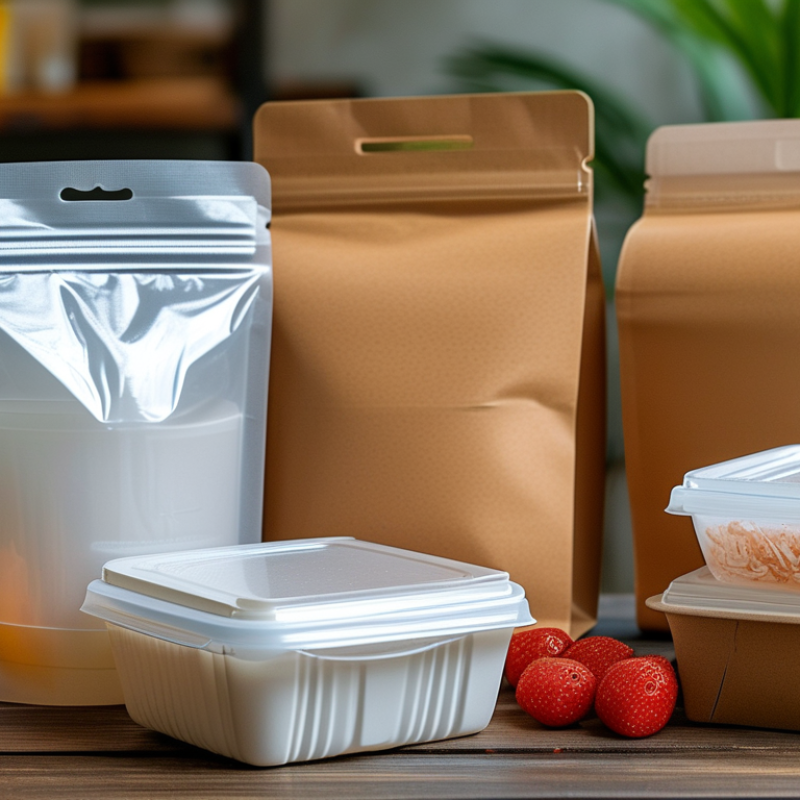
Choosing the right polybag packaging for your products is crucial for brand success. The global demand for polybag packaging is projected to grow by over 5% annually. This increase is driven by the e-commerce boom and the need for efficient, cost-effective packaging solutions. Businesses must consider factors like material type, size, and environmental impact when selecting polybag packaging.

A recent report by Smithers shows that nearly 80% of companies prioritize sustainability in their packaging choices. This trend emphasizes using recyclable materials and reducing waste. However, many companies still struggle to balance cost and sustainability. This presents a challenge for businesses aiming to meet consumer expectations while managing expenses.

Moreover, polybag packaging offers versatility. They can be used for a variety of products, from clothing to food items. Yet, the risk of product damage during transit remains a concern. Companies should evaluate their product specifications carefully to avoid costly mistakes. Considering these factors can enhance protection and customer satisfaction.
How to Choose the Right Polybag Packaging for Your Products?

Understand the Different Types of Polybag Materials Available

When selecting polybag packaging, understanding the materials is crucial. There are various types of polybags, each suited for different needs. For example, low-density polyethylene (LDPE) bags are flexible and tear-resistant. They are ideal for items that require a lightweight solution. In contrast, high-density polyethylene (HDPE) bags are more durable and offer better barrier properties. This makes them suitable for products needing extra protection.

Another option is biodegradable polybags, which appeal to environmentally conscious consumers. While these bags decompose faster, their durability may not match traditional materials. Companies must weigh the pros and cons of these options. Using less conventional materials can sometimes lead to unexpected issues, such as moisture resistance.

Your choice also affects customer perception. Customers might prefer a sturdy, professional appearance, but not all polybags project the same image. Choosing a polybag based on factors like thickness and clarity can significantly influence brand perception. Testing multiple types can lead to valuable insights, guiding you in making more informed decisions. Reflecting on past experiences with polybags can enrich this selection process.
Evaluate the Size and Shape Requirements for Your Products

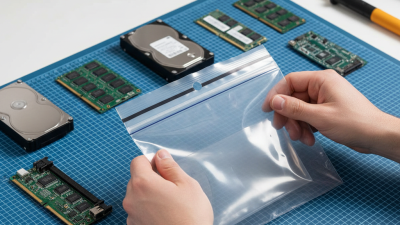
Choosing the right polybag packaging starts with understanding your product's size and shape. A well-fitted polybag reduces waste and enhances protection. According to a recent packaging industry report, over 70% of e-commerce returns occur due to improper packaging. Thus, evaluating dimensions accurately is crucial.

Consider specific measurements of your product. For instance, if your item has irregular shapes or extra accessories, you may need a customized polybag. A study from the Flexible Packaging Association highlights that 80% of consumers prefer packaging that fits their product well. This preference impacts customer satisfaction significantly.

It's also essential to review packaging performance. Polybags must withstand physical stress during transit. Research indicates that inadequate packaging can lead to damage, resulting in losses up to 25%. Rethink design choices that prioritize style over functionality. A miscalculation in size could lead to wasted resources or disappointed customers.

Consider the Weight Capacity and Durability of Polybags

Choosing the right polybag for your products involves careful consideration of weight capacity and durability. One key factor is the thickness of the polybag material. Thicker bags, often measured in mils, typically offer better strength and can hold heavier items without tearing. A bag that is too thin may lead to broken packages and dissatisfied customers. It’s vital to assess the weight of your products before making a decision.

Durability also hinges on the bag's material composition. Polyethylene is common for many applications but varies in strength. Not all polyethylene bags are created equal. Some may rip easily under pressure, while others can withstand rough handling. Always consider the conditions your product will face during shipment and storage. Is there moisture? Will it be stacked with heavy items? Evaluating these factors can help you select a more appropriate polybag.

It's important not to overlook the testing phase. You might pick a bag that seems ideal, but real-world performance can differ. Perform stress tests to see how the bag performs under various conditions. Feedback from your logistics team can also provide insights. Sometimes, the cheapest option is not the best choice. Reflect on the balance between cost and quality to make an informed decision.

Polybag Weight Capacity and Durability Comparison

Analyze the Environmental Impact and Sustainability of Polybags

When choosing polybag packaging, one must consider its environmental impact. Polybags can be made from different materials, usually polyethylene. This plastic is lightweight and durable, which are desirable traits for packaging. However, they also contribute to pollution. The production process involves fossil fuels, which emit harmful greenhouse gases.

Many consumers are concerned about sustainability. Polybags are often single-use, leading to significant waste. Some end up in landfills or oceans, harming wildlife. Biodegradable options exist, but are they truly effective? The degradation process can take years and requires specific conditions. It's crucial to research and understand these implications.

Reflecting on our choices is essential. Can we reduce reliance on polybags? Alternative materials, like paper or compostable options, sometimes offer better environmental outcomes. However, they have their own drawbacks. Transitioning to sustainable practices requires time and careful analysis. We should continuously evaluate the impact of our packaging decisions on the environment.

Explore Customization Options for Branding and Product Visibility

Choosing the right polybag for your products goes beyond mere functionality. Customization plays a crucial role in enhancing brand visibility. Consider how colors, logos, and graphics can draw attention. Vibrant colors can make your product stand out on the shelf. An eye-catching design can create a memorable first impression.

Branding should reflect your product's identity. Think about the message you want to convey. A clear logo can reinforce recognition. Unique patterns and finishes, like matte or glossy, can add an appealing touch. Remember, simplicity can often communicate elegance more effectively.

However, it's important to evaluate the effectiveness of your packaging. Gather feedback from customers about their preferences. Sometimes, what seems appealing may not resonate as intended. Testing different designs will help refine your approach. It's a process of trial and error. Always be ready to adapt.

How to Choose the Right Polybag Packaging for Your Products? - Explore Customization Options for Branding and Product Visibility

Product Type Size (inches) Material Thickness (mil) Customization Options Branding Visibility
Clothing 12 x 15 2 Printed Logo, Color Choices High
Electronics 8 x 10 4 Custom Sizes, Hang Holes Medium
Food Products 10 x 14 2 Seal Options, Clear Printing High
Toys 14 x 18 3 Graphics, Bright Colors Medium
Cosmetics 6 x 9 2 Foil Printing, Zipper Closure High