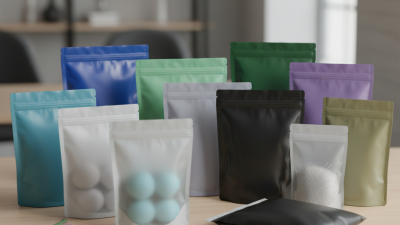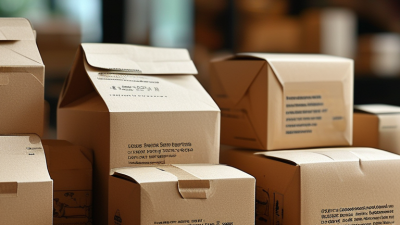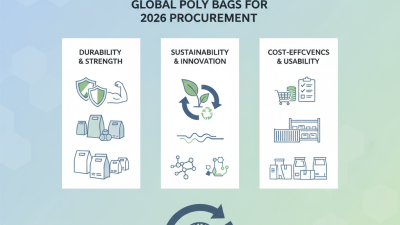
Choosing custom poly bags for global packaging needs requires more than selecting a size and printing a logo. The right bag must protect the product through manufacturing, storage, transport, and retail handling. Walter Soroka, author of Fundamentals of Packaging Technology, describes packaging as “the science, art, and technology of enclosing and protecting products for distribution, storage, sale, and use.” That principle still matters.
A practical evaluation begins with product weight, shape, moisture sensitivity, and expected handling conditions. A small electronics component may need an anti-static film, while clothing often needs clarity, light protection, and reliable seals. Thickness matters, but thicker is not always better. It can increase material use, freight weight, and disposal concerns. Sometimes, we choose too much film for peace of mind.
Material selection should match the destination market and the product’s purpose. Polyethylene grades, recycled content, seal strength, and print quality require careful technical review. Suppliers should provide specifications, sample bags, test results, and traceability records. Ask for evidence.
Global shipments also face changing packaging expectations. Check applicable recycling labels, product-contact requirements, chemical restrictions, and extended producer responsibility rules in each target region. Requirements can differ between countries and even between product categories. A trusted supplier should help identify risks, but the final compliance review deserves independent attention.
The best custom poly bags balance protection, presentation, cost, and responsible material use. Request production samples before approving large quantities. Test filled bags under realistic pressure, temperature, and stacking conditions. A bag that looks perfect on a screen may fail at a warehouse dock. Good decisions come from measurements, not assumptions.
How to Choose Custom Poly Bags for Global Packaging Needs?
Material selection controls strength, clarity, seal performance, and recyclability. Low-density polyethylene provides softness and impact resistance, while linear low-density polyethylene improves puncture resistance with less material. High-density polyethylene creates a crisper, stronger bag, but it feels less flexible. For heavy components, a blended structure may perform better than simply increasing thickness.
Construction matters just as much. A 50–100 micron film can suit lighter goods, but sharp edges may require thicker film or reinforced gussets. Heat-seal width, bottom seams, zipper tracks, and handle cutouts should match the product’s weight and movement. In real packaging trials, a thicker bag is not automatically safer. Poor sealing can still cause failure. That detail is easy to miss.
Smithers reported that the global flexible packaging market was worth more than 260 billion dollars in 2023, showing the scale of demand for efficient film structures. The OECD’s Global Plastics Outlook also estimated 353 million tonnes of plastic waste in 2019, with packaging forming a major share. These figures support a practical choice: use only the material needed, while testing recycled content, barrier layers, and end-of-life options. Performance can change between suppliers. It should be verified through drop tests, seal-strength checks, and temperature trials before global production. Small samples reveal uncomfortable problems early.
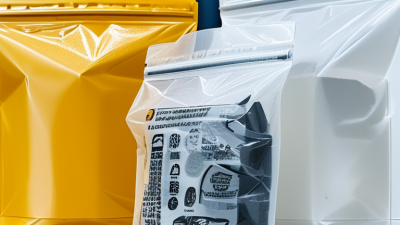
Choosing a custom poly bag starts with the product, not the artwork. Measure its length, width, height, and usable fill volume. Allow room for seals without creating unnecessary plastic waste. A heavy metal component needs stronger film than a soft textile item. Sharp edges may require reinforced corners or an inner wrap. Moisture-sensitive products may need barrier film and a reliable closure. Temperature also matters during storage and transport.
Protection must match real handling conditions. Consider stacking pressure, vibration, abrasion, dust, humidity, and sunlight. A bag that performs well in a warehouse may fail inside a hot shipping container. In practical packaging work, sample testing often reveals weak seams or difficult openings. I have found that “stronger” is not always better; overly thick film can increase cost and reduce packing efficiency. The specification may need revision.
Tips: Test filled bags, not empty samples. Check seal strength after drops and compression. Confirm film clarity, flexibility, and odor suitability. Ask suppliers for material data, production tolerances, and inspection records. Keep these details in writing. They support consistent purchasing across regions and reduce avoidable disputes. Also review recyclability goals, labeling needs, and local packaging requirements before production. Small omissions can become expensive later.
Choosing custom poly bags for global packaging starts with the product’s real dimensions, not a standard catalog size. Measure length, width, and height after filling. Allow space for seals and movement. Fit matters.
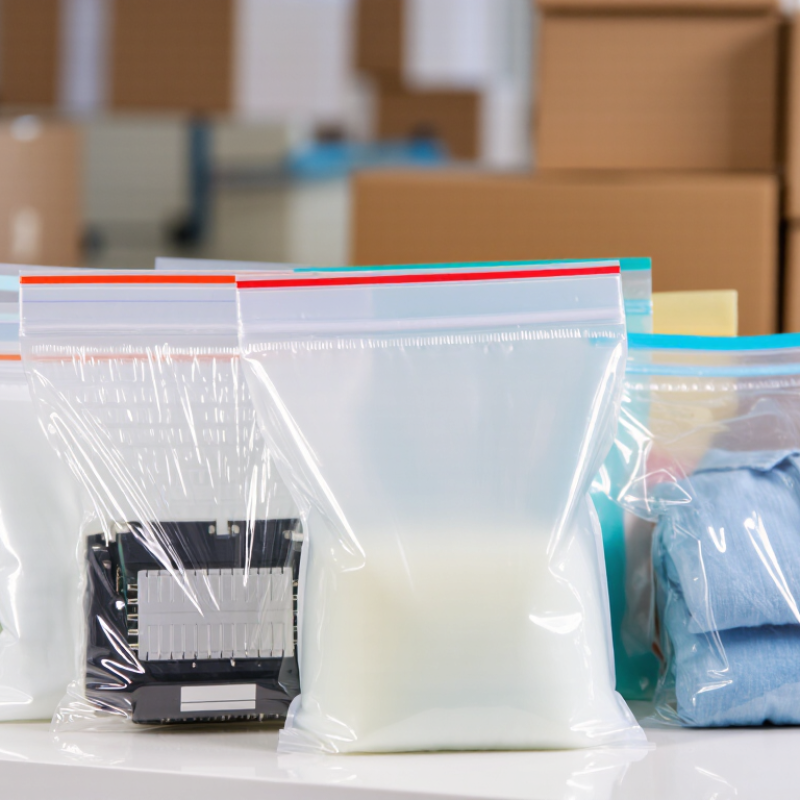
A bag that is too tight may split at the corners. An oversized bag can increase material use and shipping volume. For powders, garments, and small components, gussets can improve capacity without excessive width. Clear bags support quick inspection, while tinted or opaque films protect light-sensitive contents. Handle holes help retail carrying. Hang holes suit display packaging. Small vent holes may reduce trapped air, but they can weaken moisture protection.
Closures should match handling conditions. Heat seals provide strong, consistent protection when equipment is available. Press-to-close tracks support repeated access.
Adhesive flaps are practical for manual packing, though dust can reduce bond strength. Tamper-evident options may improve product confidence. Test them after cold storage, stacking, and transport vibration.
Material selection also deserves careful review. Barrier layers can protect against moisture, oxygen, or odor transfer. However, more layers may complicate recycling routes. Claims should reflect verified local requirements.
Test it.
Samples often behave differently from production runs. I have seen a seemingly suitable bag fail when a sharp edge met a weak seal. A reliable specification records film thickness, closure strength, load limits, and inspection criteria.
There is no perfect configuration. Trade-offs should be documented before volume production.
How to Choose Custom Poly Bags for Global Packaging Needs?
Printing quality affects both shelf appeal and practical performance. Request a physical proof before approving large production. Check color consistency, barcode readability, and fine text under normal warehouse lighting. Rub the printed surface with a dry cloth. Ink should not smear easily. Also inspect registration around seals, handles, and gussets. A beautiful sample can still fail during filling.
Sustainability requires more than choosing a thinner bag. Compare material weight, recycled content, durability, and realistic end-of-life options. A mono-material structure may simplify recycling, but local collection systems still matter. Ask for recycled-content evidence and test data. Reduced thickness can lower material use, yet weak bags may create more waste through breakage. I have seen teams praise lightweight designs too quickly. The balance deserves another review.
Compliance should be checked for every destination market. Confirm requirements for food contact, chemical restrictions, labeling, recyclability claims, and packaging documentation. Ask for supplier declarations, migration reports where relevant, and batch-level traceability. A certificate alone is not enough. Match the resin, ink, adhesive, and final bag construction to the intended use. Keep technical files current, because regulations and customer requirements can change. Small details matter. Before production, compare the approved sample with the signed specification, including dimensions, thickness, print coverage, and sealing strength.
| Bag Structure / Material | Typical Applications | Printing Capability | Key Functional Properties | Sustainability Considerations | Common Compliance Checks | Global Selection Notes |
|---|---|---|---|---|---|---|
| Clear LDPE Low-density polyethylene |
Garment packaging, produce bags, protective overwrap, lightweight retail packaging | Flexographic printing is widely used; suitable for simple to moderate graphics and spot colors | Soft, flexible, transparent, good moisture resistance, strong heat-seal performance | Widely recyclable where film collection and processing systems accept PE films; lightweight design can reduce material use | Food-contact requirements where applicable, ink and adhesive restrictions, recycling-label rules, packaging-waste obligations | A practical choice when flexibility, clarity, and low-temperature sealing are priorities |
| HDPE High-density polyethylene |
Retail carrier bags, liners, refuse bags, packaging for dry goods | Flexographic printing provides efficient coverage for bold graphics, text, and handling instructions | Higher stiffness than LDPE, good tensile strength, excellent moisture resistance, often translucent or opaque | Recyclability depends on local collection infrastructure and bag design; downgauging should be validated with load testing | Applicable plastic-bag taxes or restrictions, product-safety requirements, recycling claims, printing-ink compliance | Suitable where stiffness, puncture resistance, and economical high-volume production are required |
| LLDPE Linear low-density polyethylene |
Heavy-duty liners, frozen-food packaging, industrial parts bags, stretch and protective applications | Flexographic printing is common; surface treatment may be needed for consistent ink adhesion | High toughness, tear resistance, puncture resistance, and reliable sealing over a broad temperature range | Can support lightweighting because of its strength; recycling depends on PE-film collection and compatible construction | Food-contact migration testing when relevant, chemical-resistance review, packaging-waste and labeling rules | Choose for demanding mechanical performance rather than maximum rigidity or premium transparency |
| Mono-material PE PE film designed for PE recycling streams |
E-commerce mailers, refill pouches, personal-care packaging, dry-food and household products | Rotogravure or flexographic printing; high-quality graphics are possible when ink adhesion and surface treatment are controlled | Can combine barrier layers, sealant layers, zippers, spouts, and tear features while maintaining a PE-based structure | Designed to improve compatibility with PE recycling; actual recyclability must be verified against the destination market and local facilities | Recyclability design guidance, food-contact rules, chemical restrictions, labeling requirements, and substantiation of environmental claims | A strong option for global programs seeking a balance between print quality, performance, and recycling compatibility |
| PE with Recycled Content Post-consumer or post-industrial recycled PE |
Non-food secondary packaging, mailing bags, garment bags, and applications with controlled appearance requirements | Flexographic or rotogravure printing; recycled content may affect film color, opacity, and print consistency | Performance varies with recycled-content percentage, feedstock quality, thickness, and formulation | May reduce reliance on virgin resin; recycled-content percentage should be documented and supported by a traceability system | Recycled-content verification, chain-of-custody documentation, product-safety suitability, environmental-claim substantiation | Confirm whether recycled content is permitted for the product category, especially for direct food contact |
| PE/EVOH Barrier Film Polyethylene with an ethylene-vinyl alcohol barrier layer |
Meat, cheese, pet food, medical products, and goods requiring improved oxygen protection | High-resolution flexographic or rotogravure printing; registration control is important for multilayer structures | Improved oxygen and aroma barrier when properly protected by PE layers; performance can be affected by humidity | Barrier layers can complicate recycling; confirm whether the structure meets the design criteria of the intended recycling stream | Food-contact migration testing, shelf-life validation, applicable barrier-packaging guidance, recycling-claim review | Select only when the required shelf life justifies the additional structure and testing |
| Compostable Film Certified compostable polymer structure |
Selected organic-waste liners, food-service applications, and products supported by industrial composting programs | Flexographic printing is common; inks, coatings, and adhesives must be compatible with the certification scope | Good printability and sealability are available, but moisture, heat, shelf life, and puncture performance vary by formulation | Not automatically suitable for home composting; industrial-compostability claims require recognized certification and appropriate collection systems | Applicable compostability standards, certification documentation, disposal-label rules, food-contact requirements, and misleading-claim controls | Use only where composting infrastructure and clear end-of-life instructions exist in the target market |
| Recycled-Content Mailer Bag Opaque or translucent PE mailer with security closure |
E-commerce shipments, apparel, documents, subscription products, and returnable delivery programs | Flexographic printing supports brand-neutral handling information, barcodes, warnings, and multi-language instructions | Lightweight, water-resistant, tamper-evident closure options, and strong puncture resistance when properly specified | Can reduce virgin plastic use; avoid unnecessary laminations and specify recyclability guidance for the destination market | Recycled-content evidence, packaging-waste labeling, adhesive and ink review, transport-performance testing | Specify seal strength, drop resistance, return-cycle expectations, and required language versions before production |
Choosing custom poly bags for global packaging starts with supplier evidence, not attractive samples. Ask for resin specifications, production tolerances, factory capacity, and recent test reports. A reliable supplier should explain film thickness, seal strength, puncture resistance, and recycled-content limits clearly. Request a pilot batch before approving thousands of bags. Small trials reveal curling edges, weak seals, or printed colors that shift under heat. I have seen a bag pass a visual check yet fail after warehouse stacking. That mistake was expensive.
Cost comparisons must include more than the unit price. Add cylinder or plate charges, tooling, sampling, inspection, inland transport, freight, insurance, duties, and storage. Ask suppliers to quote the same quantity, dimensions, film structure, print coverage, and delivery terms. Otherwise, the cheapest offer may only look cheap. A landed-cost worksheet helps, although forecasts can still miss port congestion or currency changes. Build a modest contingency. Do not hide that assumption.
Testing should match the real journey. Check seal integrity, drop resistance, tensile strength, thickness uniformity, odor, and print adhesion. For food-contact or sensitive applications, use appropriate migration and material compliance testing through qualified laboratories. Confirm carton dimensions, pallet patterns, moisture protection, and shipping documents before dispatch. Global shipments need clear production milestones and backup routing. Ocean freight may reduce cost, but it demands earlier planning. Air freight is faster and often punishes weak margins. Keep approved samples and inspection photos with each purchase order. This record supports accountability when results differ.
Comparing film thickness helps estimate material use, shipment weight, and testing requirements before selecting a custom poly bag specification.
Estimated film mass is calculated from thickness × polyethylene density, using 0.92 g/cm³ as a representative value. Actual results vary by resin type, additives, tolerances, bag dimensions, printing, and sealing design. Confirm finished-bag performance with tensile, tear, seal-strength, drop, and transit testing before global shipment.
Interested in working with our team? Reach out to our team for a no-strings-attached consultation.
1 (833) PPC-FLEX
1111 Busch Pkwy
Buffalo Grove, IL 60089, USA