1111 Busch Pkwy, Buffalo Grove, IL 60089, USA

1 (833) PPC-FLEX

How to Choose the Best Stand Up Pouches for Your Packaging Needs?

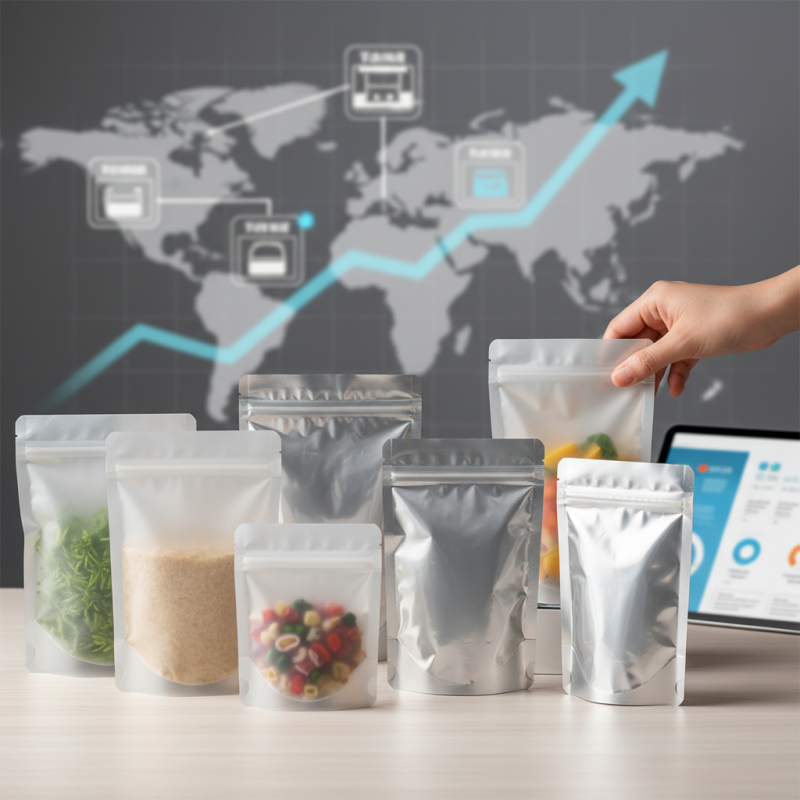
When considering packaging solutions, stand up pouches have gained significant popularity in various industries. According to recent market analyses, the global stand-up pouch market is projected to reach USD 45 billion by 2027, growing at a CAGR of 5.2%. This trend reflects a shift towards flexible packaging due to its lightweight, space-saving benefits and enhanced shelf appeal.

Choosing the right stand-up pouches can greatly impact product visibility and consumer engagement. For example, brands looking to enhance their sustainability can opt for biodegradable options. Additionally, the advent of AI technology in trade shows, like the upcoming Canton Fair, showcases how innovation is reshaping packaging choices. Attendees can efficiently find suppliers with specific certifications, streamlining the decision-making process for sustainable options.

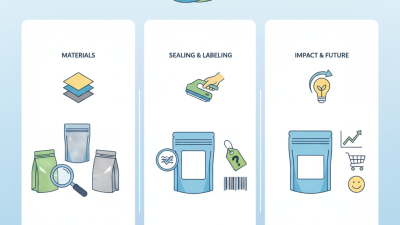
Despite the advantages, a careful evaluation of factors such as material, size, and sealing methods is essential. Brands must reflect on the durability and functionality of their chosen pouches. Over-reliance on trends without thorough research may lead to misalignment with customer expectations. Thus, thoughtful consideration of stand up pouches is crucial for effective packaging strategies.
How to Choose the Best Stand Up Pouches for Your Packaging Needs?

Understanding Stand Up Pouches and Their Benefits

How to Choose the Best Stand Up Pouches for Your Packaging Needs?

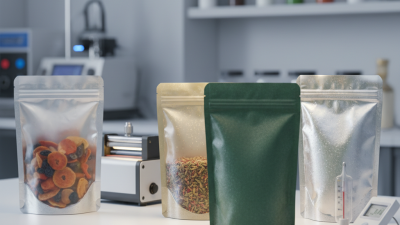
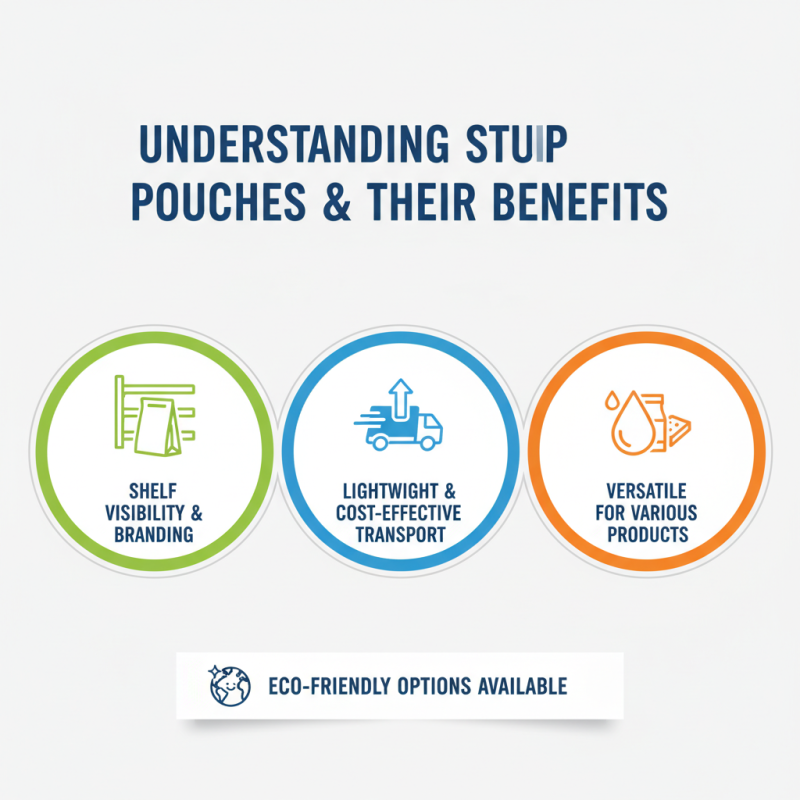
Stand up pouches are a versatile packaging solution. They offer many benefits for various products. These pouches are designed to stand upright on shelves, providing visibility. Additionally, they are lightweight and easy to transport, which helps reduce shipping costs.

One of the most appealing features of stand up pouches is their resealability. Customers appreciate being able to keep products fresh. This feature is especially important for food items or snacks. On the other hand, if the seal is ineffective, it can lead to spoilage. Choosing the right zipper or closure needs careful thought.

The material of the pouch is another critical aspect to consider. Some pouches allow for intricate designs and vibrant colors, making products more attractive. Yet, not all materials provide the same barrier against air and moisture. This can cause products to lose freshness. Take time to assess the material that best suits your product needs. The right choice can enhance both aesthetics and functionality.

Key Factors to Consider When Choosing Stand Up Pouches

When selecting stand up pouches, several key factors come into play. Material choice is crucial. A sturdy material ensures your product remains protected while enhancing shelf life. For instance, consider options like laminated films that offer excellent moisture and barrier properties. This small detail can make a big difference in product freshness.

The size and capacity of the pouch also matter significantly. Think about your product volume. A pouch that's too large might waste space, while one that's too small can lead to spillage. Finding the right fit is essential. Lastly, don't forget about the design and printing options. A catchy graphic can catch consumers' eyes but ensure it aligns with your branding.

One potential pitfall is overlooking the zipper feature. It's often seen as an afterthought. However, an easy-to-use zipper can enhance the customer experience. This small feature can sometimes be the deciding factor for repeat purchases. The details matter, and the wrong choices can lead to unsatisfactory results.

Different Materials Used in Stand Up Pouches

Stand up pouches have gained popularity for their versatility in packaging. They come in various materials, each with distinct benefits. Common options include plastic laminates, foils, and biodegradable films. According to a recent market report, the global stand up pouch market is expected to grow by over 5.5% annually, driven by these innovations.

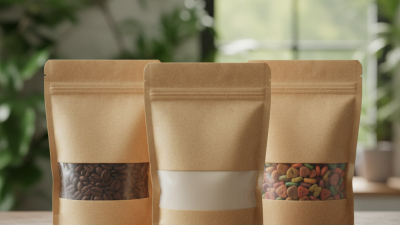
Plastic laminates offer durability and moisture resistance. They are lightweight and can be printed on easily. However, their environmental impact raises concerns. Some consumers prefer biodegradable options. These films can decompose more naturally, but they often have limitations in barrier properties. Brands must weigh these factors carefully.

Foil pouches provide exceptional protection against light and oxygen. This makes them ideal for sensitive products. Yet, foil can be less eco-friendly. As brands focus on sustainability, the choice of material becomes complex. A balance between functionality and environmental responsibility is crucial in today's market.

Customizing Stand Up Pouches for Your Brand

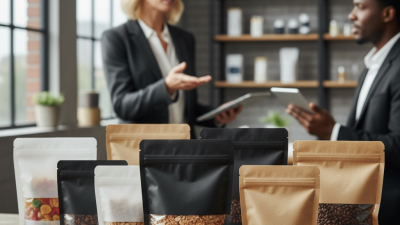
Customizing stand up pouches is an effective way to enhance your brand identity. These pouches can be tailored to reflect your brand colors, logos, and artwork. Choosing the right size and design is crucial. A well-designed pouch will not only attract customers but also convey important information. Think about how the shape affects visibility on shelves.

Material selection is another key factor. Various materials offer different protective qualities. Some are better for moisture, while others provide barrier protection. It’s essential to balance aesthetics with functionality. Consider how the material aligns with your brand values. Using eco-friendly options might appeal to a specific audience.

Don't underestimate the importance of features. Zippers and tear notches can improve user experience. However, adding too many features might complicate the design. Simplicity often works best. The customization process is a chance to reflect on your brand. What message do you want to send? There may be areas to improve upon. Seeking feedback from customers can guide your choices.

Sustainability and Environmental Impact of Stand Up Pouches

Choosing the right stand up pouch involves considering their environmental impact. These pouches can be made from various materials, each with different sustainability profiles. Many are crafted from laminated plastics. This can be an issue, as such materials are often not recyclable.

However, some manufacturers offer biodegradable options. These pouches break down over time, reducing landfill waste. The key is to investigate the materials used. Certification labels can help identify eco-friendly choices. Consumers increasingly favor sustainable packaging. This demand can drive change in production methods.

It's also essential to consider the lifecycle of the packaging. From production to disposal, each phase influences the environment. Reflecting on whether the benefits outweigh the drawbacks is vital. For businesses, this adds complexity but also opens dialogue about sustainability. Balancing functionality and environmental responsibility is no small task.

How to Choose the Best Stand Up Pouches for Your Packaging Needs? - Sustainability and Environmental Impact of Stand Up Pouches

Dimension Material Eco-Friendly Options Recyclability Barrier Properties
5"x8" Kraft Paper Yes Yes Good
6"x10" Biodegradable Film Yes Yes Excellent
8"x12" LLDPE Plastic No No Good
10"x15" PET/AL/PE Yes Partial Excellent