What is the Best Type of Packaging Bags for Your Business Needs
In the fast-paced world of commerce, selecting the right type of packaging bags for your business needs is paramount. According to industry expert Michael Thompson, a renowned packaging consultant, “The right packaging bags not only protect your product but also enhance your brand's identity.” This statement underscores the critical role that packaging bags play in both product safety and brand representation.
In today’s market, businesses are inundated with a variety of packaging options, each designed to cater to specific requirements. From eco-friendly materials to custom designs, the choices can be overwhelming. As you navigate through these options, it’s crucial to consider factors such as the nature of your product, target audience, and sustainability goals. The ideal packaging bags can significantly impact customer satisfaction and loyalty, making it essential to align your packaging strategy with your overall business objectives. By understanding the unique characteristics and advantages of different packaging bags, you can make an informed decision that propels your business forward.
Types of Packaging Bags Available for Businesses
Packaging bags play a crucial role in the logistics and marketing strategies of various businesses. Understanding the types of packaging bags available can help companies select the right solutions for their specific needs. The most common types include polyethylene bags, paper bags, biodegradable bags, and vacuum bags. According to a report by Mordor Intelligence, the global packaging market for bags is expected to grow at a CAGR of 4.5% from 2021 to 2026, reflecting the increasing demand for versatile and sustainable packaging options.
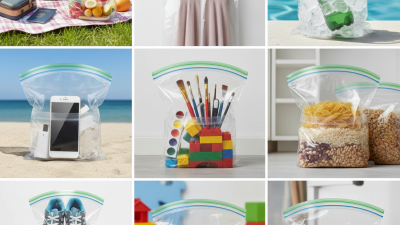
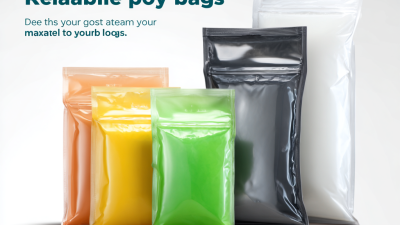
Polyethylene bags are widely used due to their durability and cost-effectiveness. They come in various forms, including flat bags, gusseted bags, and ziplock bags, catering to diverse business requirements.
Paper bags, often favored for their recyclability, are gaining traction particularly in the retail and foodservice industries. In contrast, biodegradable bags are being increasingly adopted in response to consumer demand for environmentally friendly products. According to a recent study from Grand View Research, the biodegradable segment is projected to witness a considerable growth rate, reflecting a shift towards sustainable practices in packaging.
Additionally, vacuum bags are essential for preserving food and extending shelf life, making them popular in the food industry. They protect products from moisture and air, which is vital for maintaining quality.
As businesses strive to enhance their branding and reduce waste, understanding these various types of packaging bags is imperative for making informed choices that align with market trends and consumer preferences.
Factors to Consider When Choosing Packaging Bags
When selecting packaging bags for your business, several key factors must be considered to ensure that your choice aligns with your operational needs and customer expectations. One critical factor is the type of materials used in the packaging.
According to a recent report by Smithers Pira, the global demand for flexible packaging, including bags, is projected to reach approximately $320 billion by 2025, driven by increased consumer awareness about sustainability.
Businesses should evaluate whether biodegradable, recyclable, or multi-layered options best suit their products and brand values.
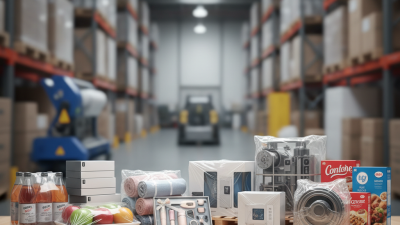
Additionally, it is essential to assess the weight and strength of the packaging materials. The right thickness and material can protect products during transit, reducing damage-related costs.
Industry studies suggest that nearly 30% of products sustain damage during shipping due to inadequate packaging.
Therefore, businesses should conduct a rigorous analysis of their product's requirements and the logistics involved to select bags that can withstand varying conditions.
Other important factors include size, sealing technology, and design capabilities that resonate with your target audience, ensuring that your packaging not only serves its primary function but also enhances brand appeal.
Material Options for Packaging Bags and Their Benefits
When selecting packaging bags, the choice of material is crucial to meeting your business needs. Different materials offer various benefits that can enhance product protection, presentation, and sustainability. Common options include plastic, paper, and biodegradable materials. Plastic bags, for instance, are known for their durability and moisture resistance, making them an ideal choice for perishable items or products that require a longer shelf life. They can also be printed with vibrant designs to improve branding and attract customers.
On the other hand, paper bags provide an eco-friendly alternative, appealing to the growing number of consumers who prioritize sustainability. They come in various weights and styles, allowing businesses to choose a format that best suits their products. Additionally, paper can be easily recycled, which further emphasizes a brand's commitment to environmental responsibility. Biodegradable materials, such as plant-based plastics, bridge the gap between traditional plastic and recyclable options, offering a durable solution while minimizing environmental impact. By understanding the benefits of these materials, businesses can make informed decisions that align with their brand values and customer preferences.
Packaging Bag Material Options and Their Benefits
Environmental Impact of Different Packaging Solutions
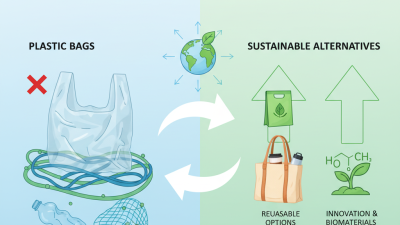
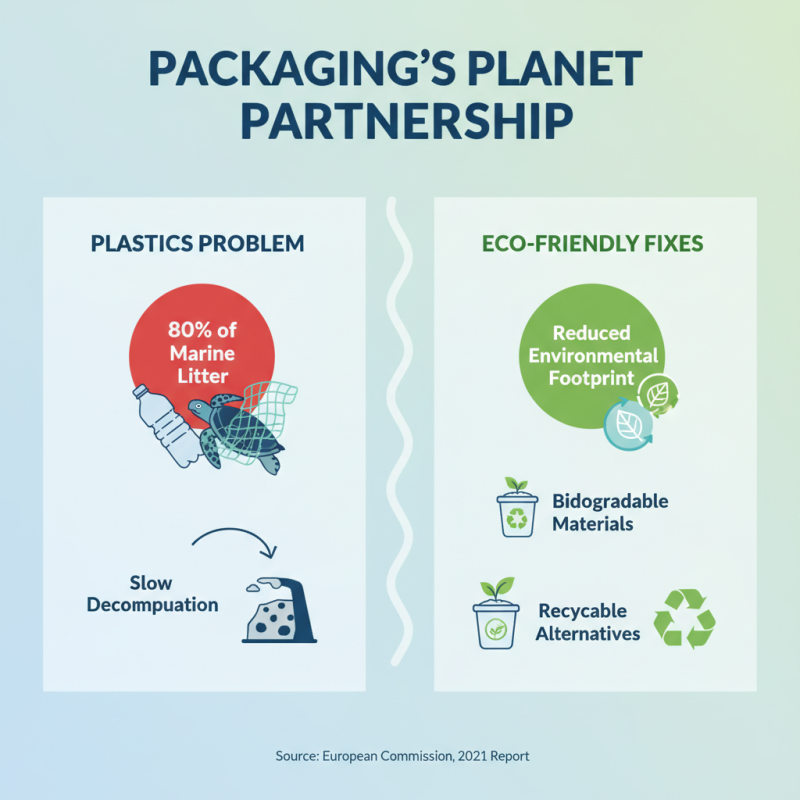
When considering the environmental impact of different packaging solutions, it is essential to recognize that not all materials are created equal. According to a 2021 report by the European Commission, plastic waste accounts for 80% of marine litter, significantly affecting ecosystems and wildlife. On the other hand, alternatives such as biodegradable bags and recyclable materials can greatly reduce this environmental footprint. Biodegradable materials can break down more quickly in landfills, minimizing the long-term impact on the planet.
To choose the best packaging for your business, consider the life cycle of the materials you use. Opt for packaging with logos certifying their compostability or recyclability. A 2020 study published by the Journal of Cleaner Production showed that consumers are willing to pay up to 10% more for products with eco-friendly packaging, reflecting a significant market trend towards sustainability.
Tips: Prioritize sourcing packaging from suppliers who are committed to environmental stewardship. Implement a take-back program, encouraging customers to return packaging for reuse or recycling. This not only reduces waste but enhances customer loyalty through engagement in sustainability efforts.
Cost vs. Quality: Finding the Right Balance in Packaging Bags
When selecting packaging bags for your business, balancing cost and quality is crucial to meet both your budgetary constraints and customer expectations. High-quality packaging not only protects your products but also serves as a reflection of your brand's values. Durable materials can prevent damage during transit, which minimizes returns and enhances customer satisfaction. However, investing in top-tier packaging bags can be expensive, leading businesses to weigh the benefits against their financial limitations.
To find the right balance, it's essential to analyze your specific needs. Consider the types of products you’re packaging, the shipping methods you’re using, and the preferences of your target audience. If your products require more protection, opting for slightly more expensive, high-quality bags may ultimately save you money by reducing losses from damaged goods. Conversely, for items that are less vulnerable during shipping, cost-effective options may suffice. By carefully evaluating these factors, businesses can select packaging solutions that optimize performance while remaining mindful of their budget.
What is the Best Type of Packaging Bags for Your Business Needs - Cost vs. Quality: Finding the Right Balance in Packaging Bags
| Packaging Bag Type |
Material |
Cost per Unit ($) |
Durability (Months) |
Best Use Case |
| Plastic Bags |
LDPE |
0.10 |
6 |
Retail Shopping |
| Kraft Paper Bags |
Recycled Paper |
0.15 |
12 |
Food & Gifts |
| Biodegradable Bags |
PLA |
0.20 |
9 |
Eco-Friendly Products |
| Reclosable Bags |
LDPE |
0.12 |
12 |
Food Storage |
| Pouches |
PET/AL/PE |
0.25 |
18 |
Snacks & Sauces |