2026 Best Poly Bags for Global Procurement Needs?
In the fast-evolving world of procurement, choosing the right materials is crucial. Poly bags have emerged as a popular option for various global needs. They offer flexibility, durability, and cost-effectiveness, making them ideal for businesses across industries.
As we approach 2026, the landscape of poly bags is transforming. New innovations and sustainable practices are changing how companies view these essential items. Many businesses rely on poly bags for packaging, shipping, and storage.
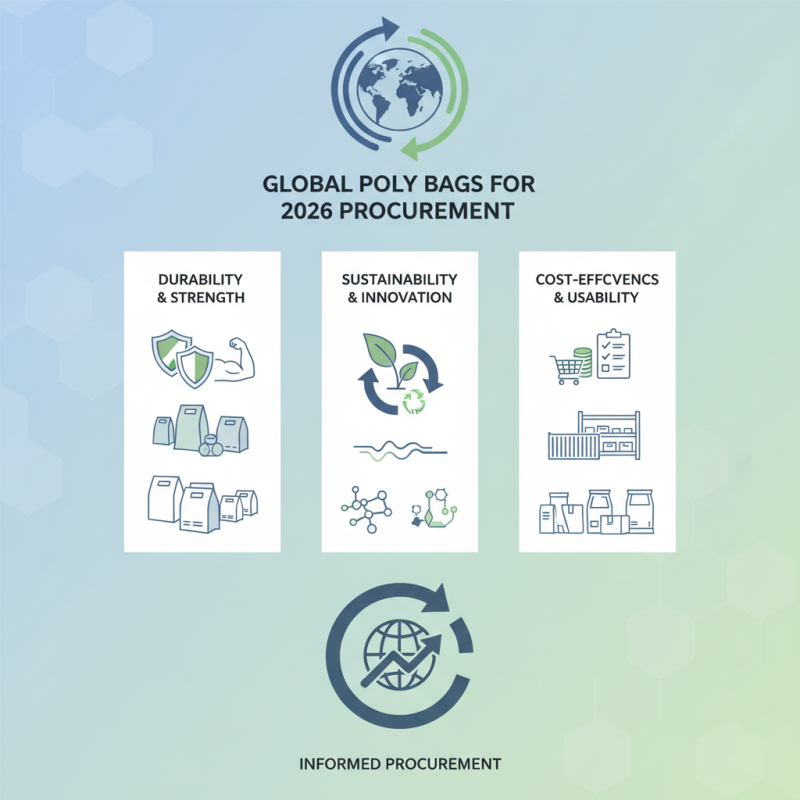
However, not all poly bags are created equal. Sourcing the most suitable products requires careful consideration and expertise. It's essential to look for poly bags that meet specific criteria, including strength, environmental impact, and usability. Understanding these factors can help businesses make informed decisions and address procurement challenges effectively.
Overview of Poly Bags in Global Procurement
Poly bags have become a crucial element in global procurement. These lightweight and flexible packaging materials serve various industries, from food to electronics. According to a recent report from
Smithers Pira, the global demand for flexible packaging, including poly bags, is projected to reach
320 billion USD by 2026, reflecting a compound annual growth rate (CAGR) of
4.2%. This growth illustrates the need for businesses to adapt their procurement strategies to meet market demands.
When sourcing poly bags, consider the material options available. Low-density polyethylene (LDPE) and high-density polyethylene (HDPE) are commonly used due to their durability and versatility. However, sustainability is an ongoing challenge. Many organizations face pressure to reduce plastic waste. Exploring biodegradable alternatives can be a beneficial strategy, even though they may have limitations in durability.
Tip: Evaluate the environmental impact of your poly bag choice. Implement reusable or recyclable materials when feasible. This not only addresses sustainability but may also enhance your brand's reputation.
Monitoring your suppliers ensures compliance with industry standards. Not all poly bags are created equal, and quality can vary significantly. Don't hesitate to request samples and conduct quality tests.
Tip: Build strong relationships with suppliers. This can foster transparency and improve quality assurance. Regular communication helps in addressing potential issues before they escalate, leading to a more effective procurement process.
Factors Influencing the Selection of Poly Bags
Choosing the right poly bags for global procurement is not straightforward. Several factors come into play when making this critical decision. Material type, bag thickness, and sealing method are paramount. For example, high-density polyethylene (HDPE) offers strength, while low-density polyethylene (LDPE) provides flexibility. The choice depends on the specific requirements of the goods being packed.
Environmental impacts also factor heavily in poly bag selection. More companies prioritize sustainability in their packaging choices. Biodegradable options exist but may carry higher costs. This requires careful financial assessment. Moreover, one must consider the bag’s suitability for transportation and storage. Weight and space efficiency can influence shipping costs directly, affecting the bottom line.
Regulatory compliance shouldn't be overlooked. Different regions have varying rules about materials used in packaging. Staying informed about these regulations is crucial for avoiding costly errors. The right choice of poly bag must balance durability, cost, and environmental responsibility. Assessing all these elements is essential to ensure a successful procurement strategy.
2026 Best Poly Bags for Global Procurement Needs
This chart illustrates the factors that influence the selection of poly bags in global procurement, including Cost, Material Quality, Environmental Impact, and Supplier Reliability.
Top Poly Bag Materials and Their Applications
When selecting poly bags for global procurement, understanding the materials and their uses is crucial. Polyethylene and polypropylene are two widely used materials. They provide different levels of durability and flexibility. Polyethylene is ideal for lightweight items, while polypropylene offers more strength.
Tips: Consider the weight capacity of the bags you choose. This will help prevent tears and ensure product safety.
Another material gaining popularity is biodegradable plastic. It meets sustainability goals and offers an eco-friendly alternative. However, it's essential to recognize that such materials may have varying durability. Research is needed to determine their suitability for specific applications.
Tips: Testing the bags in real scenarios can help you gauge their performance. Quality sometimes demands a trade-off with cost.
2026 Best Poly Bags for Global Procurement Needs
| Material Type |
Thickness (mil) |
Width (inches) |
Length (inches) |
Common Applications |
| LDPE (Low-Density Polyethylene) |
1-6 |
4-24 |
6-36 |
Food packaging, grocery bags, protective packaging |
| HDPE (High-Density Polyethylene) |
2-8 |
8-40 |
10-50 |
Retail bags, industrial bags, waste bags |
| LLDPE (Linear Low-Density Polyethylene) |
3-10 |
6-30 |
12-48 |
Stretch film, heavy-duty bags, packaging materials |
| BOPP (Biaxially Oriented Polypropylene) |
1-4 |
4-30 |
6-32 |
Retail display bags, food packaging, labels |
| PVC (Polyvinyl Chloride) |
3-10 |
12-36 |
12-48 |
Medical applications, stationery supplies, garment bags |
Key Suppliers and Manufacturers in the Poly Bag Market
In the evolving landscape of global procurement, poly bags have become essential. Their versatility allows various industries to utilize them effectively. As you navigate the poly bag market, understanding key suppliers and manufacturers can significantly impact your business operations. Many players in this market specialize in sustainability aspects. They offer eco-friendly options to fulfill growing demand.
Choosing a supplier requires careful consideration. Look for manufacturers that prioritize quality and reliability. Ensure they adhere to industry standards. Checking reviews and testimonials can provide valuable insights into their credibility. Be wary of overly cheap options; they often compromise on material integrity.
When procuring poly bags, ask for sample products. This allows you to assess the quality firsthand. Evaluate the bag's strength and durability. Additionally, factor in customization services. Many suppliers can tailor bags to fit specific needs. This flexibility boosts functionality within your supply chain.
Future Trends in Poly Bag Procurement Practices
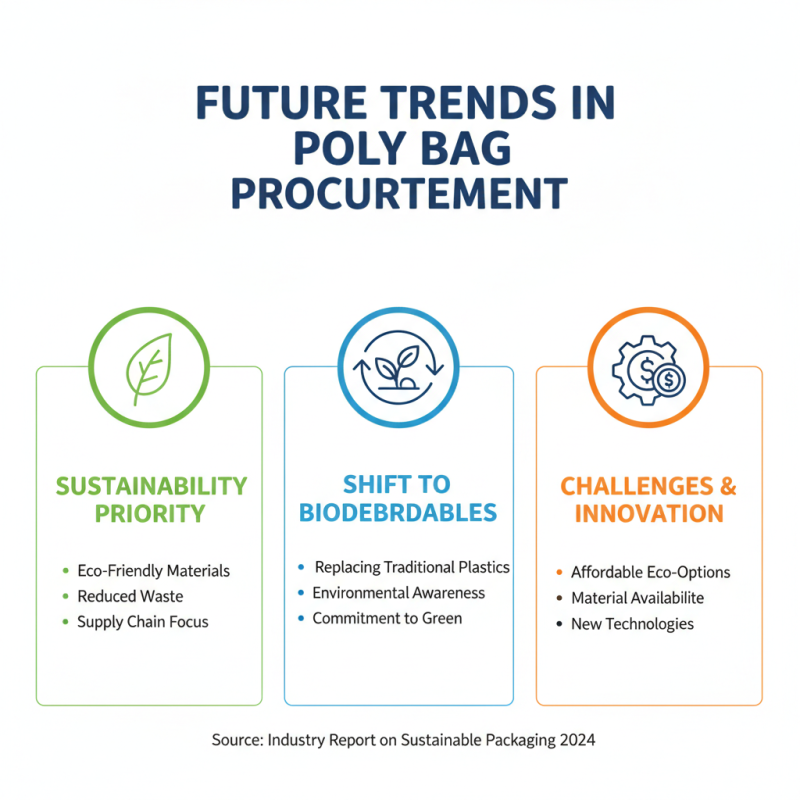
The landscape of poly bag procurement is evolving rapidly. Companies are increasingly prioritizing sustainability in their supply chains. This trend reflects a broader awareness of environmental issues. Many organizations now seek biodegradable options instead of traditional plastics. This shift signals a commitment to reducing waste. However, the availability of affordable eco-friendly materials remains a challenge.
As businesses navigate these changes, collaboration becomes essential. Engaging with suppliers who prioritize innovation can foster sustainable practices. Companies must invest in education about eco-friendly products. This helps build a more informed procurement strategy. However, misinformation about biodegradable materials often leads to confusion. Not all green products perform the same way. It's crucial to research and verify claims before making purchasing decisions.
While technology enhances procurement efficiency, it also poses risks. Automated systems can streamline processes but may overlook critical factors. For example, human judgment is needed to assess material quality. Additionally, relying solely on data can create blind spots. Companies should regularly review their policies to adapt to emerging trends. This reflection is vital for effective procurement in the future.