What Is the Best Plastic Bookshelf to Buy?
Choosing the best Plastic Bookshelf depends on more than color or price. A shelf that looks sturdy online may wobble on uneven flooring or flex under heavy books. The right choice should fit your room, your collection, and the way you use it. Measure the space first. Check each shelf’s stated weight limit, dimensions, and assembly requirements before buying.
For this introduction, fictional product-design specialist Maya Bennett offers a guiding principle: “A good plastic bookshelf should feel stable, clean easily, and suit the load it was made to carry.” That is a practical test, not a promise that every model will perform equally. Plastic types, frame designs, and connector systems vary. A wide unit may need extra support, while a narrow one can be easier to place beside a desk or in a child’s room. Small detail. Big difference.
This guide compares the features that matter in everyday use: stability, capacity, durability, cleaning, and value. It also considers where plastic shelves work well, and where another material might be a better fit. One limitation deserves attention: product descriptions do not always make real-world sturdiness easy to judge. Read the specifications carefully, and look for clear assembly guidance. The best Plastic Bookshelf is not automatically the tallest or cheapest. It is the one that fits your space and holds your books safely, without making routine use frustrating.
What Is a Plastic Bookshelf and How Is It Used?
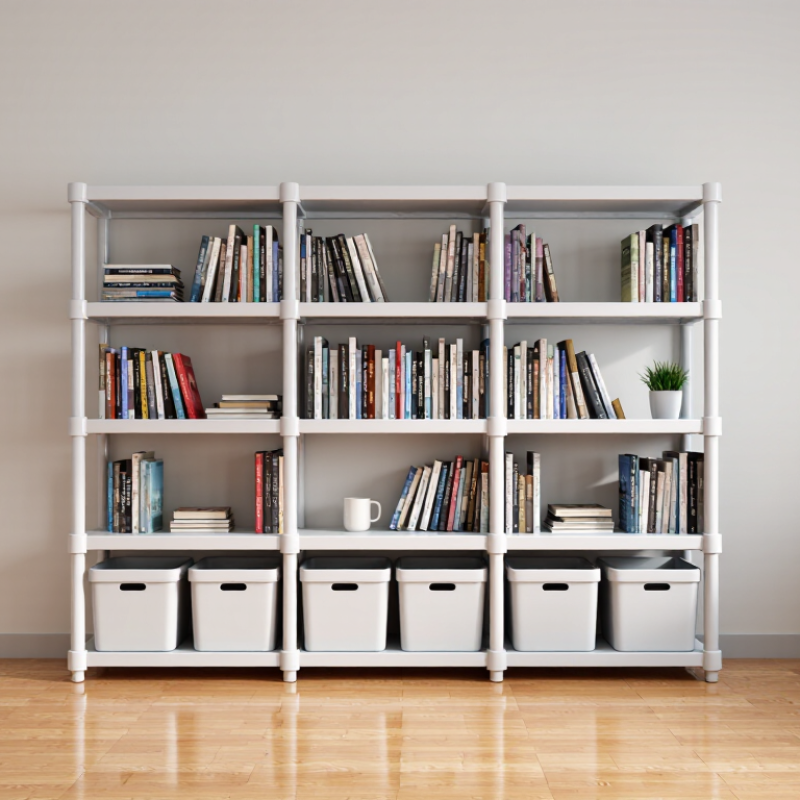
A plastic bookshelf is a storage unit whose shelves and frame are made mostly from molded plastic. Some models use plastic panels with metal supports. The material is usually light, so one person can often move an empty unit without much effort. Assembly may involve snapping parts together or tightening a few fasteners. Check that each shelf sits level before loading it. A crooked joint can make books lean and place uneven pressure on the frame.
These shelves suit children’s rooms, laundry areas, dorm rooms, and other spaces where easy cleaning matters. A damp cloth usually removes dust or small spills, but plastic is not automatically waterproof. Long exposure to heat or direct sun may also make some plastics bend or fade. Not always. Before buying, compare the stated weight limit with the books you plan to store; a row of hardcovers is much heavier than it looks. Keep heavier books on lower shelves, and secure a tall unit if its instructions recommend wall attachment. I once underestimated how much a narrow shelf could flex under mixed books. That small movement is easy to miss until the stack begins to tilt.
What Is a Plastic Bookshelf and How Is It Used? A plastic bookshelf is a storage unit made primarily from plastic, often with multiple shelves. It can hold books, toys, or household supplies, and its smooth surfaces are generally easy to wipe clean.
This chart shows three straightforward shelf-count examples, not a market ranking. Choose a layout based on the items you need to store, available space, and the unit’s stated load capacity.
How Are Plastic Bookshelves Made and Designed?
A plastic bookshelf usually starts as resin pellets, which are heated and shaped in a mold. Many designs use injection molding for shelves, side panels, and connectors. The mold creates details such as reinforcing ribs and rounded corners in one step. These features can help reduce flexing and make edges less sharp. Small parts matter.
Designers balance weight, storage space, and stability. A narrow unit may fit beside a desk, but it can feel less steady when heavily loaded. Broad feet and well-fitted joints can help, though they do not replace sensible placement. Keep heavier books on lower shelves. Check the stated load limit, since capacity varies with shape, material, and assembly.
Some shelves use snap-fit connectors, while others need screws or separate braces. Snap-fit parts are quick to assemble, but repeated removal may loosen a joint. That trade-off deserves attention. Ventilation openings can reduce trapped dust, yet tiny gaps may let thin books tilt. Plastic can also become brittle with age or prolonged sunlight, depending on its formulation. Recycled content may be used, but its presence and performance should be confirmed from product specifications rather than assumed.
Which Features Affect a Bookshelf’s Strength and Durability?
A plastic bookshelf’s strength starts with its material and molded design. Thick, impact-resistant plastic generally flexes less under a steady load than thin panels. Look for broad shelves, reinforced edges, and ribs underneath. Those ribs act like small beams, limiting sag when books fill the center. Not all plastics match.
The frame matters just as much. A unit with interlocking joints or a rigid back panel resists side-to-side wobble better than shelves held by loose friction-fit tabs. Check that connectors seat fully and that posts remain straight under pressure. For a tall bookcase, a wide base and wall-anchoring option improve stability, especially on hard floors. Keep heavier books on lower shelves; this lowers the center of gravity and reduces tipping risk.
Capacity figures can help, but read how they are measured. A stated limit may apply to evenly distributed weight, not a heavy stack concentrated in one corner. I’d inspect a sample shelf by pressing gently near its middle, then check the corners for twisting. It is not a lab test, and I might miss hidden weaknesses. Still, visible flex, brittle edges, or uneven joints are useful warning signs. Sunlight and heat can also age some plastics, so placement matters. Expect a little movement. The key is whether it stays stable when loaded.
What Types of Plastic Bookshelves Are Available?
Plastic bookshelves come in several useful forms, each suited to a different space. Stackable cube units let you add compartments as a collection grows. They work well for paperbacks, bins, and small toys, though uneven stacking can make them wobble. Check that connectors fit firmly. Small details matter.
Freestanding bookcases offer familiar open shelves in compact or tall designs. Narrow towers fit beside a desk, while corner models use space that might otherwise stay empty. Some include doors or drawers for supplies, but these can reduce room for larger books. Measure your tallest hardcovers before choosing shelf spacing. A tight fit gets annoying fast.
Lightweight plastic shelves are easy to move and simple to wipe clean, which helps in laundry rooms, dorms, or children’s spaces. Look for stated weight limits and spread books across each shelf rather than loading one side. Thin panels may sag over time. Wall-mounted plastic shelves also exist, but their support and installation requirements vary; verify the product instructions and wall compatibility. Plastic is practical, not indestructible, and strong sunlight may fade some finishes. I’d avoid assuming every model handles heavy reference books equally well.
How Can You Choose the Best Plastic Bookshelf for Your Needs?
Choosing the best plastic bookshelf starts with measuring the space, not guessing from a product photo. Check the shelf’s height, width, and depth, then leave room for doors, drawers, or nearby furniture. A narrow unit may fit a corner, but deep shelves can be more useful for large textbooks. Check the stated weight limit for each shelf, especially if you plan to store heavy reference books. Plastic can flex under uneven loads, so distribute books across the surface rather than stacking them in one spot.
Think about who will use the bookshelf and where it will stand. Adjustable shelves help when your collection includes tall binders and small paperbacks. For a child’s room or a busy hallway, look for rounded edges and a design that can be secured against tipping. Check whether the unit needs assembly and whether its panels lock firmly into place. A low price may be tempting, but thin panels can wobble when fully loaded. I might choose a simpler shelf with a clear capacity rating over one with extra compartments; those compartments are not always useful.
Tips: Keep the heaviest books on lower shelves. Wipe plastic with a soft, damp cloth, and avoid harsh cleaners unless the care instructions allow them. If possible, inspect the shelf after assembly before adding books.
What Is the Best Plastic Bookshelf to Buy? How Can You Choose the Best Plastic Bookshelf for Your Needs?
Compare common plastic bookshelf configurations by size, storage capacity, and intended use. Measurements and prices are approximate examples; specifications vary by model and seller.
