What Are the Best Compostable Stand Up Pouches in China?
Choosing the best compostable stand up pouches in China takes more than comparing prices or looking at a green label. A pouch must protect its contents, seal reliably, and suit the buyer’s composting options. Material layers, zipper construction, printing, and moisture barriers all deserve attention. One detail can change the whole choice.
Bioplastics researcher Dr. Ramani Narayan is often associated with this useful distinction: “Biobased does not mean biodegradable, and biodegradable does not mean biobased.” That matters. A compostable claim should be supported by relevant test reports or certification, with the intended composting conditions clearly stated. Industrial composting and home composting are not interchangeable. Buyers should also ask whether the finished pouch—not just one raw material—has been assessed.
This guide will compare pouch structures, barrier performance, customization, supplier documentation, and practical questions to ask Chinese manufacturers. We will look at how to assess seals, sample quality, and compatibility with a product’s shelf-life needs. A neat sample can hide a weak zipper; that is easy to miss. Price matters, but a low quotation is not proof of suitability. No single pouch is best for every product or disposal system. Some details may remain uncertain until testing. That is worth admitting. The aim is a careful shortlist, based on evidence and real packaging requirements, rather than a confident claim built on appearance alone.
What Compostable Stand-Up Pouches Are and How They Work
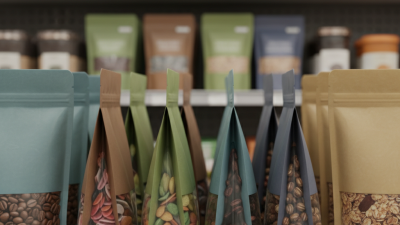
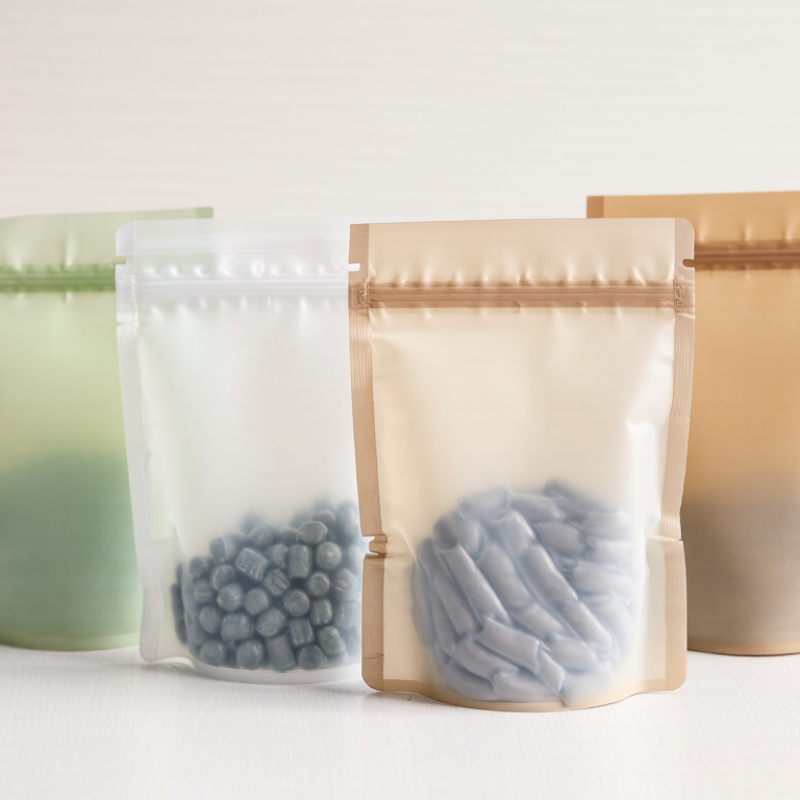
A compostable stand-up pouch is a flexible package designed to hold its shape on a shelf and break down under specified composting conditions. Its panels often use layered films made from materials such as plant-based polymers or compostable coatings. A bottom gusset opens when filled, letting the pouch stand upright. The structure can help protect dry foods from moisture and air, though its barrier performance varies by material and thickness.
The films are joined with heat along the edges, and a zipper or tear notch may make the pouch easier to use. Compostability depends on the complete pouch, including inks, adhesives, and closures—not just one film layer. That distinction matters. Some packages require controlled industrial composting, where heat, moisture, and microorganisms are managed. They may not break down properly in a home compost pile or ordinary waste bin.
For buyers comparing production options in China, request technical data and independent test reports for the finished pouch. Check which composting conditions the claims refer to, and test filled samples for seal strength and shelf-life needs. A pouch may look sturdy yet soften after contact with humid air. There is no perfect material choice; the right balance depends on the product and local composting access. Not in every bin.
Which Materials and Certifications Matter in China
What Are the Best Compostable Stand Up Pouches in China?
In China, material choice matters as much as the word compostable. Many pouches use blends such as PLA and PBAT, sometimes combined with starch-based materials. These can behave differently in industrial composting and home composting. Check the stated disposal conditions carefully. A pouch designed for an industrial facility may not break down in a garden compost pile.
Stand-up pouches also need to protect their contents. A barrier layer, zipper, ink, or adhesive can affect the finished package’s compostability. Ask for test reports covering the complete pouch, not only its base film or resin. Details matter. China’s GB/T 41010-2021 addresses degradation performance and marking requirements for biodegradable plastics and products; GB/T 19277.1 describes a controlled composting test method. Neither standard alone proves that every finished pouch is suitable for every composting system.
Request current reports from a qualified testing laboratory, and check that the tested construction matches the pouch you plan to buy. Certification can help with verification, but confirm its scope, validity, and relevance to the intended market. Local collection and treatment options matter too. A compliant label cannot create composting infrastructure. This part is easy to overlook, and buyers should ask how the packaging will actually be handled after use.
What to Check When Choosing a Chinese Pouch Manufacturer
What Are the Best Compostable Stand Up Pouches in China?
What to Check When Choosing a Chinese Pouch Manufacturer
The best pouch depends on your product, filling process, and disposal options. Before comparing prices, ask what materials form the pouch and whether it suits your product’s moisture, oxygen, and light needs. A dry tea blend and an oily snack may require different barrier performance. Request technical data, not just a sales description.
Check whether compostability claims apply to the complete pouch, including inks, zipper, and valve. Ask which testing standard and composting conditions support the claim. Industrial composting and home composting are not the same. Ask for current test reports and confirm that their scope matches the exact structure you plan to order. Ask for evidence. Claims can be vague.
Request samples and test them on your filling line. Check seal strength, zipper function, pouch stability, and print quality after handling. A pouch that stands neatly on a sample table may wrinkle or leak during production. Looks can mislead. Also ask how the manufacturer controls material batches and handles rejected products. Confirm lead times, minimum order quantities, and packaging for shipment. Clear answers matter. Yet documentation cannot replace a production trial, and a small test run may still miss problems that appear at scale. That uncertainty deserves attention.
What to Check When Choosing a Chinese Compostable Pouch Manufacturer
Verify that the finished pouch—not just its raw materials—meets the compostability standard required in your target market.
ASTM D6400 and EN 13432 use a disintegration limit of 12 weeks (84 days) and a biodegradation period of up to 180 days under specified test conditions. Ask the manufacturer for valid test reports or certification covering the complete pouch structure, including inks, adhesives, and layers. These timelines refer to industrial compostability testing; they do not guarantee acceptance by every composting facility.
How to Match Pouch Features to Your Product and Packaging Needs
Choosing a compostable stand-up pouch starts with the product, not the material label. Coffee, dried fruit, and powdered foods need different protection from moisture, oxygen, and light. A matte pouch may look appealing, but appearance cannot replace barrier testing. Details matter.
For oily or aromatic products, ask for data on the finished pouch’s oxygen and moisture transmission, not just the film. If customers need repeated access, compare zipper strength and seal placement; zippers can complicate compostability, so check that the complete structure is covered by relevant certification. Not every pouch fits. Confirm whether disposal requires industrial composting, since “compostable” does not automatically mean home compostable.
Match the format to filling and shipping conditions, too. A wider base can improve shelf stability, while a tear notch may help customers open the pouch without scissors. Request samples from Chinese suppliers and test them on your actual filling line, including seal integrity after handling. Ask for documentation, material composition, and clear guidance on disposal. A sample may perform well once, then fail in humid storage; that is worth checking before a large order.