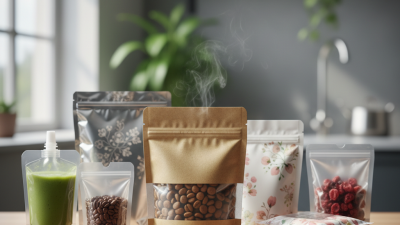
Top 10 Benefits of Pouch Packaging for Food and Beverage Products
In today's rapidly evolving food and beverage industry, packaging plays a crucial role in product appeal, preservation, and convenience. Among the various packaging solutions available, pouch packaging has emerged as a versatile and efficient choice for many brands. Offering a combination of functionality and aesthetic appeal, pouch packaging is not just about enclosing a product; it enhances the overall consumer experience while meeting logistical and environmental demands.
The advantages of pouch packaging extend beyond mere containment. It provides an innovative way to ensure freshness, reduce waste, and optimize shelf life, all of which are critical factors in food safety and quality. Moreover, pouch packaging is lightweight and space-efficient, making it an ideal option for both manufacturers and consumers. As sustainability continues to gain priority, many companies are turning to pouch packaging solutions that use recyclable materials, reflecting a commitment to environmental stewardship while catering to eco-conscious consumers.
This article will delve into the top ten benefits of pouch packaging for food and beverage products, highlighting how this modern packaging solution caters to the needs of both producers and customers. Whether it's enhancing product visibility on shelves or enabling easy storage and transportation, understanding the advantages of pouch packaging can provide valuable insights for stakeholders across the food and beverage sector.
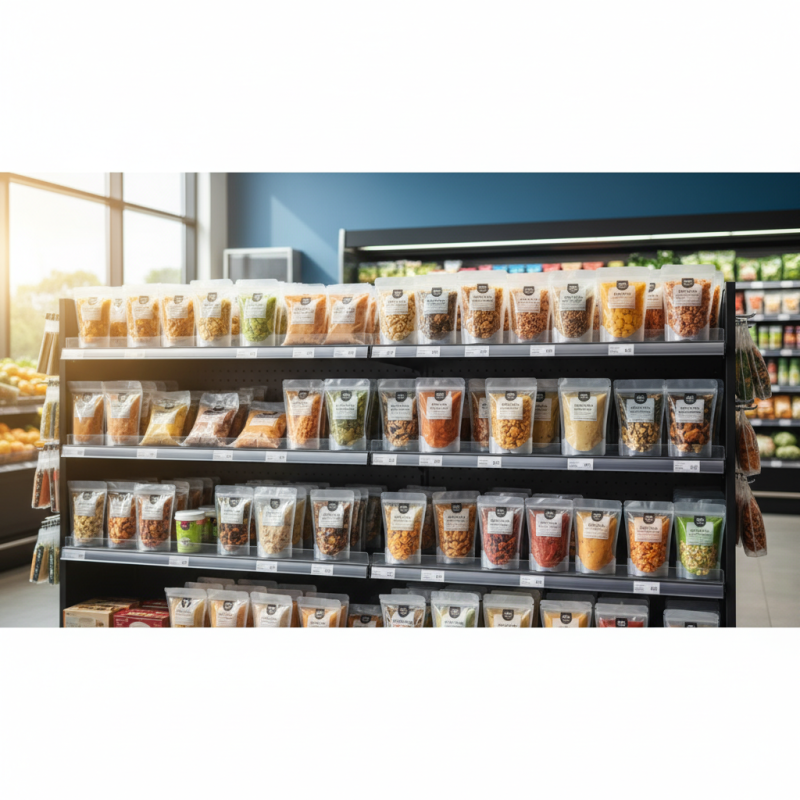
Benefits of Pouch Packaging: An Overview of Industry Trends
In recent years, pouch packaging has emerged as a leading choice for food and beverage products, driven by industry trends that prioritize convenience and sustainability. This innovative packaging solution not only offers straightforward usability for consumers but also enhances product freshness through its airtight seals. As consumer lifestyles become increasingly fast-paced, the demand for ready-to-eat and on-the-go options has surged, making pouches an ideal fit for modern distribution strategies. The lightweight nature of this packaging type results in lower transportation costs and reduced environmental impact, aligning with the growing consumer preference for eco-friendly products.
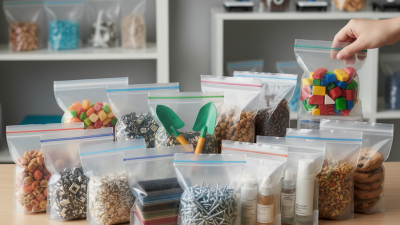
Additionally, the versatility of pouch packaging allows it to cater to a wide array of food and beverage items, from snacks and sauces to beverages and frozen foods. The ability to customize sizes, shapes, and designs enables brands to effectively engage with their target audiences while standing out on the shelf. Furthermore, advancements in printing technology have facilitated high-quality graphics on pouches, which enhance brand storytelling and attract consumers. As the food and beverage sector continues to evolve, the trend toward pouch packaging is set to grow, offering innovative solutions that address both practical needs and environmental concerns.
Cost-Effectiveness of Pouch Packaging in Food and Beverage Sectors
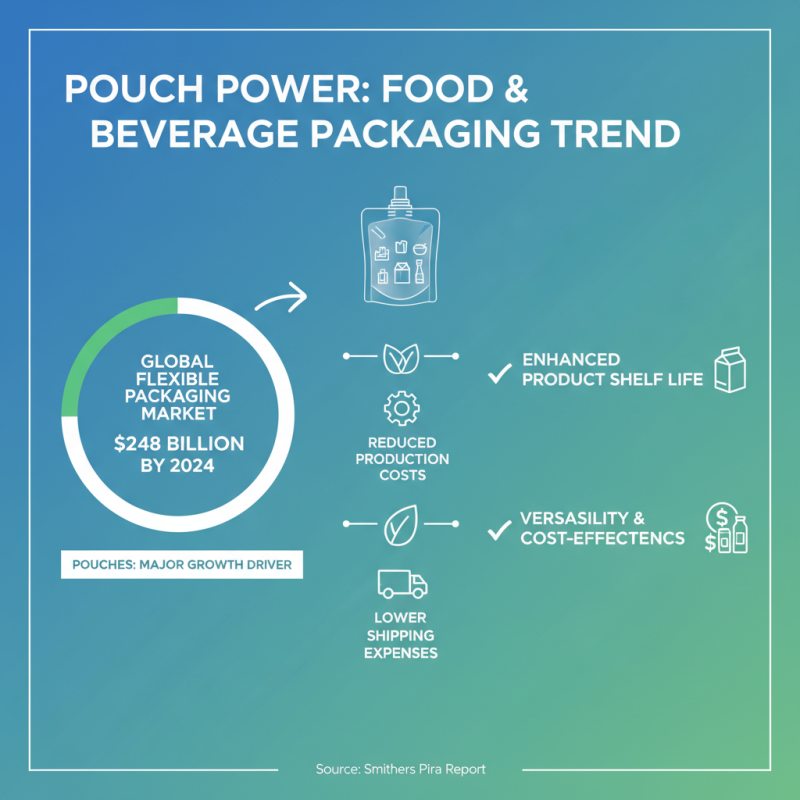
Pouch packaging has gained popularity in the food and beverage sectors due to its cost-effectiveness and versatility. According to a report by Smithers Pira, the global flexible packaging market is expected to reach $248 billion by 2024, with pouches accounting for a significant portion of that growth. This trend is largely driven by manufacturers looking to reduce production costs while enhancing product shelf life. Pouches typically require less material than traditional rigid packaging, leading to lower material costs and reduced shipping expenses due to their lightweight nature.
Another advantage of pouch packaging is its ability to extend the shelf life of food and beverage products, which can lead to decreased waste and increased profitability. The Food and Beverage Packaging Technology report found that products packaged in pouches experience a 15-30% longer shelf life compared to those in conventional packaging. By minimizing spoilage, companies can optimize inventory management and reduce losses associated with outdated stock. Furthermore, the flexibility of pouches allows for more efficient filling and sealing processes, translating into lower labor costs. These factors combined make pouch packaging an attractive option for food and beverage manufacturers aiming to improve their bottom line while meeting consumer demand for convenience and sustainability.
Sustainability Advantages of Pouch Packaging Compared to Traditional Methods
Pouch packaging has gained significant attention in the food and beverage industry, particularly due to its sustainability advantages over traditional packaging methods. One of the most notable benefits is the reduction in material usage. Pouches require less plastic than rigid containers, which not only conserves resources but also minimizes waste generated during production and at the end of a product's life cycle. This lightweight design helps decrease transportation emissions, further enhancing the environmental profile of pouch packaging.
Additionally, many pouch materials are recyclable or made from renewable sources, making them more environmentally friendly choices. Advances in technology have led to the development of bio-based pouches that maintain product integrity while being less harmful to the environment. This shift towards sustainable packaging solutions reflects a growing consumer demand for environmentally responsible products, encouraging companies to adopt pouch packaging as part of their commitment to sustainability. By minimizing their carbon footprint and embracing eco-friendly materials, brands can contribute positively to the planet while meeting consumer preferences.
Top 10 Benefits of Pouch Packaging for Food and Beverage Products - Sustainability Advantages of Pouch Packaging Compared to Traditional Methods
| Benefit |
Description |
Sustainability Impact |
| Reduced Material Usage |
Pouch packaging uses less material compared to rigid packaging. |
Lowers waste in production and disposal. |
| Lightweight |
Pouch packaging is significantly lighter than glass or plastic containers. |
Reduces fuel consumption during transportation. |
| Recyclability |
Many pouches are made from recyclable materials. |
Promotes a circular economy with reduced landfill waste. |
| Longer Shelf Life |
Pouches can be designed to prevent oxygen and moisture ingress. |
Reduces food spoilage and waste. |
| Customization |
Pouches can easily be customized for branding and functionality. |
Enhances consumer appeal and promotes eco-friendly branding. |
| Minimalist Design |
Pouch design often utilizes graphics that require less ink. |
Reduces chemical use and supports sustainable printing processes. |
| Ease of Use |
Pouches can feature resealable closures for convenience. |
Promotes product reuse and less waste generation. |
| Cost Effectiveness |
Lower production and shipping costs lead to savings. |
Supports sustainable business models. |
| Reduced Carbon Footprint |
Lighter weight and more efficient use of materials lead to less emissions. |
Contributes to climate action and sustainability goals. |
| Improved Supply Chain Efficiency |
Pouch shape and flexibility optimize storage and transport. |
Decreases overall resource use and waste in logistics. |
Enhanced Shelf Life: The Impact of Barrier Properties in Pouch Packaging
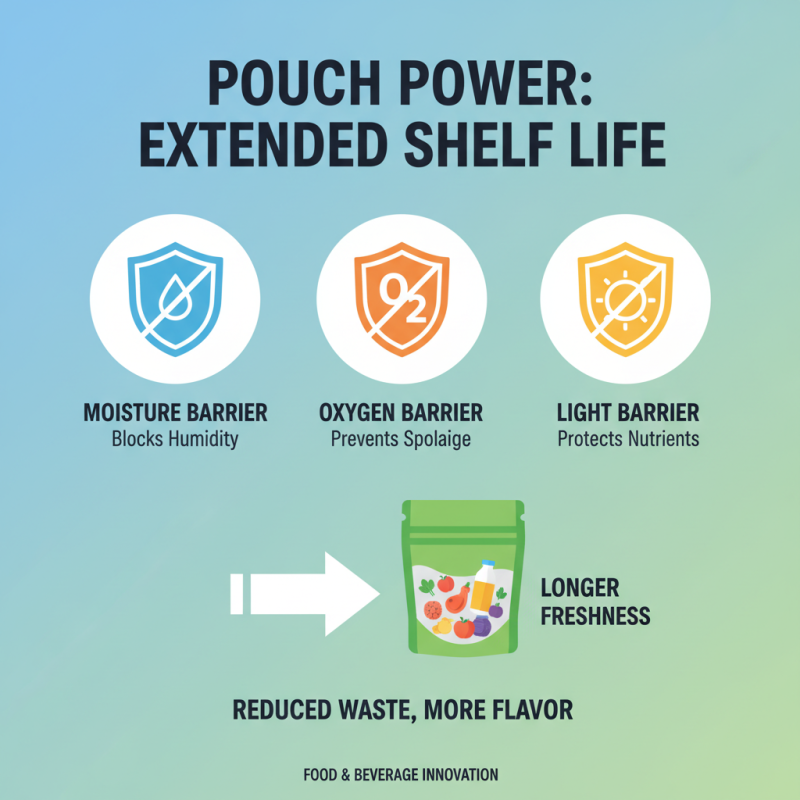
Pouch packaging has revolutionized the food and beverage industry, primarily by enhancing the shelf life of products through its superior barrier properties. Unlike traditional packaging materials, pouches can effectively block moisture, oxygen, and light, all of which are critical in preserving freshness and flavor. This airtight protection allows food and drinks to maintain their quality for extended periods, reducing spoilage and waste. Consumers benefit from this feature as they can store products longer without compromising taste or safety.
Tips for maximizing the benefits of pouch packaging include selecting the appropriate material based on the product's needs. For instance, multi-layer pouches can provide enhanced barrier properties that are ideal for items sensitive to oxidation. Additionally, ensuring that the pouches are resealable can help consumers maintain freshness after opening, as they can easily access the contents while minimizing exposure to air.
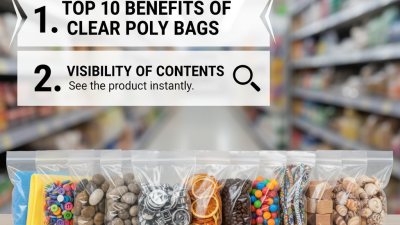
Moreover, utilizing transparent windows in pouch designs can attract consumers by showcasing vibrant colors and textures without sacrificing the integrity of the packaging. When choosing pouch packaging, brands should also consider the environmental impact and explore options that utilize recyclable materials, appealing to environmentally-conscious consumers while still benefiting from the protective features that extend product shelf life.
Consumer Convenience: How Pouch Design Influences Buying Decisions
The design of pouch packaging plays a significant role in influencing consumer buying decisions, primarily due to its practicality and visual appeal. Modern consumers often seek convenience, and pouch packaging serves that need effectively.
The resealable feature found in many pouches allows for easy access and storage, making it an attractive option for busy individuals or families. This capability enhances the user experience, enabling customers to consume only what they need while keeping the rest fresh for later use. Such convenience can serve as a decisive factor when consumers are faced with multiple product options on the shelf.
Moreover, the design elements of pouch packaging, such as vibrant colors, unique shapes, and clear labeling, capture consumer attention more than traditional rigid containers. Eye-catching graphics and informative designs help convey essential product details quickly, impacting the product's perceived value and quality.
The ability to see the product through transparent sections of the pouch also builds trust, as consumers appreciate being able to evaluate the item visually before purchase. This synergy of functionality and visual appeal fosters a connection between the consumer and the product, often leading to increased sales and customer loyalty.