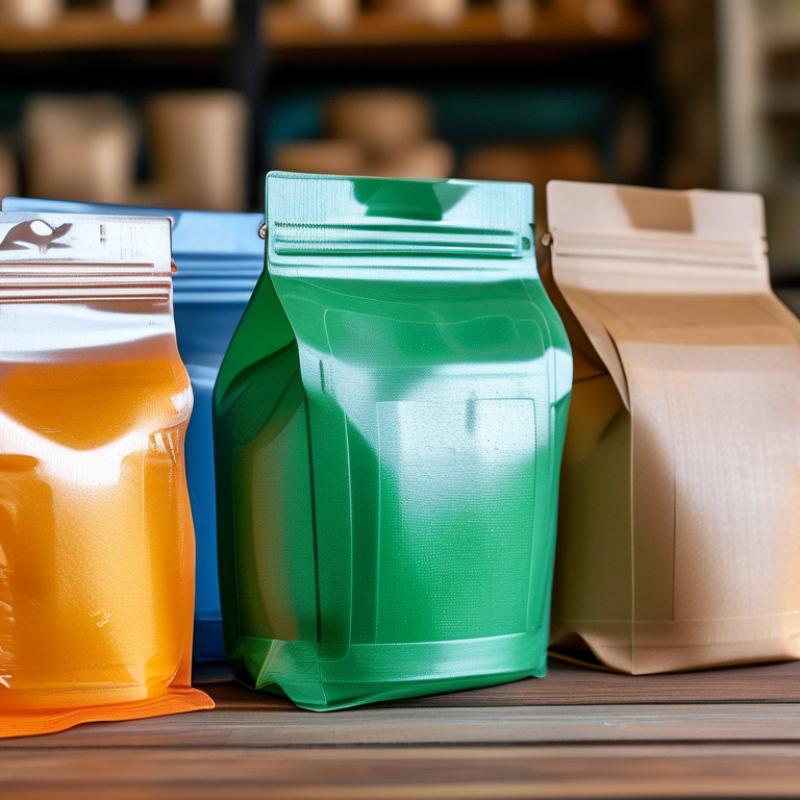
In recent years, polybag packaging has gained significant attention in the retail and e-commerce sectors. The shift towards sustainable practices has driven innovation in this arena. By 2026, we expect to see notable trends that shape how global buyers approach polybag packaging.
The demand for eco-friendly materials is increasing rapidly. Many companies aim to reduce their carbon footprint. This has led to the introduction of biodegradable and recyclable polybags. However, while these materials are promising, challenges remain in widespread adoption. Not all manufacturers are equipped to provide them, creating a gap in the market.
Moreover, the beauty of polybag packaging lies in its versatility. It can accommodate a range of products, from clothing to electronics. Yet, with this versatility comes the need for customization. Buyers are increasingly looking for unique designs to stand out. Balancing aesthetic appeal with practicality is crucial and often an area that needs more exploration. As the future unfolds, the success of polybag packaging will hinge on innovation, sustainability, and creativity.
The future of polybag packaging in 2026 is set to witness significant innovations. With the growing demand for sustainability, eco-friendly materials are gaining traction. According to a recent report by Smithers Pira, the global sustainable packaging market is expected to reach $500 billion by 2026. This shift towards biodegradable and recyclable materials is critical.
Another innovation on the horizon is smart packaging technology. Advanced sensors can monitor freshness and track products through the supply chain. This smart technology enhances consumer trust and reduces food waste. A study from Technavio predicts a 20% increase in smart packaging adoption by 2026. There is also a growing interest in customizable packaging solutions. Brands want to create unique unboxing experiences, which can increase customer engagement.
**Tip:** Consider using mixed materials that offer both durability and sustainability. Evaluate the functionalities of your packaging to better meet consumer needs.
The trend towards minimalism is also emerging. Simple designs with clear messaging can reduce printing costs and save time. However, striking the right balance remains a challenge. The focus should be on functionality, aesthetics, and eco-credentials.
**Tip:** Test your packaging with a focus group. Seek feedback to refine your designs and improve clarity before mass production.
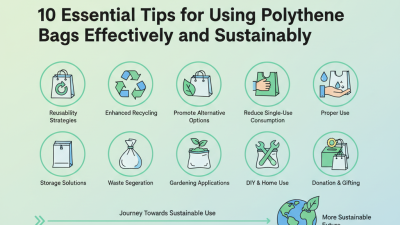
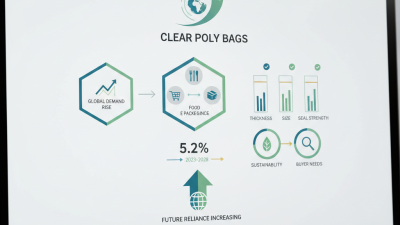
This chart illustrates the projected growth of various polybag packaging trends for the year 2026. The data represents the increasing demand for sustainable materials, innovations in design, and advancements in technology in the packaging industry.
The packaging industry is witnessing a notable shift towards sustainable materials, particularly in polybag production. This evolution is driven by growing consumer awareness and environmental concerns. Innovative materials such as compostable films and recycled plastics are emerging, offering robust alternatives to traditional polybags. These advancements cater to the needs of eco-conscious brands looking to reduce their carbon footprint.
However, navigating these new materials can be challenging. Not every option performs equally in various conditions. It’s crucial to assess leakage, durability, and biodegradability. Some sustainable materials may not hold food products securely or protect items as intended. Always conduct thorough testing before shifting towards eco-friendly alternatives.
Tips: When choosing new packaging, consult with experts in sustainable materials. Understand your product’s specific needs and the applications of different packaging options. Monitor consumer responses; they can offer valuable feedback on packaging performance. Stay ahead by regularly reviewing the latest innovations in sustainable packaging. This area evolves rapidly, and what works today may not suffice tomorrow.
| Trend | Description | Material Used | Sustainability Rating |
|---|---|---|---|
| Biodegradable Options | Increasing demand for polybags that decompose naturally to reduce environmental impact. | PLA (Polylactic Acid), Starch-based materials | A+ |
| Recycled Content | Use of recycled materials in polybag production to reduce waste and resource consumption. | Recycled Polyethylene (rPE) | A |
| Water-Soluble Bags | Bags that dissolve in water, minimizing waste and pollution. | PVA (Polyvinyl Alcohol) | A+ |
| Compostable Polybags | Polybags that break down in composting environments, returning nutrients to the soil. | PBAT (Polybutylene Adipate Terephthalate), Corn starch | A |
| Innovative Printing Technologies | Use of eco-friendly inks and printing methods to enhance design without harming the environment. | Vegetable-based inks | B+ |
| Smart Packaging Technologies | Integration of QR codes and RFID tags for tracking and enhancing user engagement. | Traditional materials reinforced with smart technology | B |
The polybag packaging industry is evolving rapidly. Design trends are crucial for enhancing aesthetics and functionality. Today, buyers seek more than mere utility. They desire innovative designs that stand out on shelves. Bright colors, bold graphics, and unique shapes catch attention. These elements often lead to increased consumer engagement. Functional features like resealable closures and tamper-proof seals enhance usability.
Sustainability is another key focus. Many consumers prefer eco-friendly materials. Bio-based plastics and recyclable options appeal to eco-conscious shoppers. Yet, balancing these materials with durability remains a challenge. Brands must reflect on their choices to ensure longevity.
Transparency in packaging also resonates with customers. Clear sections within polybags allow consumers to see products without opening them. This can increase trust and reduce waste. However, balancing transparency with product protection is a delicate act. Effective designs need to address both appearance and functionality adequately. Trends in polybag packaging show that aesthetic appeal does not have to compromise performance.
Technological advancements are reshaping polybag production, making it more efficient. In 2022, the global polybag market reached approximately $19.5 billion. Innovations in machinery and materials are driving this growth. Companies are investing in high-speed production lines that reduce waste and increase output.
Moreover, automation is gaining traction. Automated systems can enhance precision and reduce labor costs. Reports indicate that companies using automation can improve production rates by up to 30%. However, the transition can be challenging. Many businesses need to upgrade their workforce skills to operate new technologies effectively.
Sustainability is also a focus. The demand for recyclable materials is growing. A study found that 70% of consumers prefer eco-friendly packaging options. However, meeting these demands remains a struggle for many manufacturers. They face difficulty in balancing cost-efficiency and sustainability. The road ahead for polybag production is filled with potential, yet it is not without hurdles.
The landscape of polybag packaging is evolving rapidly, driven by changing consumer preferences and sustainability concerns. A recent report from Smithers reveals that the global demand for flexible packaging, including polybags, is projected to reach $283 billion by 2026. This growth reflects a shift towards materials that can provide better barrier properties and are easier to recycle.
Consumers are increasingly looking for eco-friendly packaging options. In a survey by Packaging Insights, 7 out of 10 consumers stated they prefer sustainable packaging. As a result, manufacturers must adapt. Transitioning to biodegradable or recyclable materials is no longer optional; it is a necessity. Many players in the market might find this shift challenging. Not all suppliers have yet invested in sustainable technology, and this gap can hinder operational efficiency.
Additionally, the online shopping boom is reshaping polybag packaging strategies. Research indicates that e-commerce packaging solutions are expected to see a CAGR of 14% through 2026. Brands must consider how they package products for shipping while reducing waste. Balancing protection and sustainability remains a complex task. Frequent feedback from customers on packaging effectiveness is crucial. This feedback loop can help companies refine their strategies. Embracing these demands while addressing potential shortcomings will be key for future success in polybag packaging.
Interested in working with our team? Reach out to our team for a no-strings-attached consultation.
1 (833) PPC-FLEX
1111 Busch Pkwy
Buffalo Grove, IL 60089, USA