10 Best Packaging Bags for Shipping in 2026
Shipping has become a daily test of packaging performance. Pitney Bowes’ Parcel Shipping Index has tracked more than 160 billion parcels worldwide in recent editions. Each parcel may face sorting belts, vehicle vibration, rain, compression, and repeated handling. Packaging bags must survive that journey without adding unnecessary weight or material.
The U.S. Census Bureau reported that e-commerce represented 16.1% of total U.S. retail sales in 2024. That figure shows why packaging choices matter beyond appearance. A well-selected bag can protect clothing, books, small electronics, and other lightweight products while reducing dimensional shipping costs. Flexible Packaging Association research also identifies flexible formats as important for material efficiency, especially when they replace heavier rigid containers. Still, “less material” does not automatically mean better performance.
This guide examines 10 best packaging bags for shipping in 2026. It compares durability, closure systems, water resistance, recyclability, customization, storage, and total shipping value. Some bags excel with soft goods. Others need inner protection or careful sealing. There is no universal winner. That is worth remembering.
The evaluation follows practical shipping experience and industry guidance from organizations such as ASTM International, the International Safe Transit Association, and the Sustainable Packaging Coalition. Test standards can reveal weaknesses, but real orders remain unpredictable. A bag that passes a laboratory test may still fail when overfilled or poorly sealed. The recommendations therefore balance published data with realistic handling conditions, product protection, and responsible material use. Availability and recycling infrastructure may also change by region. Readers should verify current specifications before making a purchasing decision.
What Makes a Packaging Bag Suitable for Shipping in 2026
A shipping bag must protect its contents through sorting belts, truck rides, and doorstep handling. Start with the item’s weight, shape, and surface. A soft mailer may suit a folded shirt, while a rigid or padded bag better protects a small object with sharp edges. Fit matters. Extra space lets items shift; an overly tight bag can strain seams. Check the closure, too. A strong adhesive strip should seal cleanly across the opening, even when the package is slightly full.
Material choice affects both durability and the unpacking experience. Water-resistant layers help guard against rain and damp loading areas, but they do not make a bag waterproof. For fragile goods, cushioning and a snug fit work together; padding alone may not stop movement. Tear resistance is useful, yet thicker material can add weight and waste. There is no perfect choice. Test representative packages by filling, sealing, and gently handling them before shipping at scale. A quick test helps. Clear address areas and readable labels also reduce handling confusion. Recycled or recyclable materials can be valuable, but claims should be checked against local collection options. That part is easy to overlook. A practical bag balances protection, fit, weight, and disposal without promising more than it can deliver.
Key Types of Shipping Bags and Their Uses
Key Types of Shipping Bags and Their Uses
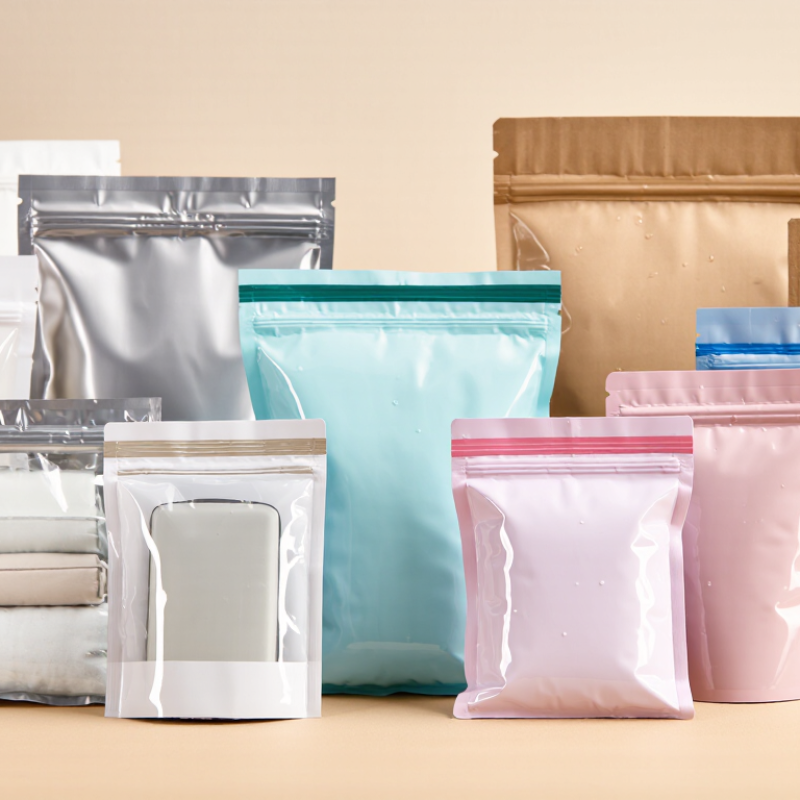
Shipping bags suit different products, and the right choice depends on weight, moisture, and protection needs. Poly mailers are lightweight and water-resistant, making them useful for clothing and other soft goods. Paper mailers offer a recyclable-looking, crisp presentation, but they can tear when wet. Padded mailers add cushioning for small, breakable items; they are not a substitute for a sturdy box when an item is fragile. Reusable bags can work for return programs, though their extra cost and reverse-shipping logistics may not fit every seller.
Material choices matter.
The U.S. Environmental Protection Agency’s 2018 Advancing Sustainable Materials Management report estimated that containers and packaging made up 28.1% of municipal solid waste generated in the United States. That figure covers many packaging formats, not shipping bags alone, so it should not be treated as a bag-specific recycling rate. Still, it highlights why packaging weight and end-of-life options deserve attention.
Tips: Match the bag to the item, not just its price. Press a padded mailer’s corners; if they flatten too easily, choose more protection. Check local recycling guidance before labeling a mailer recyclable, since mixed layers can complicate sorting. A small snag: lighter packaging can reduce shipping weight, but too little protection may lead to damaged goods and repeat shipments.
10 Best Packaging Bags for Shipping in 2026
Choosing the right packaging bag can reduce damage, control postage costs, and make packing easier. In 2026, the best option depends on the item, its weight, and the trip it must survive. A soft mailer works for folded clothing; a padded bag offers extra cushioning for small, fragile goods. For books or flat products, a rigid mailer helps prevent bent corners. No bag suits every shipment.
Consider these ten useful types: polyethylene mailers, recycled-content mailers, paper mailers, padded mailers, rigid mailers, gusseted bags, garment bags, tamper-evident bags, waterproof bags, and reusable shipping bags. Check the seams and closure before use. A quick tug can reveal a weak seal. Match the bag to the contents, leaving enough room for protective padding without making the package bulky. Measure a packed sample, not just the product.
Materials and claims deserve a closer look. “Recyclable” can depend on local collection systems, so verify disposal guidance where customers live. Reusable bags may help when return shipping is practical, but they are not automatically the greener choice. I’ve seen teams choose a thin mailer to save weight, then spend more replacing crushed items. That trade-off is easy to miss. Test a few packed orders with realistic handling before settling on a standard.
How to Compare Shipping Bags by Protection, Cost, and Sustainability
Choosing the best shipping bag in 2026 requires more than comparing prices. Protection comes first. A bag should resist tearing, punctures, moisture, and rough conveyor handling. I test samples with a filled box corner, a 1.5-meter drop, and a hand-pull seam check. Small failures matter. A weak adhesive strip can expose clothing to rain before delivery.
Cost comparisons should include more than the price per bag. Measure material weight, sealing time, storage space, and damage-related replacements. A lightweight mailer may lower shipping weight, yet it can need extra wrapping for sharp or heavy products. Thicker bags cost more, but they may reduce returns. Calculate cost per successful delivery, not cost per package. That figure is more useful.
Sustainability needs careful evidence. Recycled plastic content can reduce demand for new material, but local recycling systems may not accept every flexible film. Paper bags can offer easier sorting, although they may perform poorly in wet conditions without added layers. Compostable materials also require suitable facilities and clear disposal instructions. Labels can mislead. My own first comparison focused too heavily on recycled content and ignored transport efficiency. A better review checks verified material claims, packaging weight, durability, and actual end-of-life options. Look closely. Waist-high storage racks, clean tear lines, and consistent seals also improve daily packing accuracy.
10 Best Packaging Bags for Shipping in 2026
Comparing shipping bags by protection, cost, and sustainability
Scores use a 1–5 qualitative scale, with 5 representing a stronger result. They reflect general material characteristics: actual performance and cost depend on bag thickness, construction, product, shipping conditions, and local recycling access. Paper and mono-material bags may be recyclable where accepted; padded and compostable formats require checking local facilities and product specifications.
How to Choose the Right Bag for Your Shipment
Choosing a shipping bag starts with the item, not the price per bag. Measure the product at its widest points, then allow room for cushioning without leaving excess space. A padded mailer suits small, impact-resistant items; a durable poly mailer can work for soft goods. Fragile or rigid products usually need a box instead. The right fit matters. Pitney Bowes’ 2024 Parcel Shipping Index estimated 161 billion parcels were shipped worldwide in 2023, making package size and handling practical concerns for high-volume shippers.
Check the bag’s material, seams, closure, and weight rating. Pull gently at the seams and test the seal on a sample shipment; a label that wrinkles across a fold may scan poorly. For products exposed to rain or rough handling, consider water resistance and an outer layer that resists tearing. Avoid assuming thicker always means safer. It can add cost and material without protecting the item’s vulnerable edges. The U.S. Environmental Protection Agency reported that containers and packaging accounted for 82.2 million tons of municipal solid waste in 2018, or 28.1% of the total. That older figure is a reminder to size packaging carefully, not a reason to sacrifice protection.
Run a small trial with the actual product, packing method, and shipping route. Record damage, postage, and how easily staff can pack each order. A bag may look suitable on a desk, yet split when filled or become awkward to seal in a busy packing area. Results can be imperfect; revise the choice after real shipments.